Chapter 4 of 5

A backup sense

Winter energy limits and a failed preflight sensor

Told in Ingenuity’s imagined voice · the events are real · source
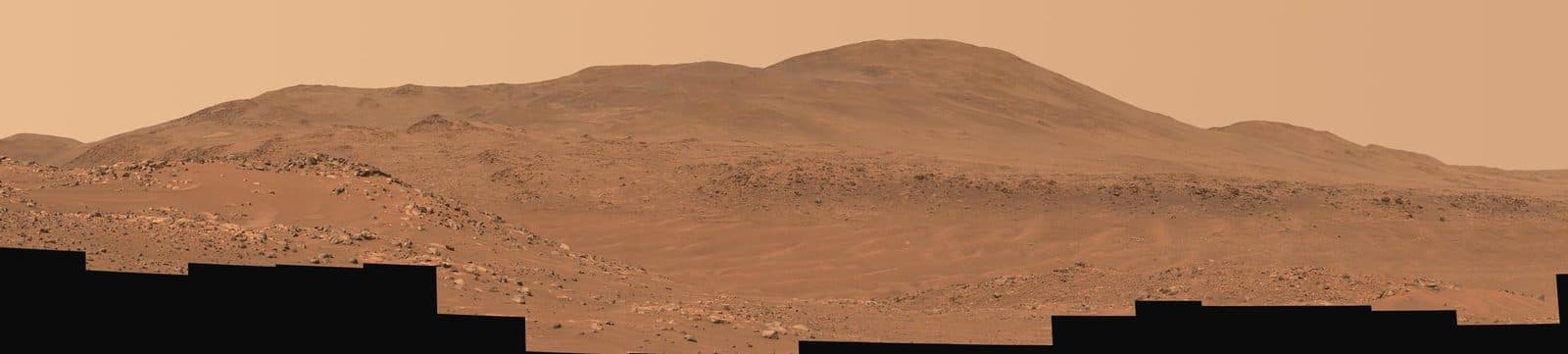
This natural-color mosaic showing NASA's Ingenuity Mars Helicopter at "Valinor Hills" was acquired by the agency's Perseverance Mars rover on Feb.
IngenuityMars’s winter changed how the team had to operate me.
NASA/JPL-Caltech
01Dust, shorter days and lower temperatures reduced the energy available to keep my electronics warm overnight. Night-time shutdowns and resets introduced risks to my components.
A sensor that checked my starting tilt stopped working.
02The inclinometer measured gravity before takeoff so the navigation algorithms could start with an orientation estimate. It was not the sensor used to guide me during flight.
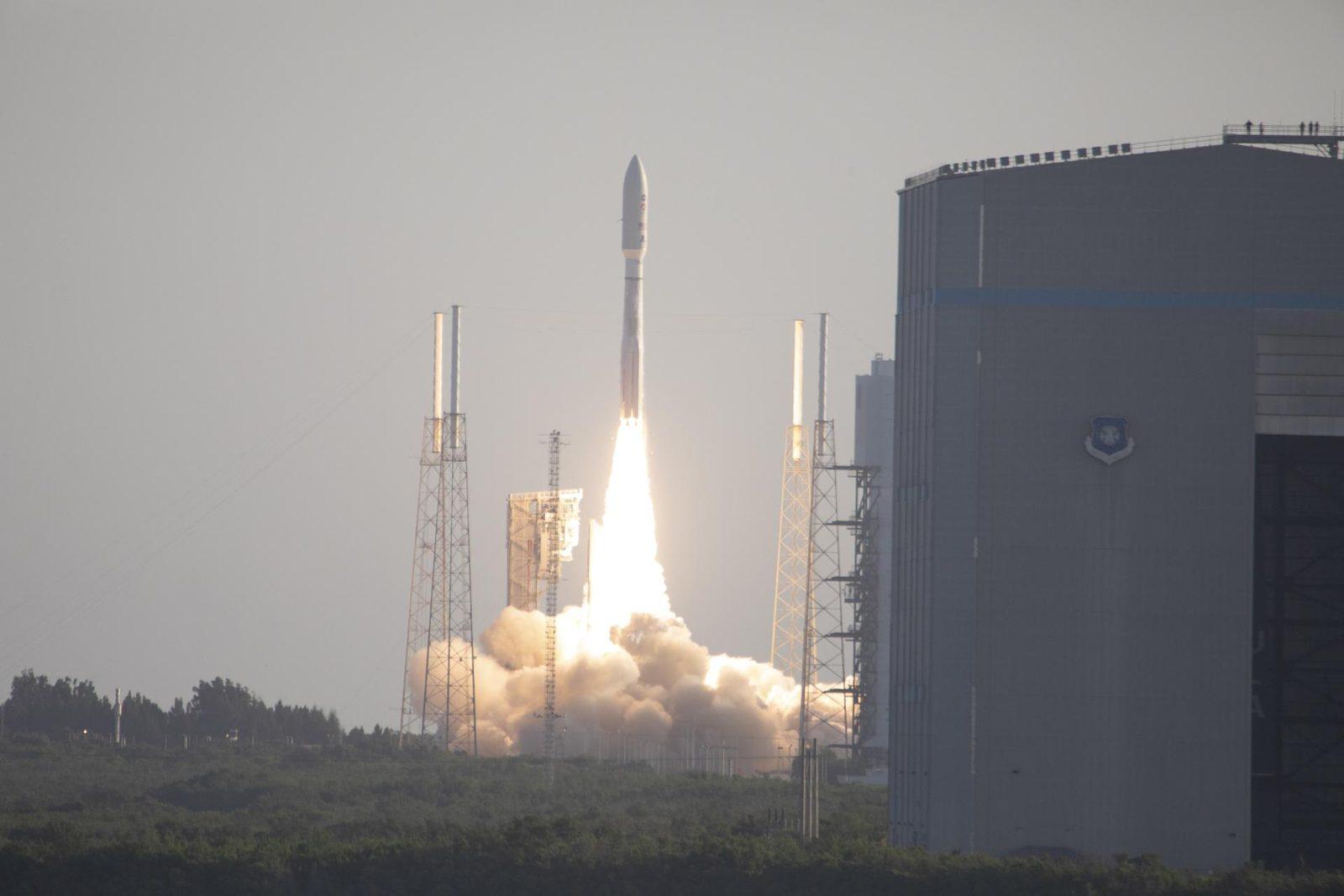
A view from the Atlas Space Operations Center of the launch of the United Launch Alliance Atlas V 541 rocket from Space Launch Complex 41 at Cape Canaveral Air Force Station in Florida on July 30, 2020.
IngenuityAnother sensor could help provide that missing estimate.
NASA/Frank Michaux
03The IMU also contained accelerometers. The team could use them to estimate initial orientation, although the estimate would generally be less accurate than the purpose-built inclinometer’s.
The backup was software, not a new part delivered to Mars.
04Engineers had prepared the fallback patch before my arrival. It was designed to supply replacement packets derived from IMU data. The failed sensor was not physically repaired; the patch offered another way to initialize navigation.

The big idea

Redundancy can come from reusing information a robot already has. A workaround still has limitations.

Think about it

How can software help when nobody can replace a broken component?

Fact file

Sensor report
6 June 2022
The report describes an update being uploaded; it is not a timestamp for a completed repair.
Source ↗

In this chapter: Solar power, heater, inclinometer, IMU accelerometers and flight software

Sources: Main record

Machine illustration: AI-made. Photos: NASA Image and Video Library, credited on each picture.

Chapter 4 of 5

Next