Chapter 5 of 5

When daylight disappeared

Opportunity’s final contact during the June 2018 dust storm

Told in Opportunity’s imagined voice · the events are real · source
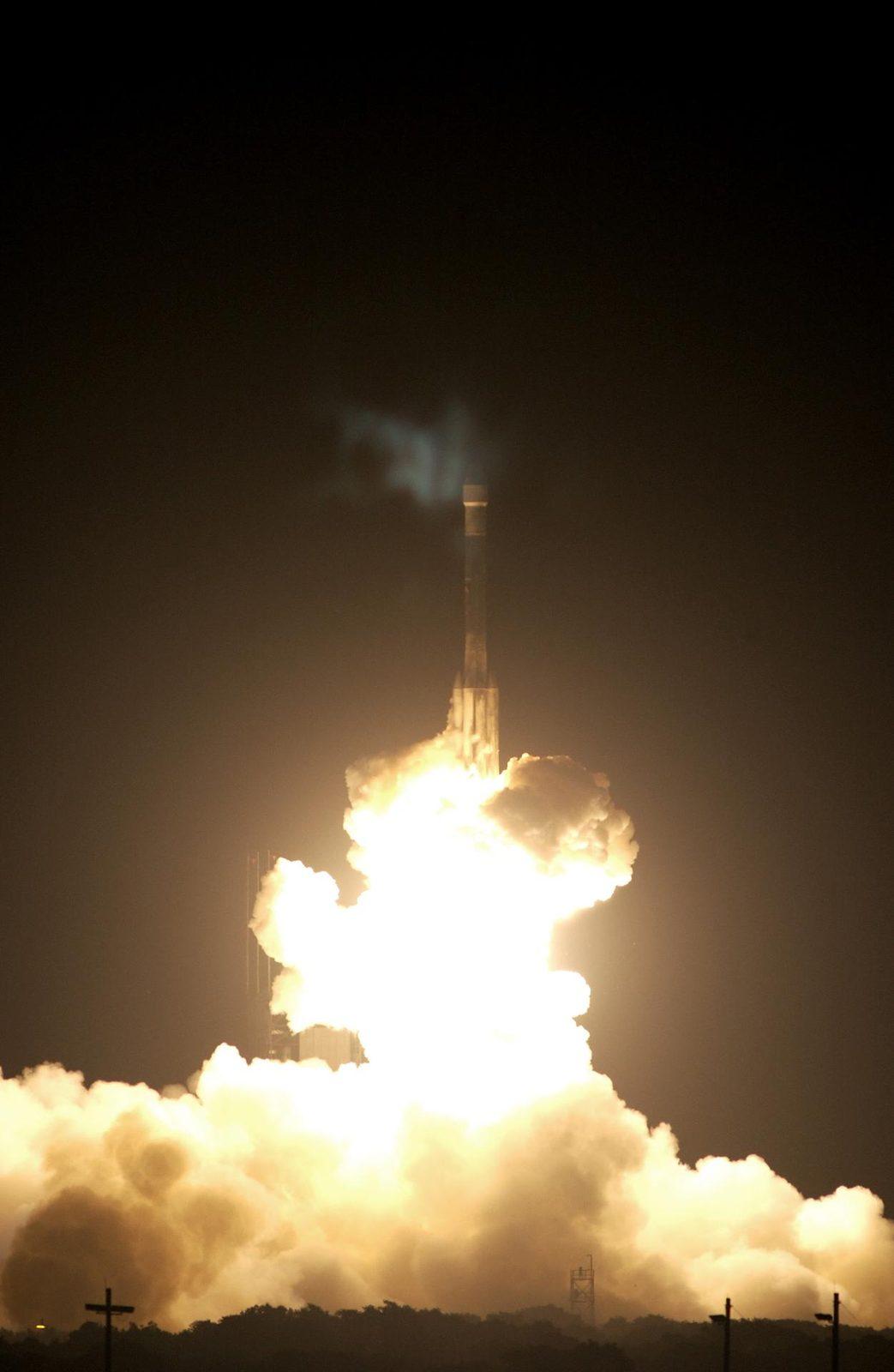
On Launch Complex 17-B, Cape Canaveral Air Force Station, the Delta II Heavy launch vehicle carrying the rover "Opportunity" for the second Mars Exploration Rover mission launches at 11:18:15 p.m.
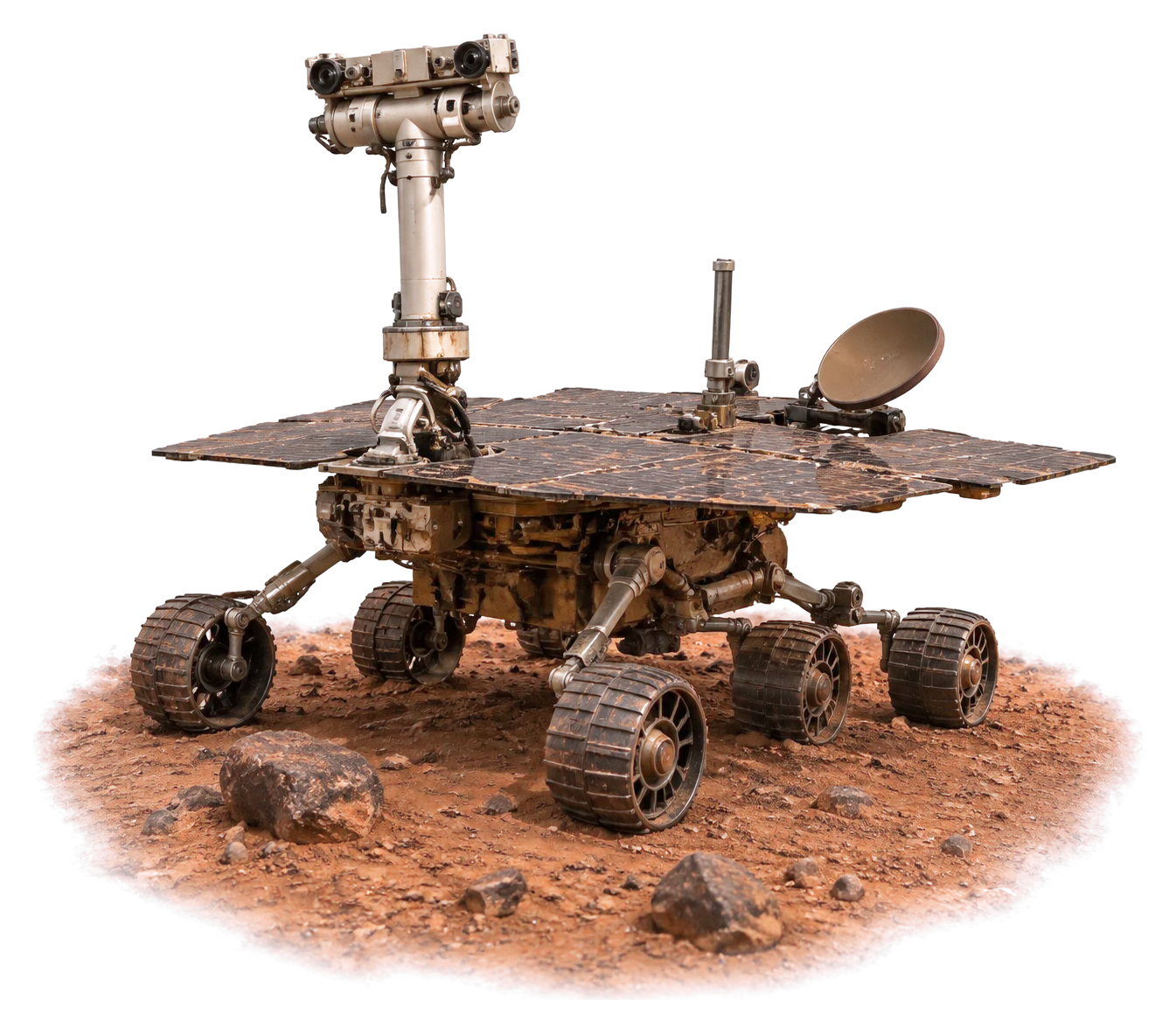
OpportunityMy solar panels needed the Sun. In June 2018, dust filled the space between us.
NASA/KSC
01A growing storm darkened the sky above Perseverance Valley. Pancam observations helped scientists estimate atmospheric optical depth, called tau. My last measured tau was about 10.8; a typical value for this location was around 0.5.
Earth heard from me on 10 June. Then the calls met silence.
02That was my final communication. Engineers expected a low-power fault as sunlight became scarce, but they could not directly read what happened inside the silent rover. The last images taken and the last incomplete image transmitted are different archive records.
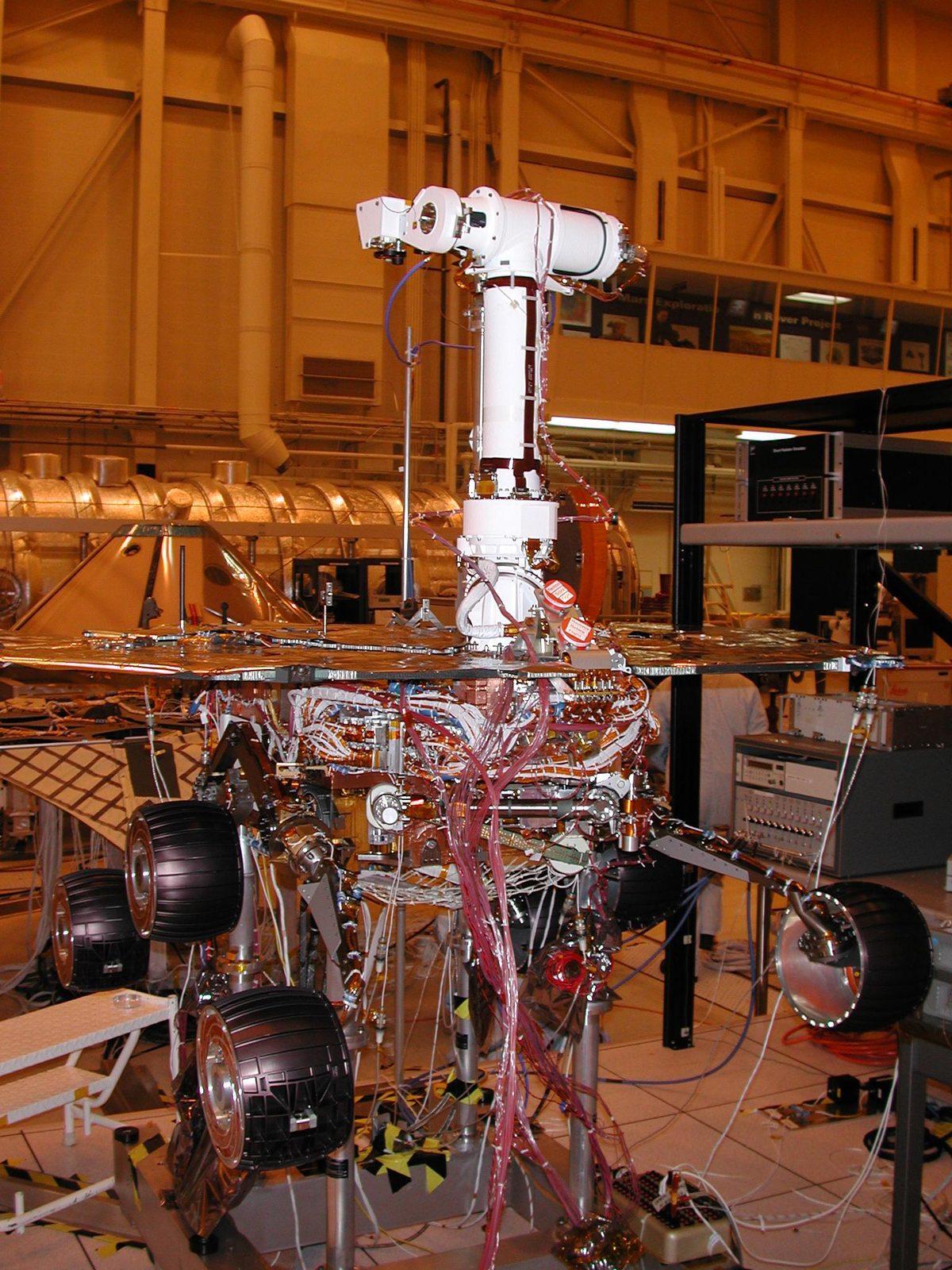
Engineers for NASA Mars Exploration Rover Mission are completing assembly and testing for the twin robotic geologists at JPL.
OpportunityMy team kept listening long after the first unanswered call.
NASA/JPL
03They sent more than a thousand recovery commands. The final attempt, on 12 February 2019, brought no reply. NASA announced the end of the mission the next day. The wheels stopped, but the photographs and measurements were already part of science on Earth.
Another rover would roll farther. It couldn’t erase the trail we had made.
04My final total was 45.16 kilometres. On 11 October 2026, Perseverance reached 45.22 kilometres and passed that off-world distance record. This later milestone belongs to the record on Earth—not a new signal or a witnessed salute from Opportunity.

The big idea

Power, weather and communication determine what a rover can do. Its scientific record can continue helping explorers after contact ends.

Think about it

What can scientists know from the last received data, and what must remain uncertain after a spacecraft goes silent?

Fact file

Final contact
10 June 2018
The last communication received from Opportunity. Later internal fault states were inferred by engineers, not directly observed in a continuing feed.
Source ↗
Last measured optical depth
Tau ≈10.8
JPL compares this with a typical local value near 0.5. Optical depth is not a percentage of all sunlight reaching the solar panels.
Source ↗
Recovery attempts
More than 1,000 commands
The final attempt was on 12 February; mission completion was announced on 13 February 2019.
Source ↗

In this chapter: Solar arrays, Pancam, batteries and Earth–Mars communications

Sources: Main record · JPL · The storm as it unfolded · NASA · Last images taken versus last image transmitted · JPL · The mission’s end · JPL · The verified October 2026 record handoff

Machine illustration: AI-made. Photos: NASA Image and Video Library, credited on each picture.

Chapter 5 of 5

Next book