Chapter 1 of 5
A leaning arrival
A disrupted orbiter link and an autonomous landing at Utopia
Told in Viking 2’s imagined voice · the events are real · source
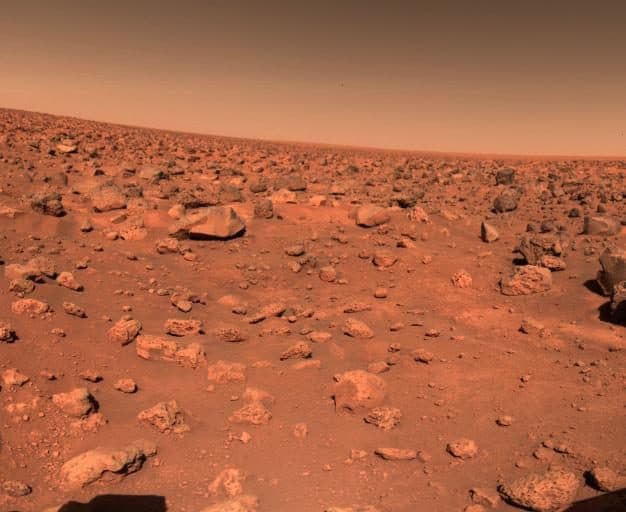
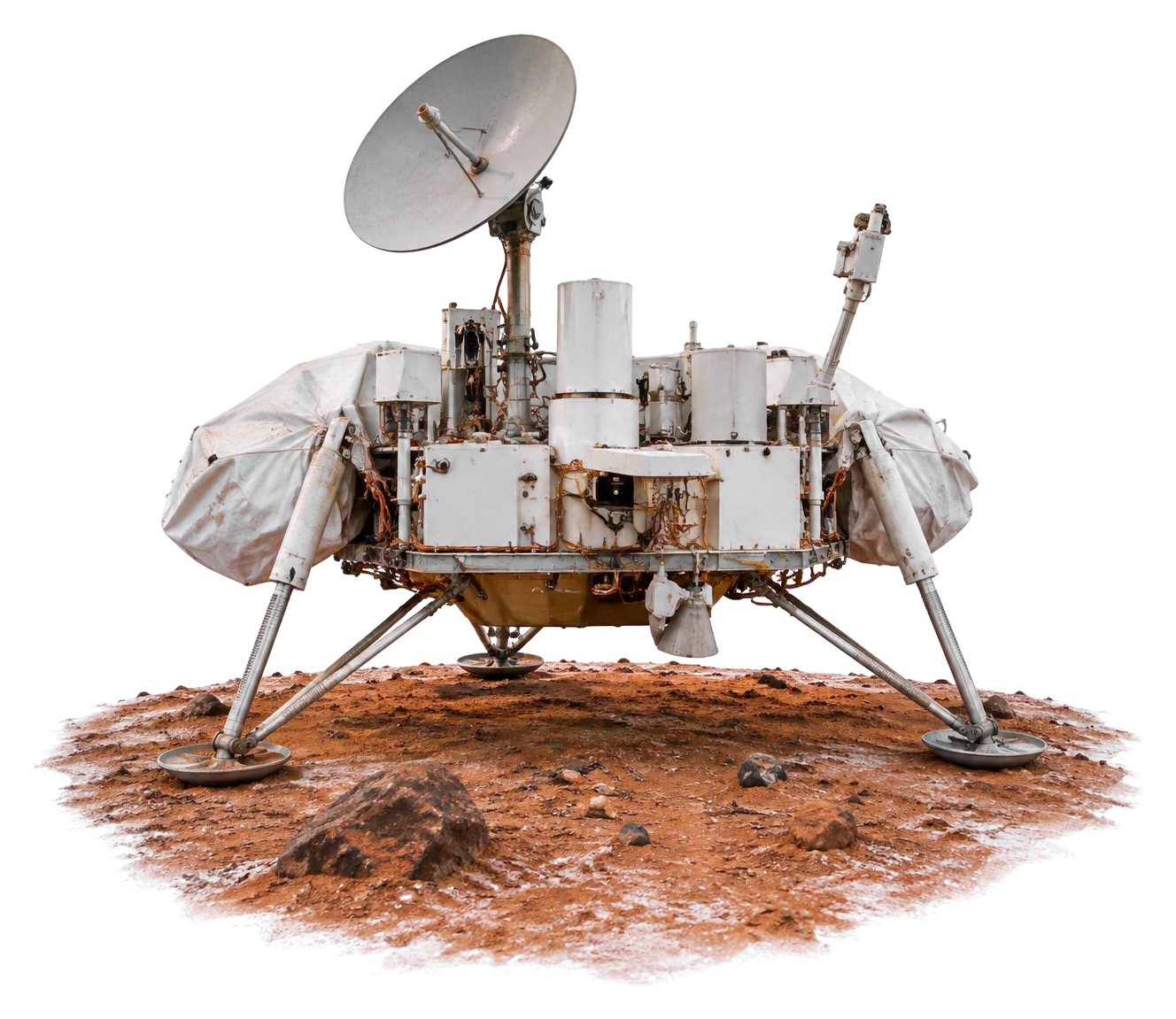
After separation, my orbiter lost its steady Earth-pointing link.
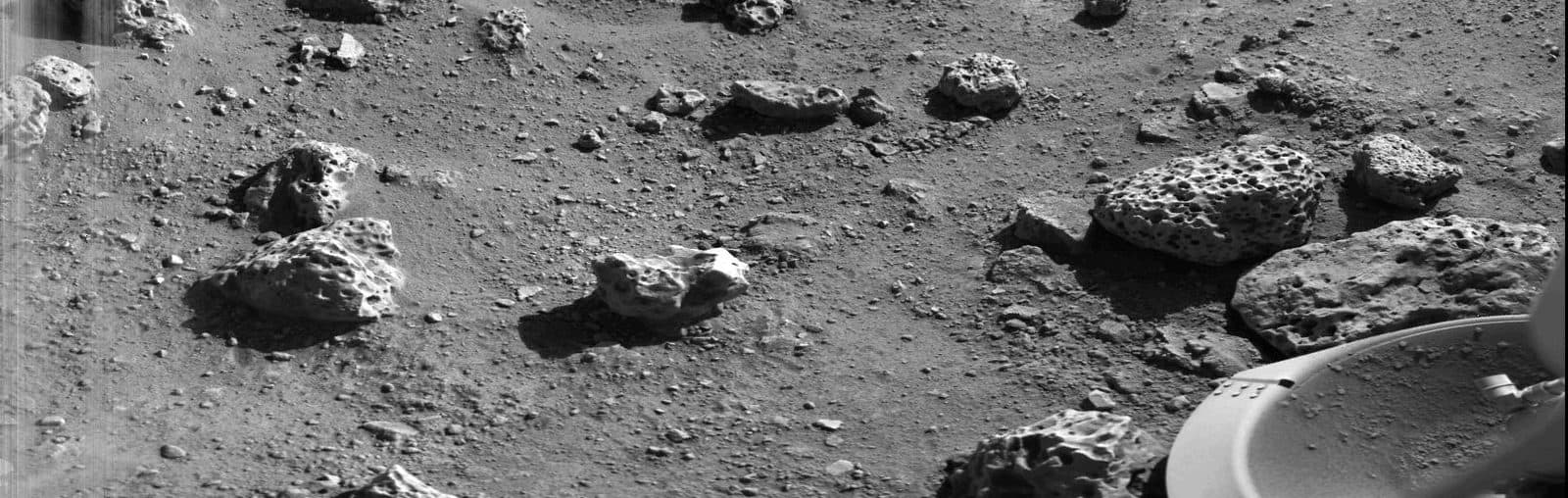
I reached the ground leaning, but ready to begin.
The big idea
Autonomous guidance and communications backups solve different problems. Losing a high-rate link does not necessarily mean losing every piece of engineering information.
Think about it
Why does a Mars lander need its own landing plan even when the radio works?
Fact file
- Landing
- 3 September 1976 / Utopia Planitia
- Published landing and separation times differ; spacecraft timing and receipt of the signal on Earth are distinct. See the evidence JSON.
- Source ↗
- Tilt
- NSSDCA: 8.2° / NASA Science: 8.5° west
- One leg settled on a rock. The exact footpad number and rock dimensions from the draft are not adopted.
- Source ↗
In this chapter: Orbiter attitude sensors, backup inertial reference, antennas and the lander’s autonomous descent system
Sources: Main record · Viking 2 Lander · NSSDCA · Viking 2 · NASA Science · Viking 2 Orbiter · NSSDCA
Machine illustration: AI-made. Photos: NASA Image and Video Library, credited on each picture.