Chapter 3 of 5

Ears that heard the wind

A working seismometer, environmental noise and an ambiguous event

Told in Viking 2’s imagined voice · the events are real · source
KENNEDY SPACE CENTER, FLA.
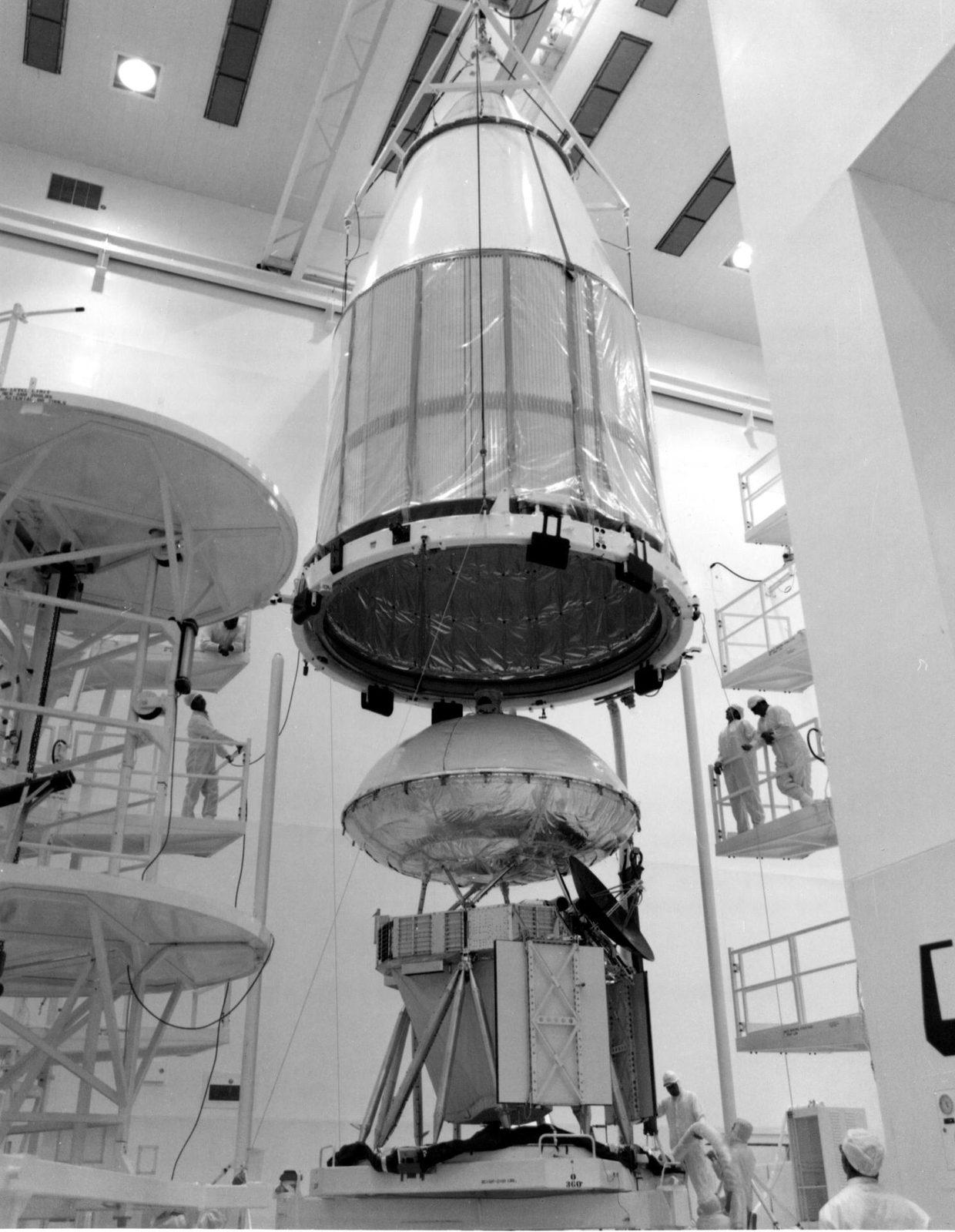
Viking 2My seismic instrument unlocked. My twin’s had stayed closed.
NASA
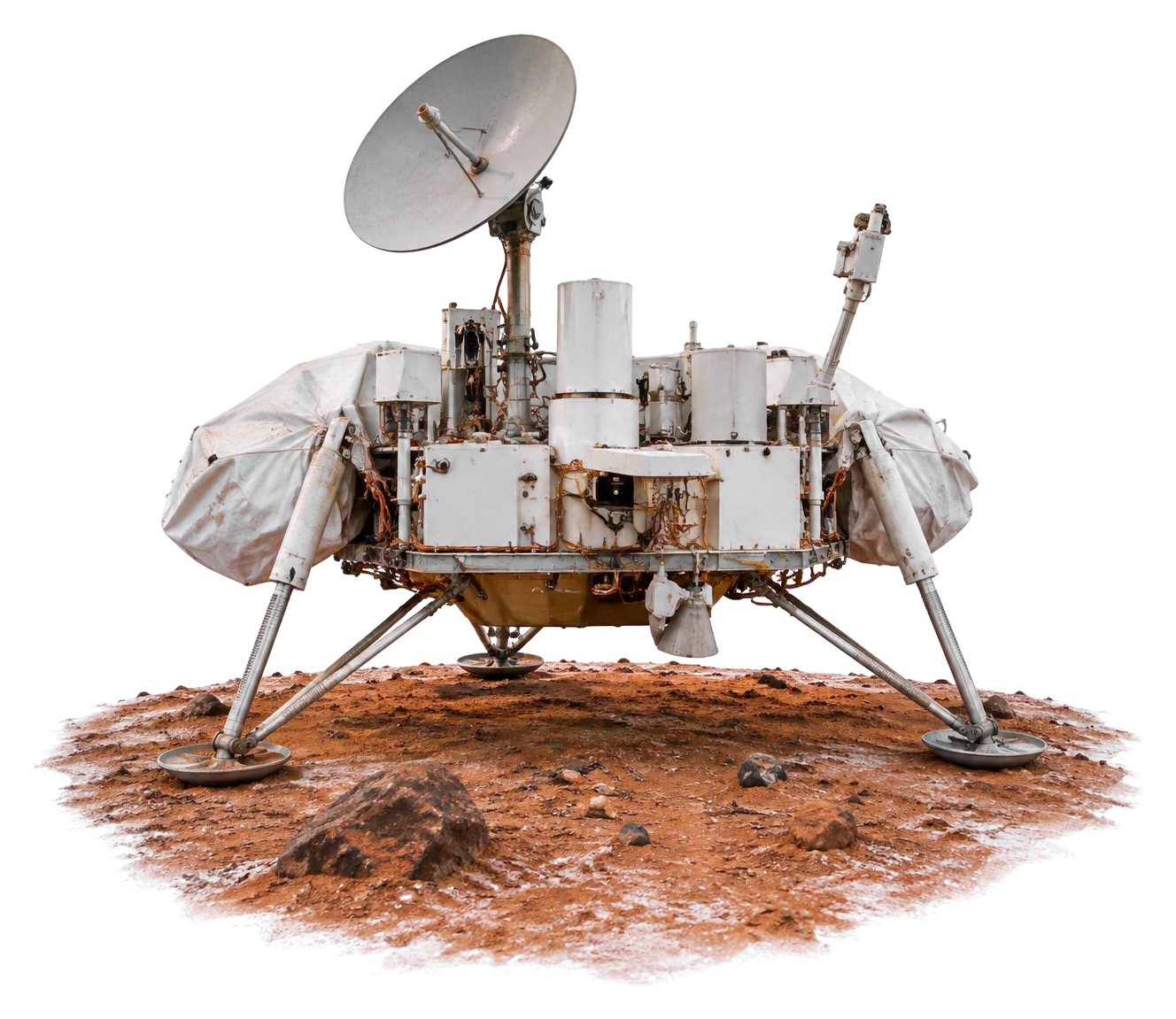
01My seismometer could work, but Viking 1’s failure to uncage meant we could not form the planned pair of seismic stations. My instrument measured motion along three axes and used different sampling and transmission modes. Getting an instrument open was only the beginning.
The wind could shake my body and write its own signal.
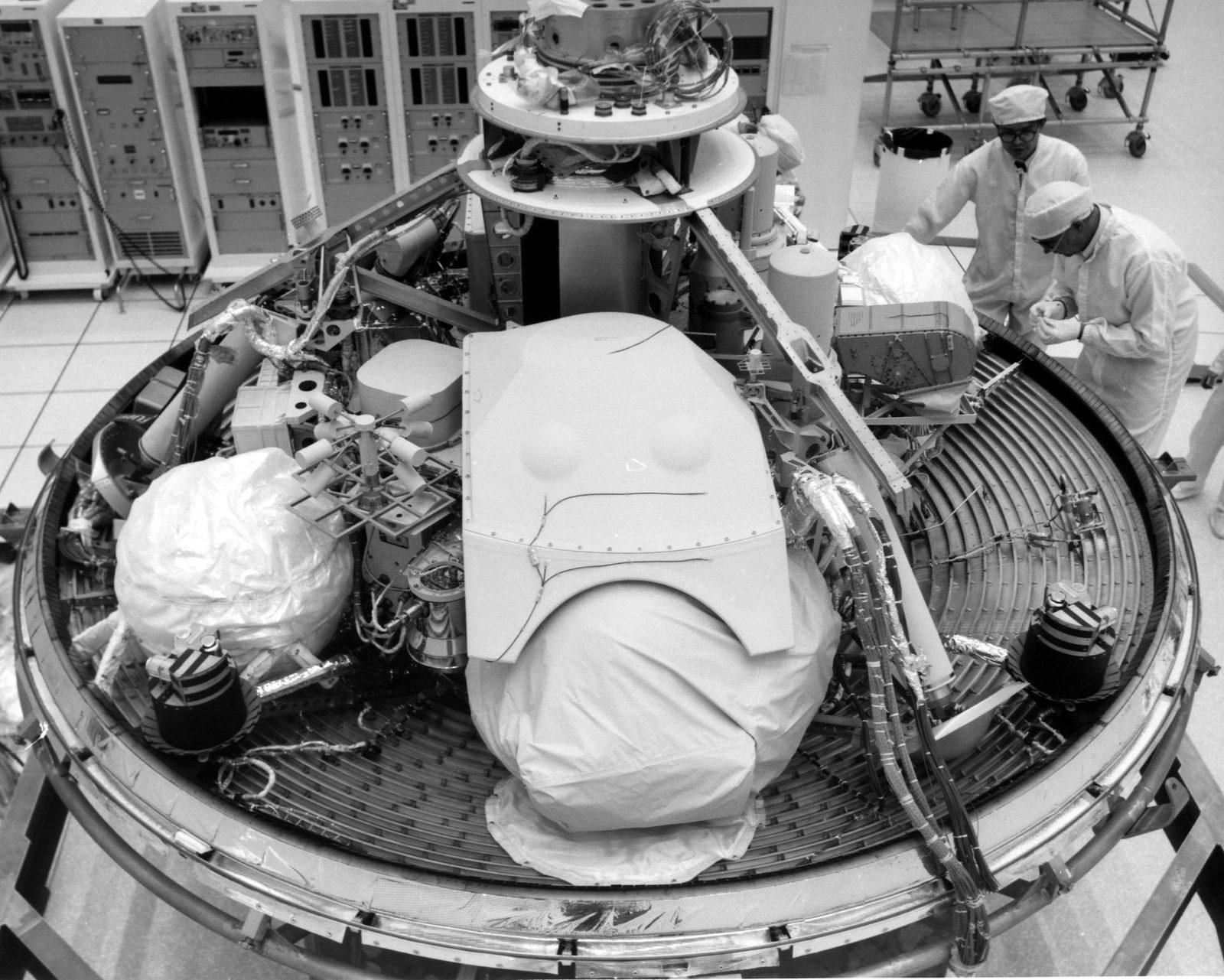
02The seismometer sat on my deck rather than directly on the ground. Wind-induced lander vibrations contaminated much of the record. Scientists compared instrument signals with weather information and used quieter periods to improve the chance of finding a natural seismic event.
CAPE CANAVERAL, Fla.
Viking 2One signal was interesting. A missing weather measurement kept it a mystery.
NASA
03The final report describes the Sol 80 event as a possible natural seismic signal. No wind measurement was available within twenty minutes of it, so a gust could not be ruled out. The record did not uniquely establish a quake’s size and location—or prove Mars’s internal structure.
A difficult measurement still taught future explorers how to listen better.
04The report recommended more sensitive instruments, improved ground placement and seismic networks. Much later, InSight placed its seismometer on the surface under a shield. Those later measurements were new evidence, not a confirmation of my ambiguous event.

The big idea

A detector measures motion, not its cause. Environmental monitoring and instrument placement help distinguish possible quakes from wind and spacecraft vibrations.

Think about it

Could a quiet-looking weather record rule out a gust when a measurement is missing?

Fact file

Quiet-period data
More than 2,100 hours
Final report. Quiet-period coverage is not the same as continuous, noise-free monitoring.
Source ↗
Sol 80 event
Candidate, not confirmed Marsquake
No wind measurement within 20 minutes of the event. A gust could not be excluded; magnitude/distance comparisons depend on a model.
Source ↗

In this chapter: Deck-mounted three-axis seismometer, sampling modes and meteorology measurements

Sources: Main record · Viking 2 Seismology · NSSDCA 1975-083C-08 · NASA's InSight Detects First Likely ‘Quake’ on Mars · JPL

Machine illustration: AI-made. Photos: NASA Image and Video Library, credited on each picture.

Chapter 3 of 5

Next