Chapter 2 of 10

Code 1202: Forty Thousand Feet Above the Rocks

Executive overflow alarms (1202 and 1201) during powered descent (GET 102:38:26)

Told in Eagle’s imagined voice · the events are real · source
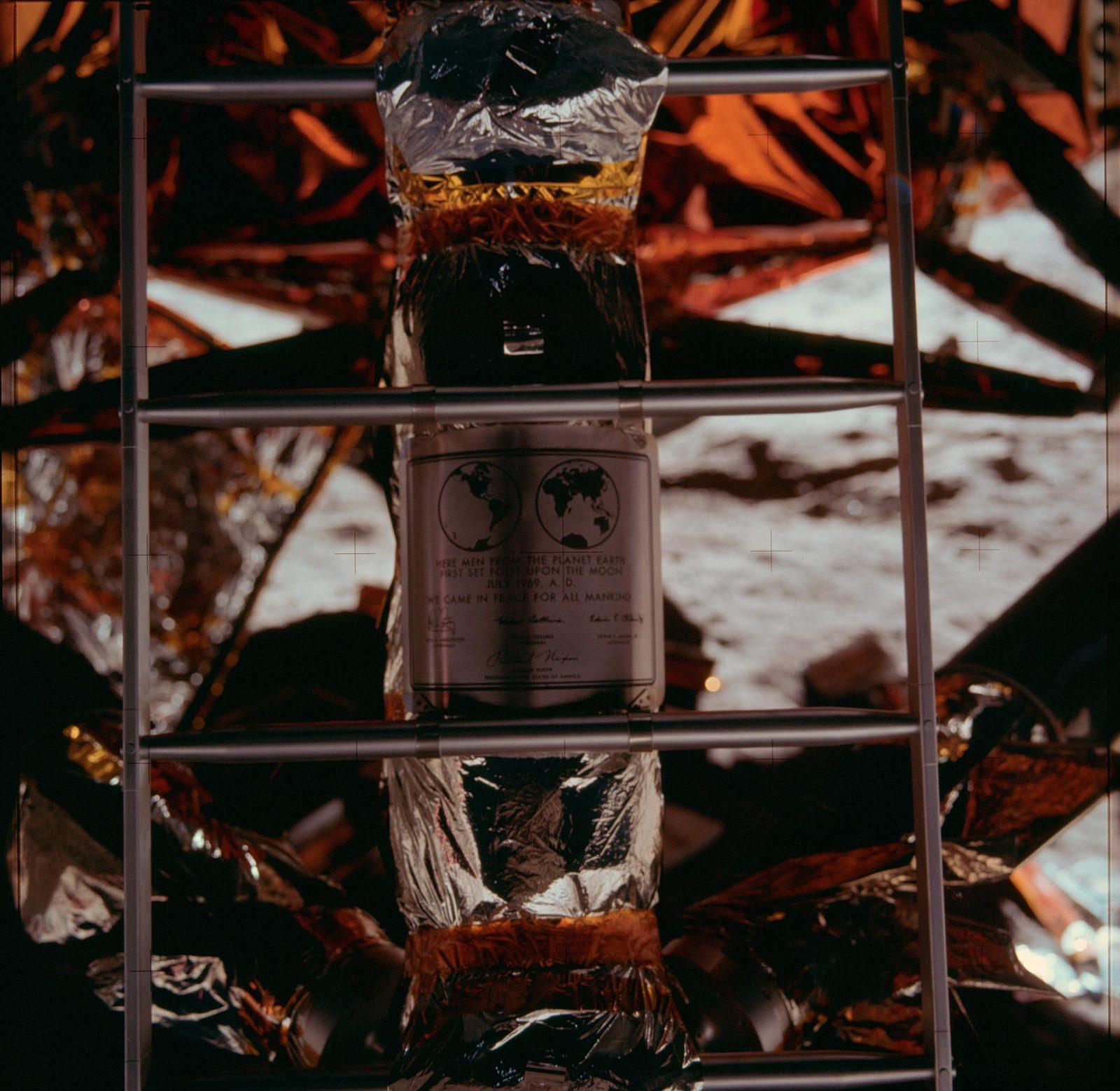
AS11-40-5899 (20 July 1969) --- Close-up view of the plaque which the Apollo 11 astronauts left on the moon in commemoration of the historic lunar landing mission.
EagleSix miles above the Moon, my master alarm buzzed inside the astronauts' headsets—and a yellow '1202' flashed on my screen.
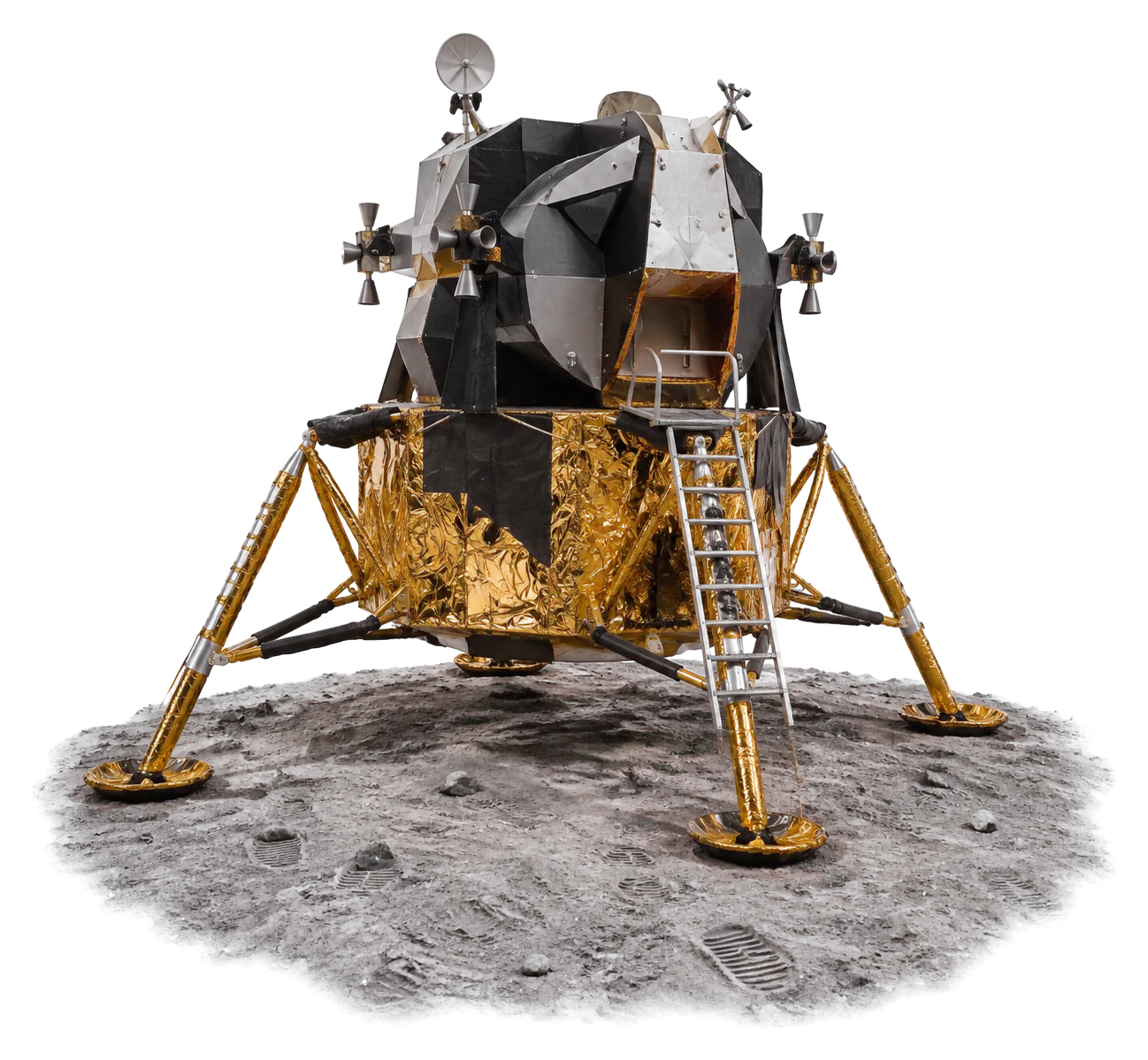
NASA/JSC
01My rocket was roaring at full throttle to slow us down. Suddenly, my Apollo Guidance Computer was being flooded with extra radar pulses from a switch left in the wrong position, stealing 13 percent of my brainpower.
My memory was overflowing—so I threw away the chores that didn't matter to save the ones that kept us alive.
02Instead of freezing up like an ordinary computer, my MIT-designed software triggered an instantaneous lightning reboot. I dropped low-priority screen updates and poured every ounce of processing power into firing the engine and steering my thrusters.
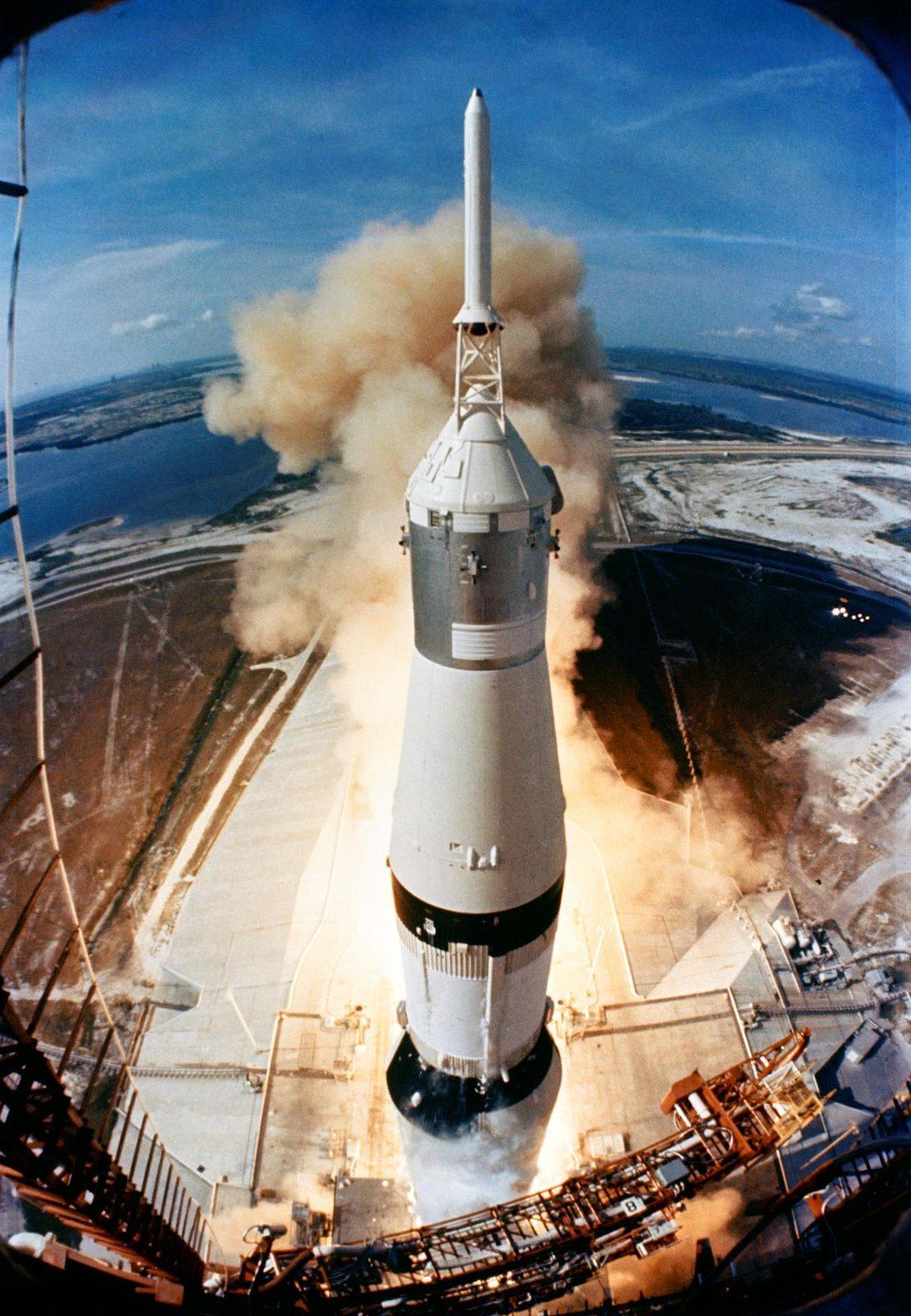
S69-39961 (16 July 1969) --- The huge, 363-feet tall Apollo 11 (Spacecraft 107/Lunar Module S/Saturn 506) space vehicle is launched from Pad A, Launch Complex 39, Kennedy Space Center (KSC), at 9:32 a.m.
EagleTwo hundred forty thousand miles away in Houston, a twenty-six-year-old engineer had seconds to call a liftoff abort—or let us keep falling.
NASA
03Guidance Officer Steve Bales and computer specialist Jack Garman recognized the 1202 code immediately: as long as the alarm didn't fire continuously, my software was winning the fight. Charlie Duke radioed up: "We're GO on that alarm."
Four more alarms flashed, I cleared every single one, and then Neil looked out my window—straight into a trap.
04My computer had kept us flying through the overload, but when the lander pitched upright for the final approach, we saw what lay directly beneath my feet.

The big idea

Instead of crashing when overloaded, Eagle's computer used priority-scheduling software to drop minor tasks and protect engine guidance in real time.

Think about it

When a spacecraft computer runs out of processing room during landing, which job must it protect above all others?

In this chapter: Apollo Guidance Computer (AGC), DSKY keypad, and MIT priority-scheduling software

Sources: Main record

Machine illustration: AI-made. Photos: NASA Image and Video Library, credited on each picture.

Chapter 2 of 10

Next