Chapter 6 of 10
The Mirror That Still Answers Earth Today
Deploying the Laser Ranging Retroreflector (LRRR) at Tranquility Base
Told in Eagle’s imagined voice · the events are real · source
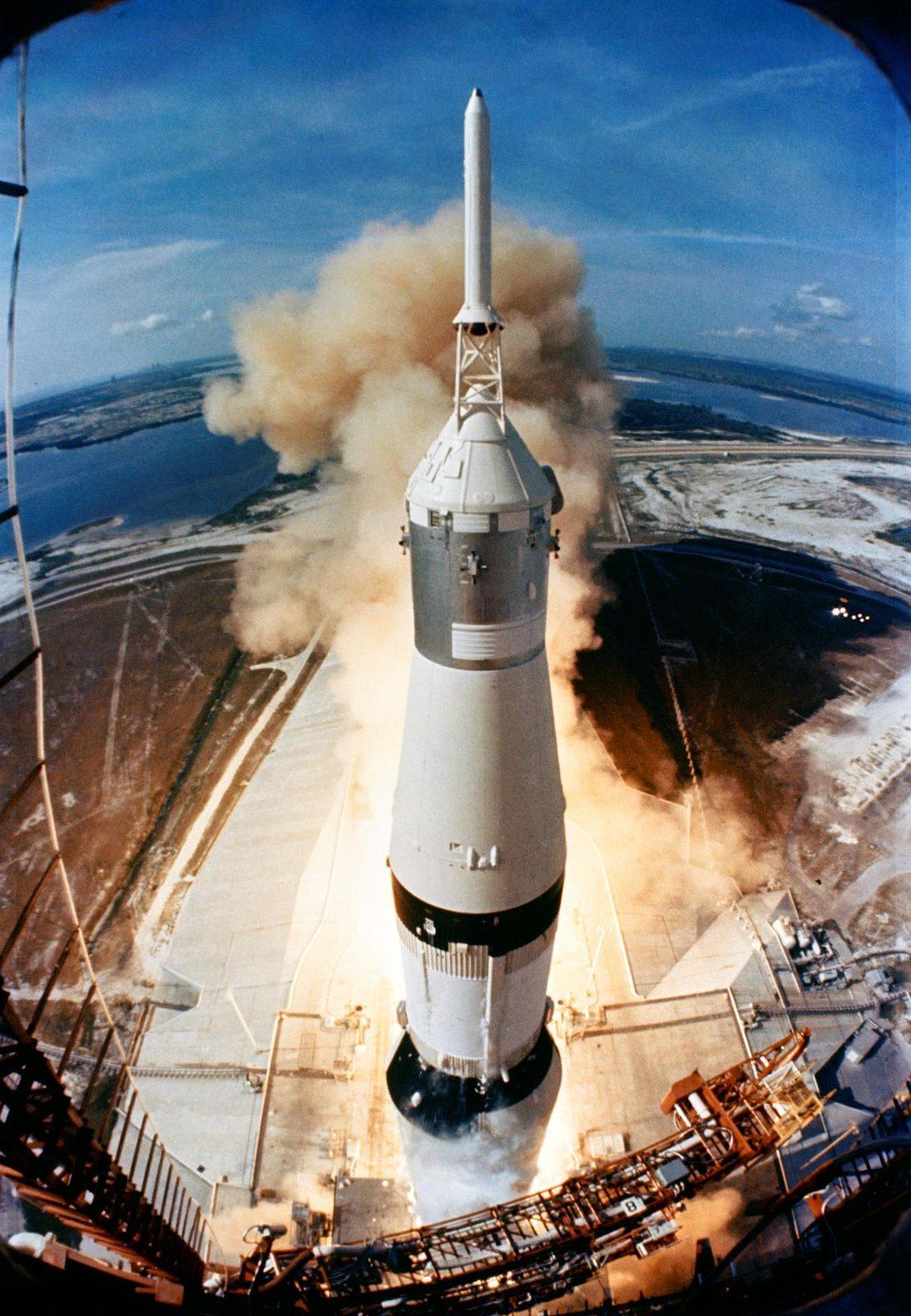
EagleEvery battery on the Moon eventually dies—so I carried one scientific instrument that needed no electricity, no wires, and no radio at all.
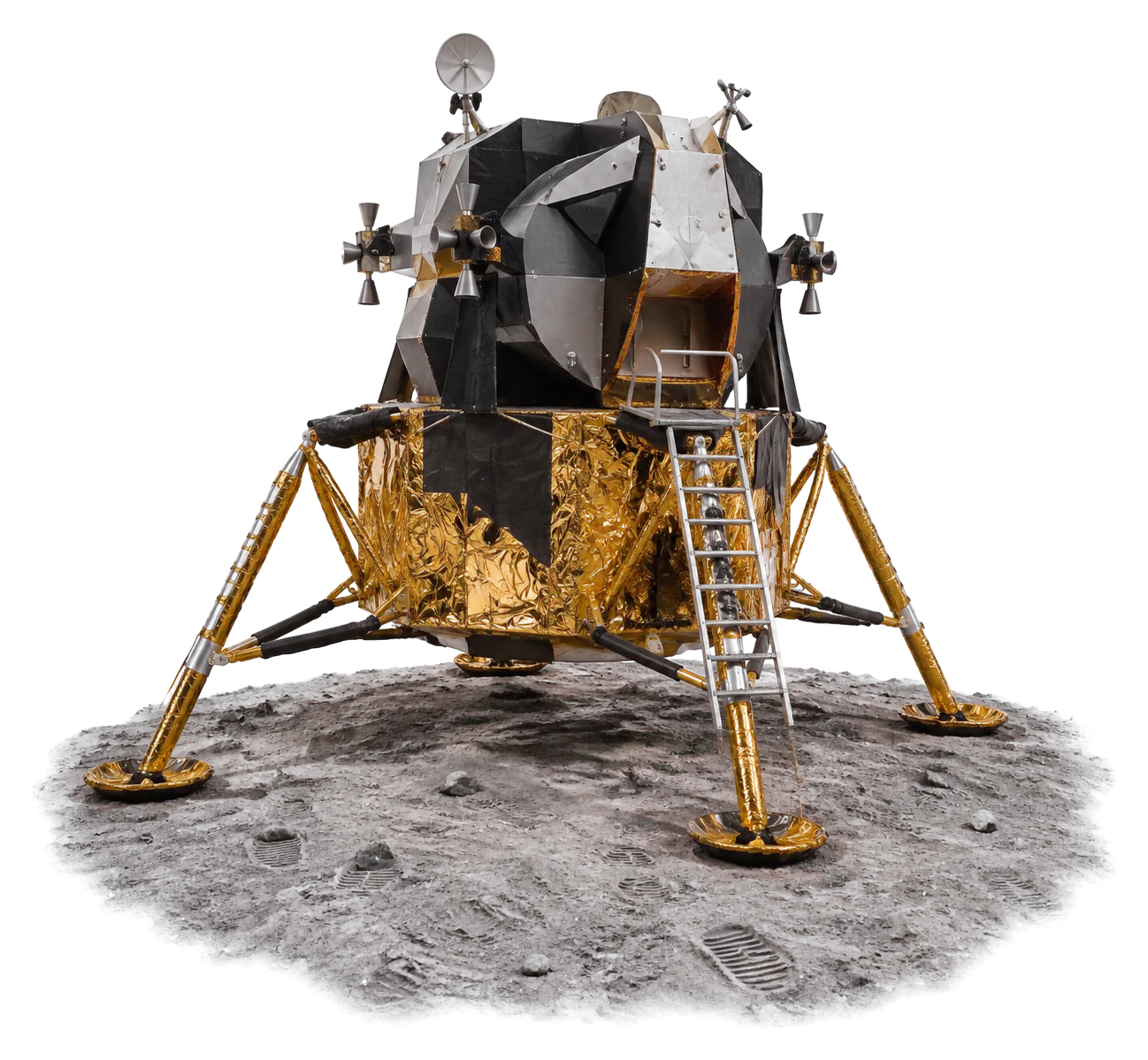
Each glass prism was cut into a special 'corner cube'—shaped so that any beam of light hitting it bounces straight back to the exact spot it came from.
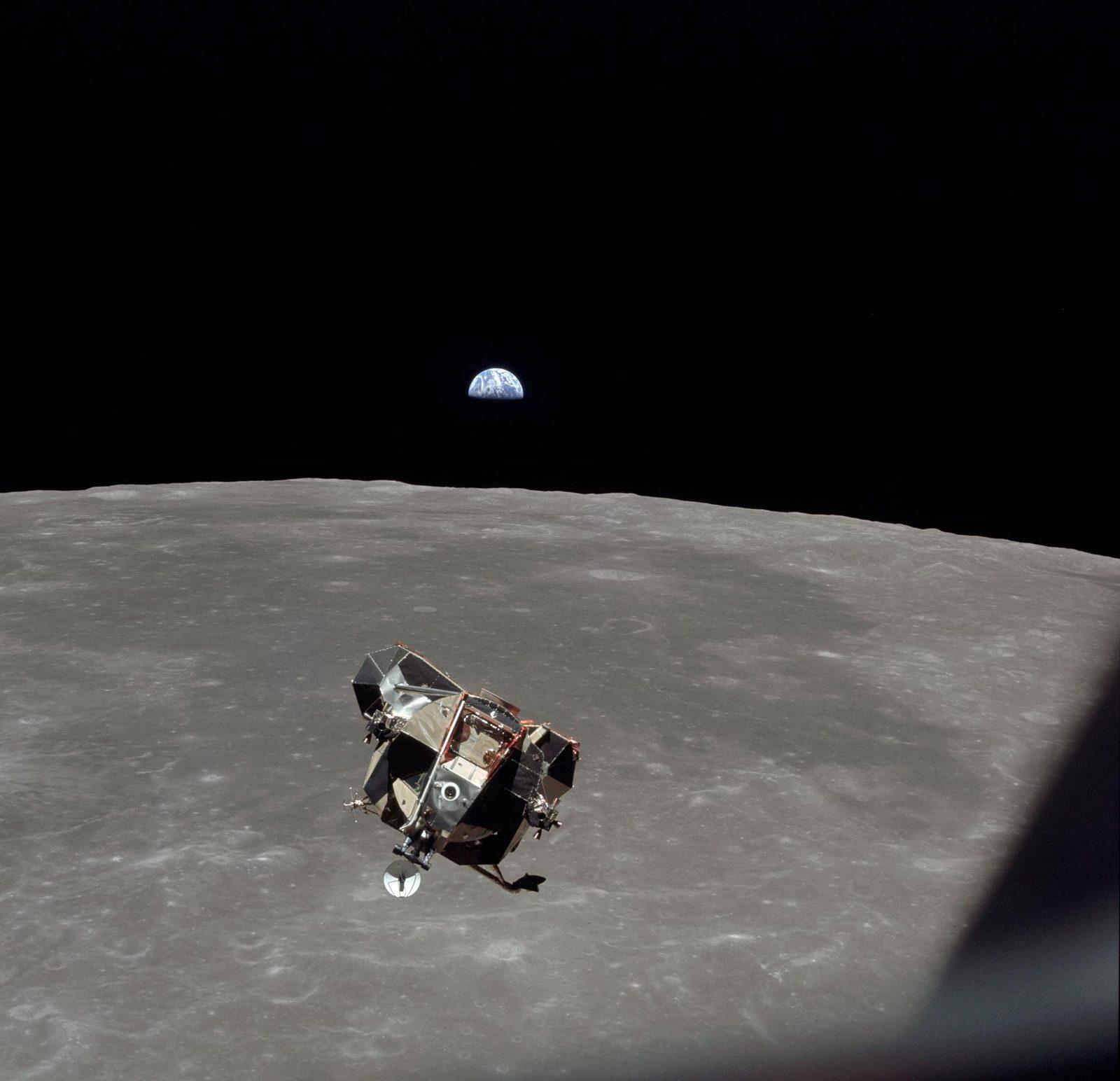
EagleTwo and a half seconds after a laser flash left Earth, a handful of reflected light particles arrived back home from our dusty mirror.
More than half a century later, my batteries are dead—but that mirror beside me is still working right now.
The big idea
Because the Laser Ranging Retroreflector uses pure geometry (100 glass corner-cube prisms) instead of batteries, astronomers still bounce lasers off it today—revealing that the Moon drifts 3.8 cm farther from Earth every year.
Think about it
Why is the Apollo 11 laser reflector still working more than 55 years later when every other Apollo 11 experiment went silent?
In this chapter: Anodized aluminum panel holding 100 fused-silica corner-cube prisms
Sources: Main record
Machine illustration: AI-made. Photos: NASA Image and Video Library, credited on each picture.