Chapter 8 of 8

The wheels stayed. The clues travelled.

The rover's scientific record and later study of the returned samples

Told in Apollo 15 Rover’s imagined voice · the events are real · source
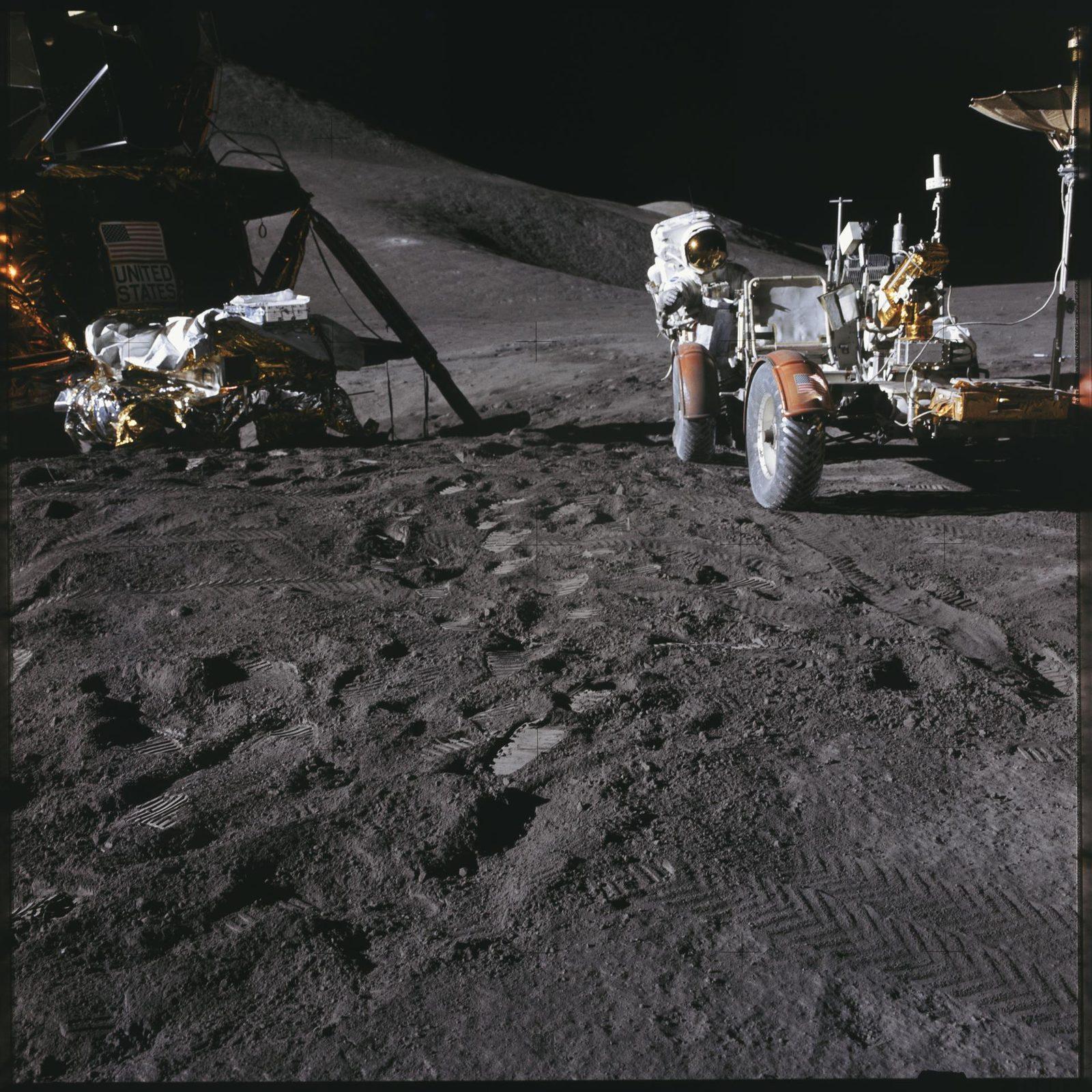
AS15-86-11601 (31 July 1971) --- Astronaut James B.
Apollo 15 RoverThe crew's journeys covered about twenty-eight kilometres—not one straight road.
NASA/JSC
01NSSDCA gives 27.8 kilometres and three hours, two minutes of driving. NASA's mission summary gives about 27.9 kilometres and three hours. We retain their attribution instead of manufacturing a falsely exact combined total.
A landing-site coordinate is not automatically my parking coordinate.
02NSSDCA publishes an LRO-derived position for Falcon in a stated reference frame. That identifies the lunar module's landing location. This edition does not relabel it as the rover's exact final wheel position.
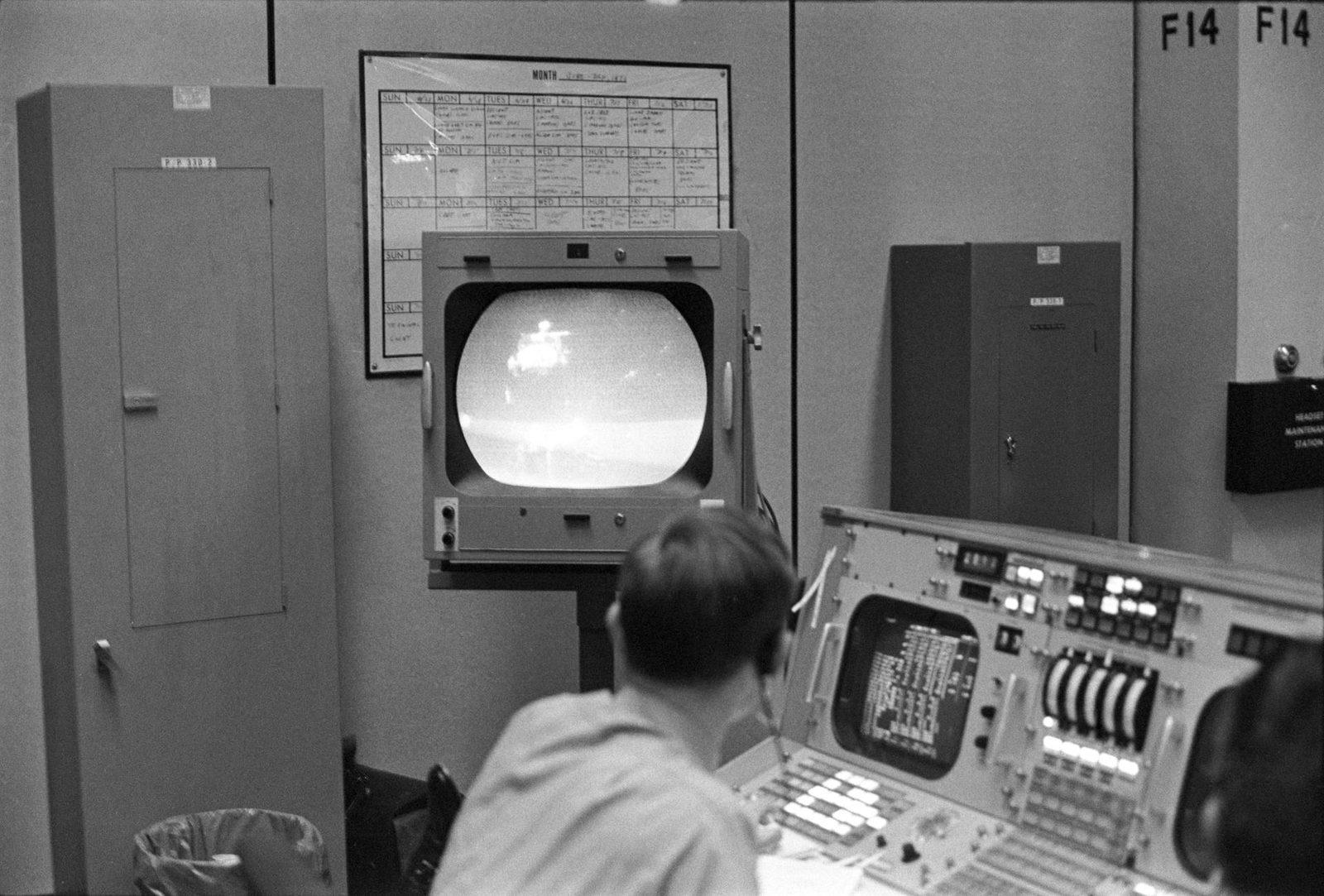
View of a photograph of the television (TV) monitor in the MCC showing a picture being transmitted from the color TV camera mounted on the parked Lunar Roving Vehicle (LRV) at the Hadley-Apennine Landing Site showing the
Apollo 15 RoverOn Earth, researchers can still look inside Seatbelt Rock.
NASA/JSC
03NASA's Astromaterials 3D collection provides a model and X-ray CT imagery of sample 15016. The hardware stayed on the Moon; the physical samples and documented observations became material for further investigation.
I did not need to come home to change what people could learn.
04The lunar rovers helped crews reach more varied geology on Apollo 15, 16 and 17. The scientific legacy is in the evidence: photographs, sample context, laboratory results and a record of the engineering that made those journeys possible.

The big idea

An exploration vehicle's lasting value is not just its distance travelled. It is the evidence people could collect because the vehicle worked.

Think about it

If you could keep one rover record for a future scientist, what would you choose—and why?

In this chapter: Archived photographs, sample collections, laboratory analysis and mission records

Sources: Main record · The Apollo Lunar Roving Vehicle · NSSDCA · Lunar sample 15016,0 · NASA Astromaterials 3D · Apollo 15 Lunar Module / ALSEP · NSSDCA

Machine illustration: AI-made. Photos: NASA Image and Video Library, credited on each picture.

Chapter 8 of 8

Next book