Chapter 7 of 8

Parked to watch

Final parking and television coverage of Falcon's ascent on 2 August 1971

Told in Apollo 15 Rover’s imagined voice · the events are real · source
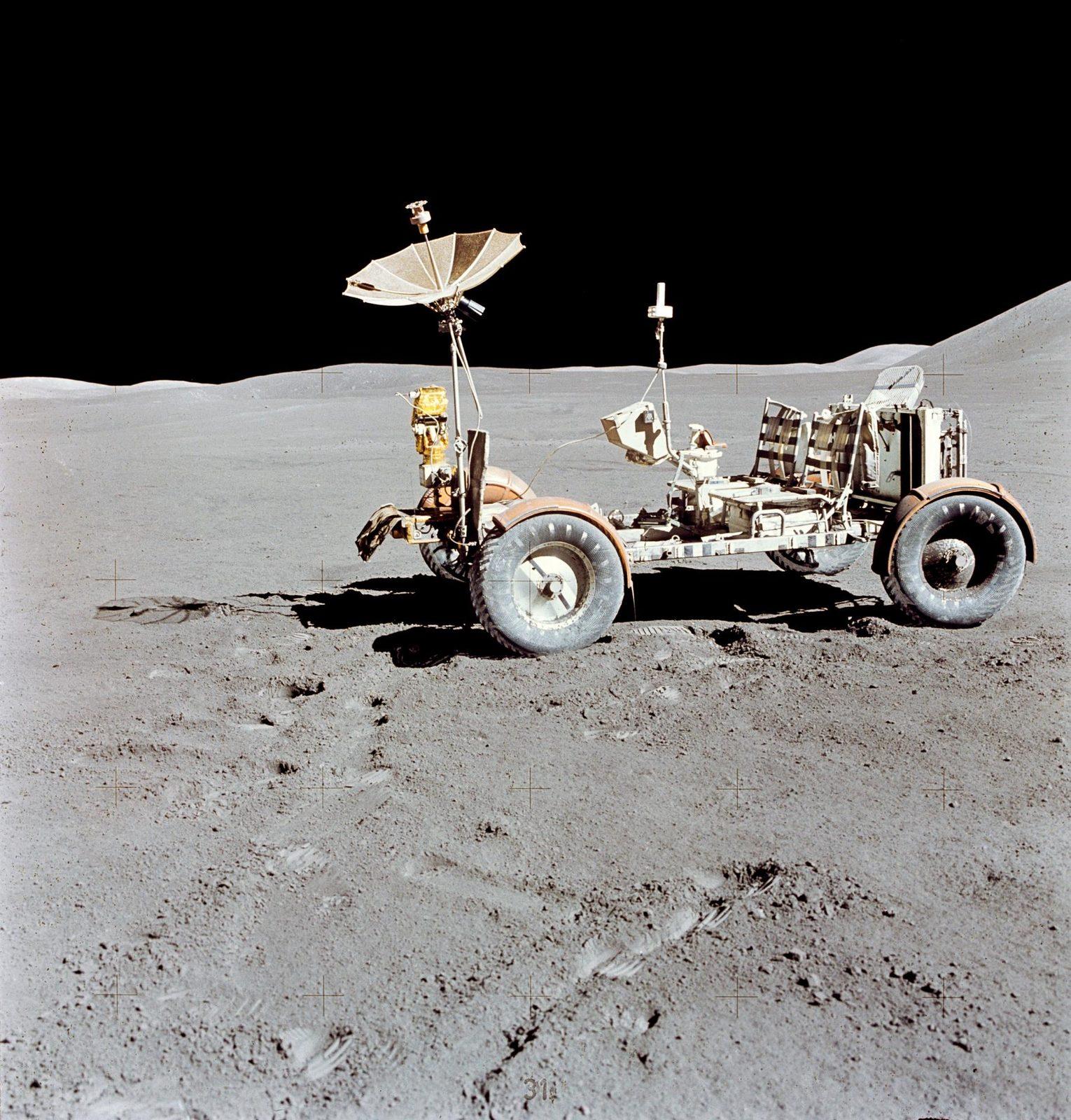
AS15-88-11901 (31 July-2 Aug.
Apollo 15 RoverMy last assignment was to stay parked and help Earth watch.
NASA/JSC
01Scott chose elevated terrain for a better view and left the rover away from Falcon. The television camera and communications equipment could provide ground-controlled coverage of the ascent. Parking was part of the mission, not an accidental abandonment.
The antenna connected a quiet vehicle with people far away.
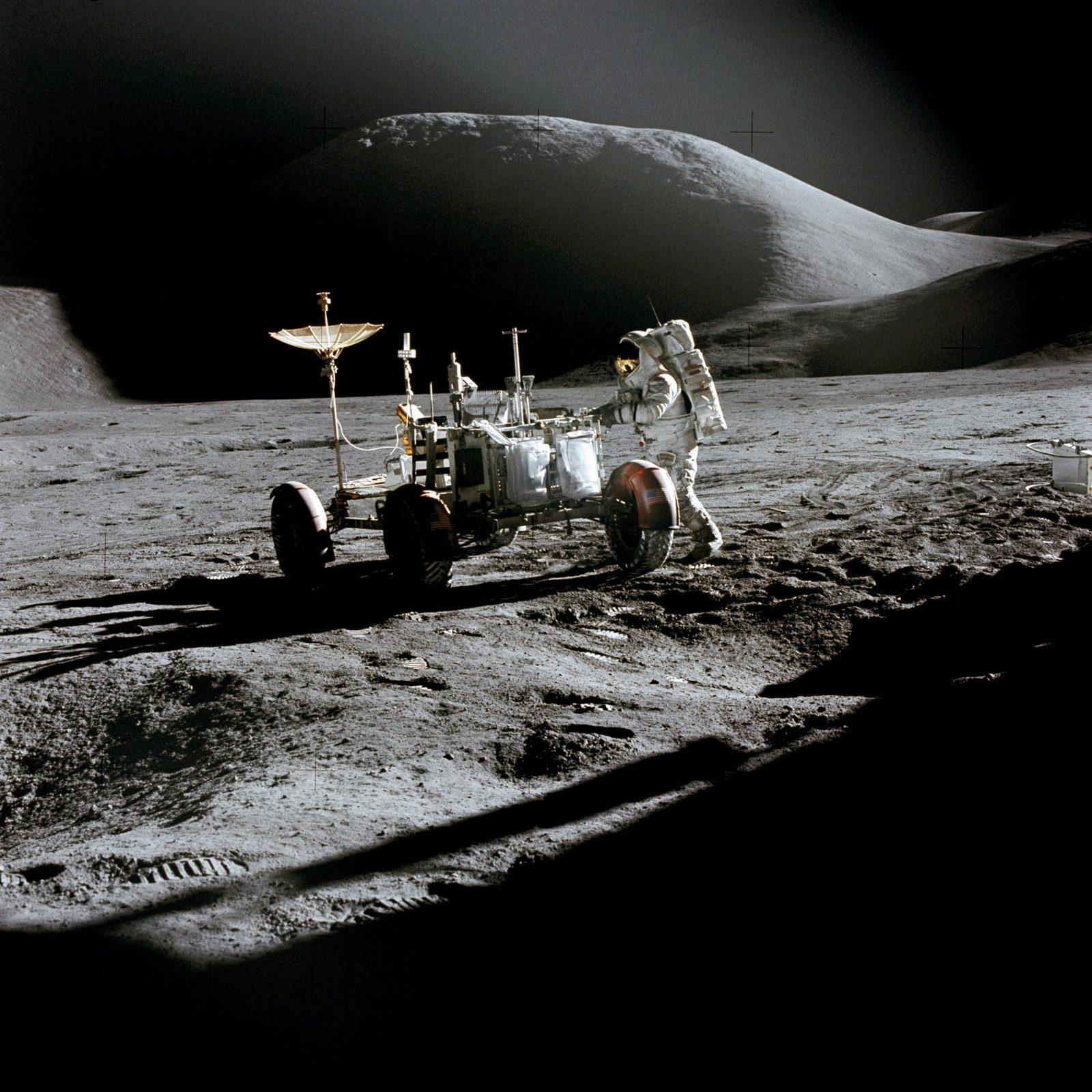
02The high-gain antenna and lunar communications relay carried the television link. Earlier, the camera had helped people on Earth follow scientific work at the stops. Now the crew prepared to leave the surface.
AS15-86-11603 (31 July 1971) --- Astronaut James B.
Apollo 15 RoverFalcon's ascent stage left on August 2. My wheels did not go with it.
NASA/JSC
03The rover, camera and relay equipment remained on the Moon. These were different pieces of hardware from Falcon's ascent stage and the command module that returned the crew to Earth.
My driving ended. That is not an exact time of battery death.
04NASA documents the three excursions and final parking task. The cited records do not supply a uniquely verified final rover radio timestamp, present battery condition, or spoken goodbye from the machine. Those values remain unknown.

The big idea

Equipment left behind can finish a deliberate task. Ending crew use, losing a radio link and proving electrical failure are not the same event.

Think about it

Why should a mission's last recorded activity not automatically be labelled the moment every component died?

In this chapter: Ground-controlled television assembly, communications relay and high-gain antenna

Sources: Main record · 50 Years Ago: Apollo 15 on the Moon at Hadley-Apennine · NASA

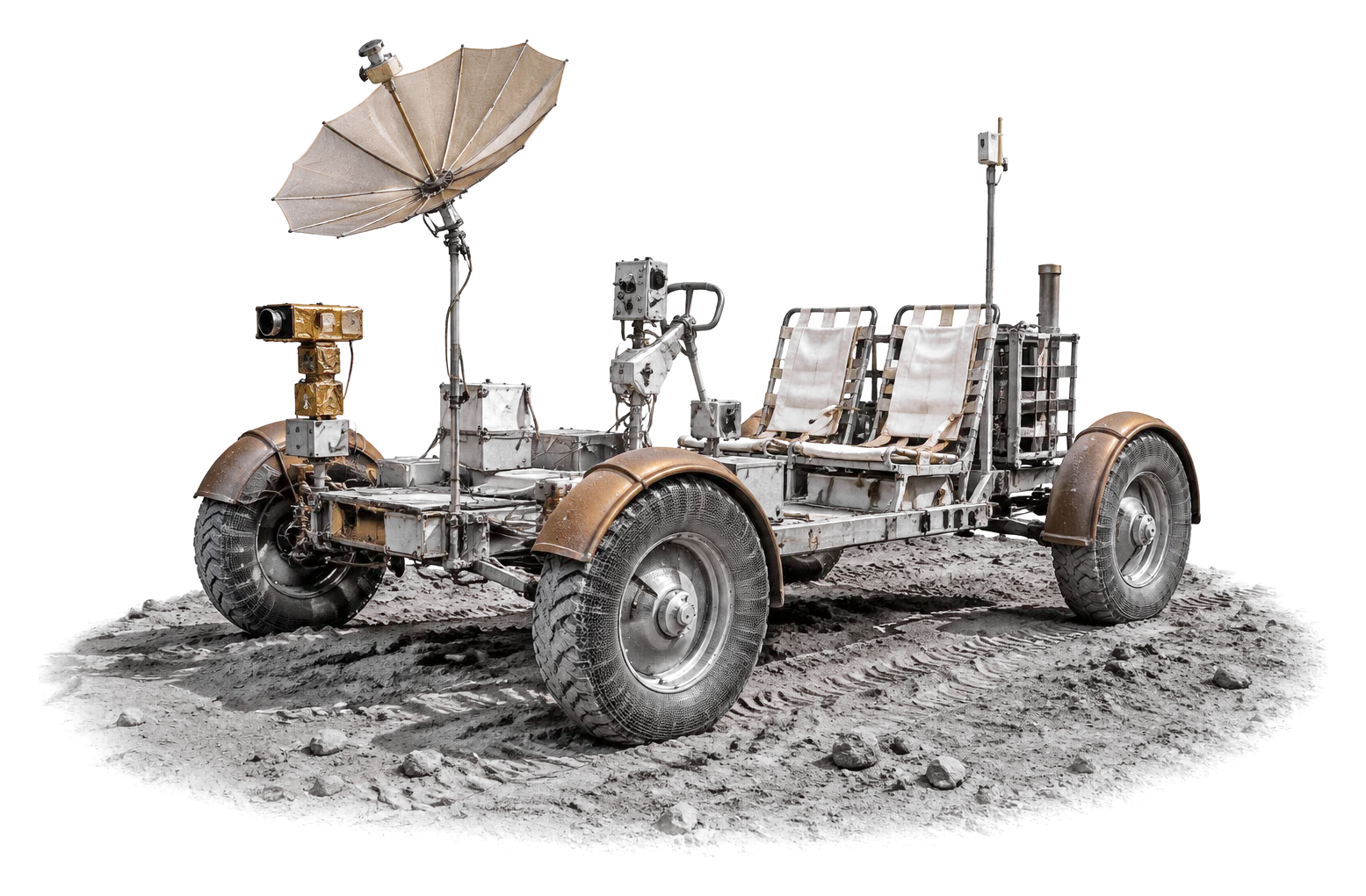
Machine illustration: AI-made. Photos: NASA Image and Video Library, credited on each picture.

Chapter 7 of 8

Next