Chapter 6 of 8

A wall with layers

Third traverse to Hadley Rille on 2 August 1971

Told in Apollo 15 Rover’s imagined voice · the events are real · source
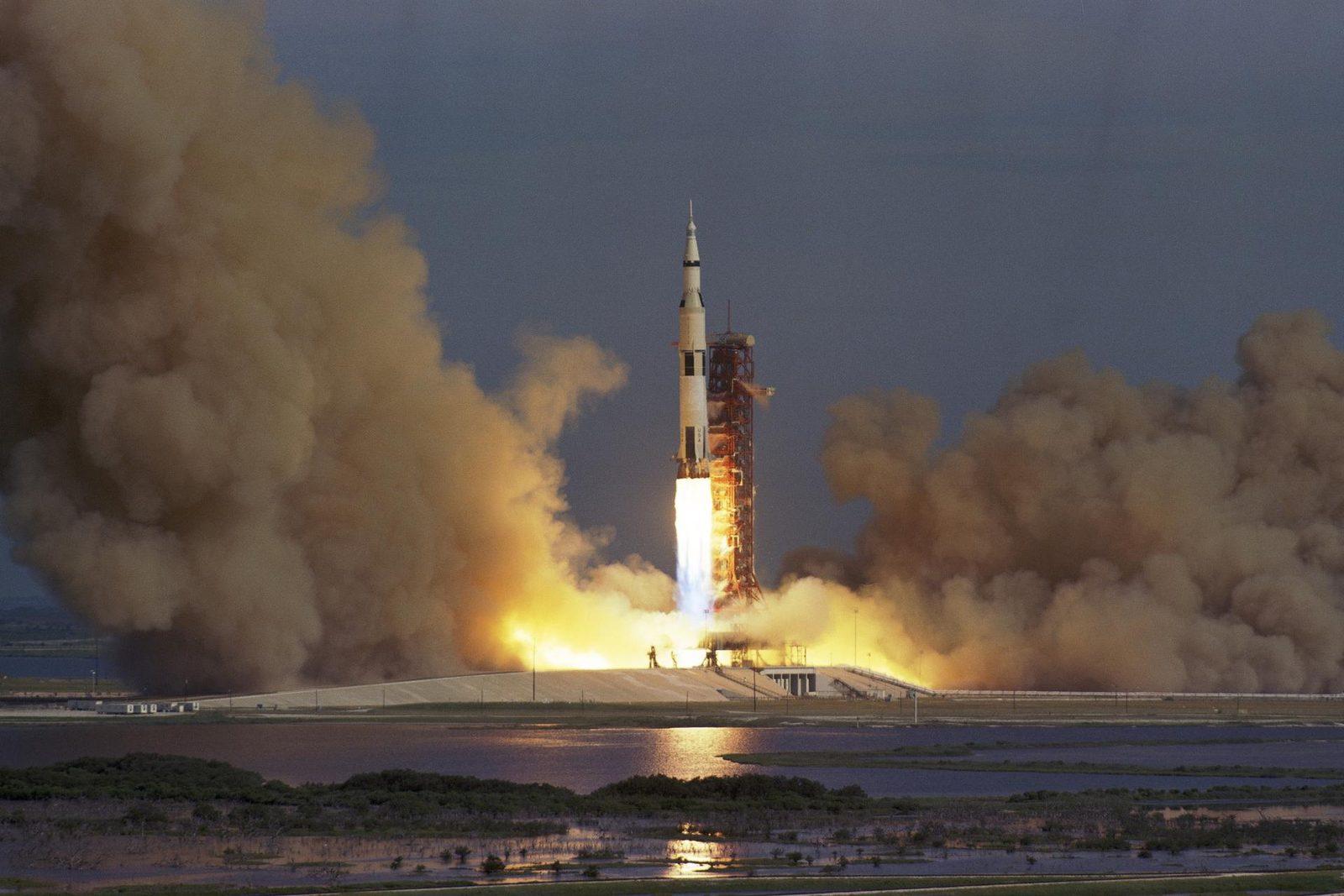
CAPE CANAVERAL, Fla.
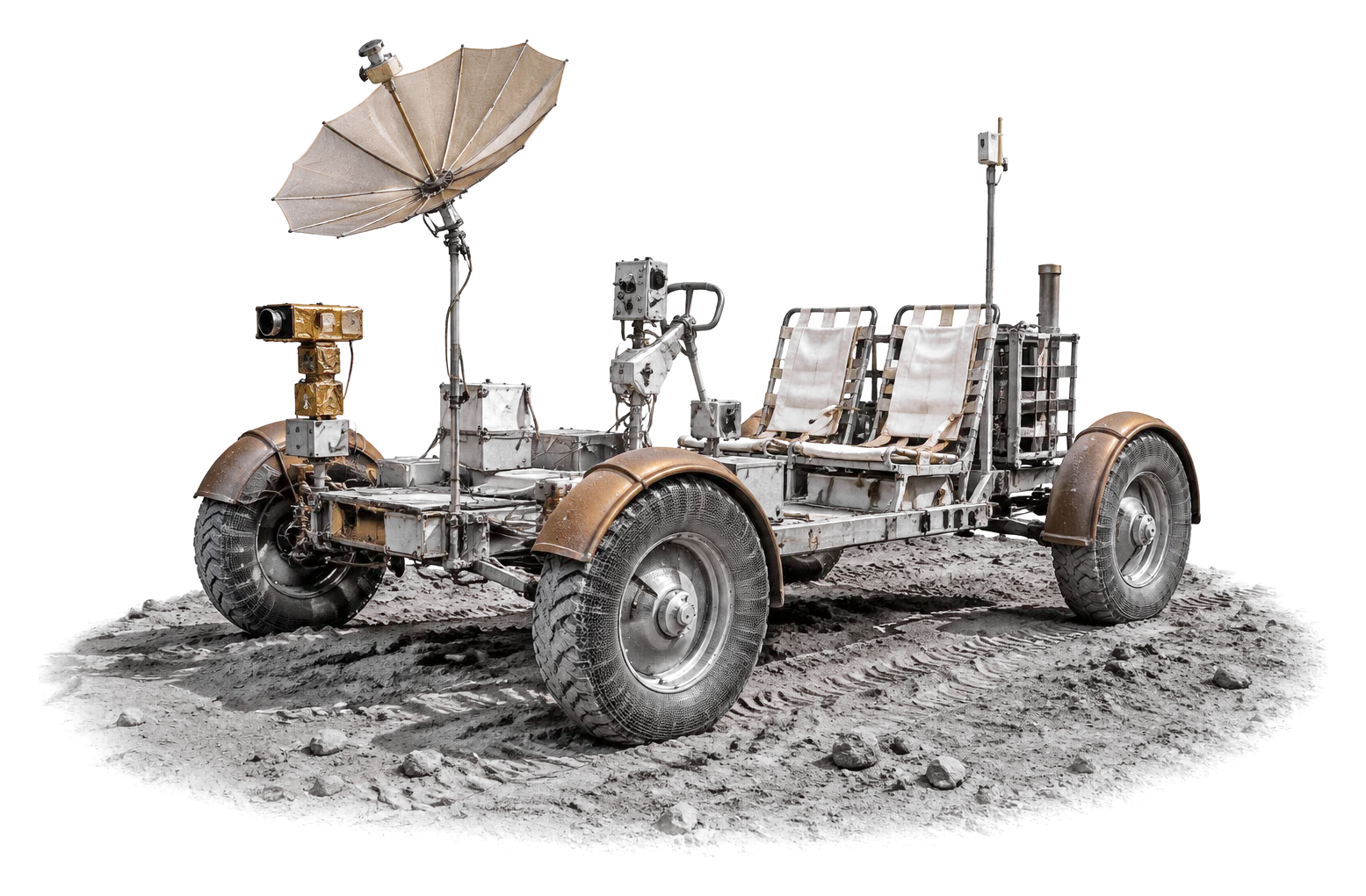
Apollo 15 RoverOur last drive led toward a canyon called Hadley Rille.
NASA
01Scott and Irwin visited stops near the rille during their third excursion. They collected samples and photographed the opposite wall. The rover was carrying people and tools between different geological settings—not racing toward a finish line.
The wall showed layers. A picture could preserve their arrangement.
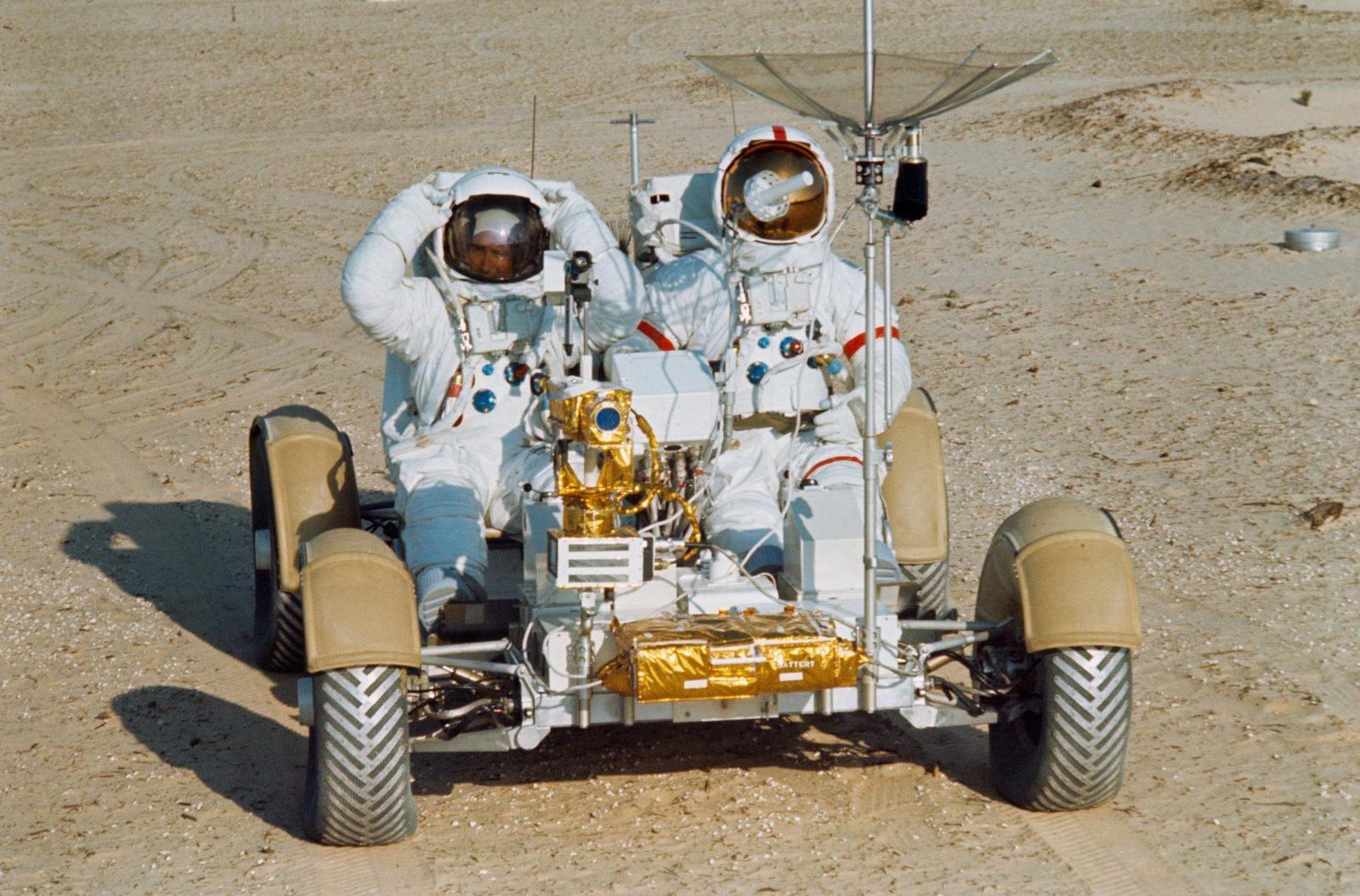
02NASA's mission summary records exposed layering in the west wall of Hadley Rille. The images supplied evidence about the terrain, while collected material supplied evidence that could be examined in laboratories.
S71-39867 (June 1971) --- Astronauts David R.
Apollo 15 RoverThe return trip also carried a core sample from the experiment site.
NASA/JSC
03The astronauts retrieved the remaining sections of the deep-core sample on their way back. Driving, walking, drilling and sampling were different jobs working toward the same scientific record.
There was one job left for me, and it did not need moving wheels.
04Back near Falcon, the crew unloaded the vehicle. The rover had helped extend exploration beyond walking-only missions. Now Scott selected a parking place for a ground-controlled television view of the coming ascent.

The big idea

Pictures describe where rocks sit; samples reveal properties that pictures cannot. Transportation connects these observations across a landscape.

Think about it

Why collect both photographs and samples when investigating a layered canyon wall?

In this chapter: Rover navigation, cameras, core-sampling equipment and cargo storage

Sources: Main record · 50 Years Ago: Apollo 15 on the Moon at Hadley-Apennine · NASA

Machine illustration: AI-made. Photos: NASA Image and Video Library, credited on each picture.

Chapter 6 of 8

Next