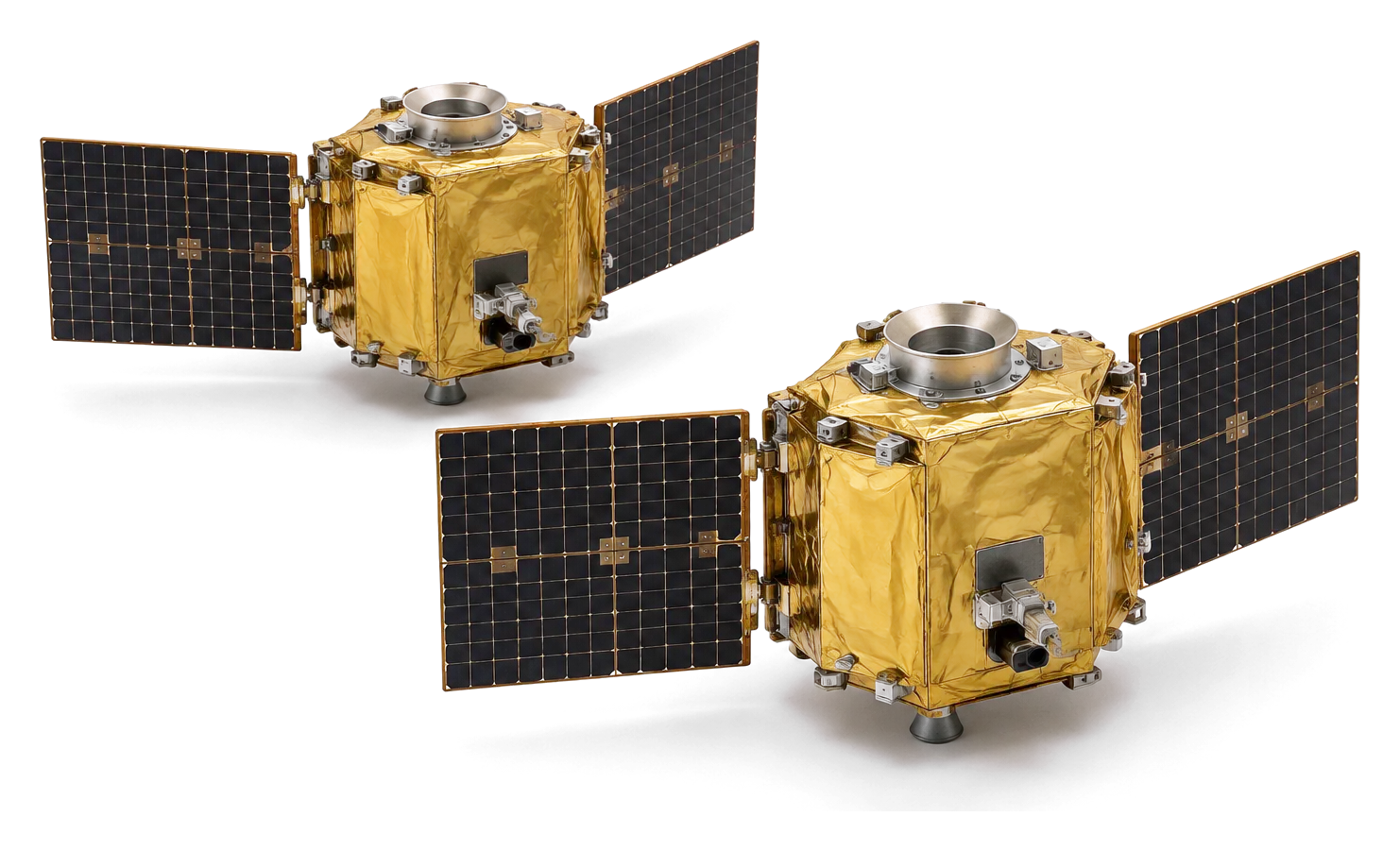
Chapter 5 of 5

A place named for Sally

Final fuel-gauge burn and controlled impact at the Sally K. Ride Impact Site

Told in GRAIL’s imagined voice · the events are real · source
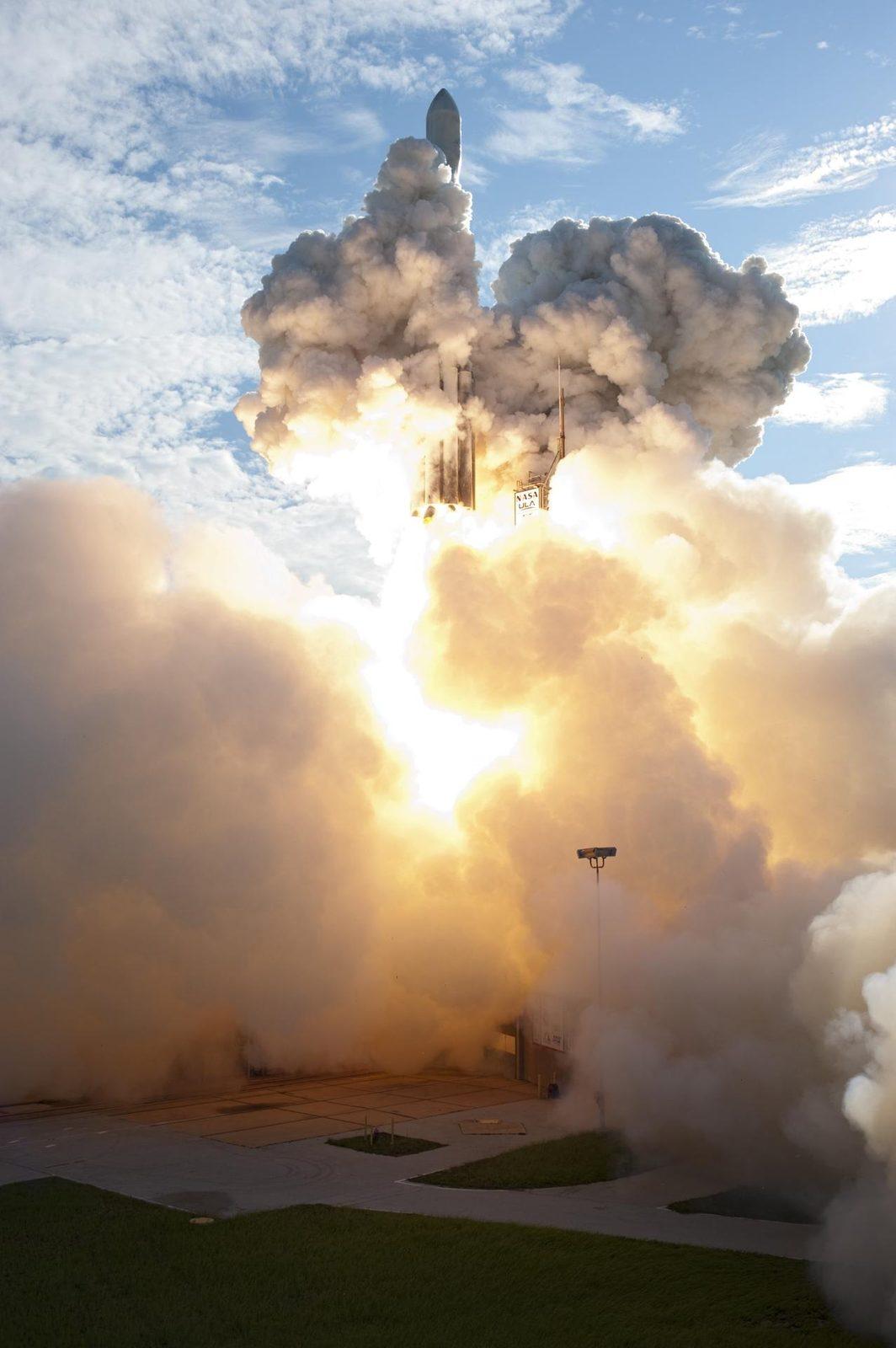
CAPE CANAVERAL, Fla.
GRAILOur tanks were almost empty.
NASA/Tony Gray and Tim Powers
01By mid-December 2012, low fuel and a low orbit meant we could not continue science safely. The team chose a controlled ending far from historic landing sites: the southern face of a mountain near Goldschmidt Crater at the lunar north pole.
We spent the last fuel on purpose.
02About fifty minutes before impact, we fired our main engines until the propellant ran out. Ebb burned for 4 minutes 3 seconds and Flow for 5 minutes 7 seconds. That final burn measured how much fuel truly remained, helping engineers validate fuel models for future missions.
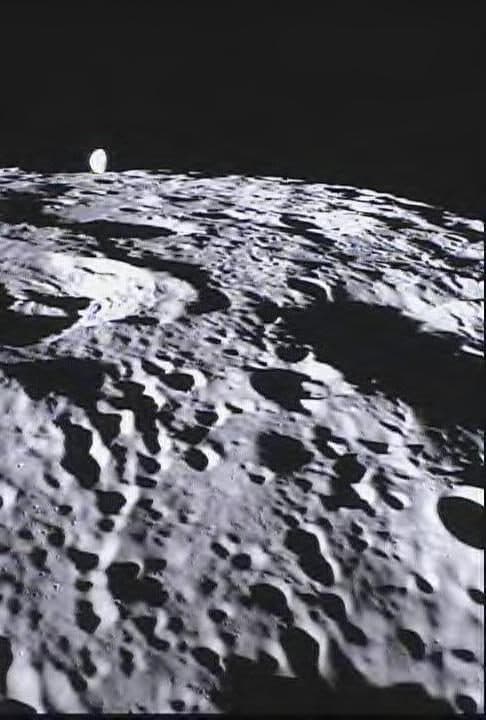
This image of the far side of the lunar surface, with Earth in the background, is of crater De Forest and was taken by NASA MoonKAM system onboard the Ebb spacecraft.
GRAILThen we fell together.
NASA/Caltech-JPL/MIT/SRS
03On December 17, 2012, Ebb struck at 22:28:51 UTC and Flow followed 30 seconds later at 22:29:21 UTC, both at about 1.68 kilometres per second. NASA named the mountain the Sally K. Ride Impact Site for astronaut Dr. Sally Ride, who led the MoonKAM education work.
Later, another orbiter found our marks.
04When LRO imaged the site later, it found two fresh craters about 5 metres across with dark, irregular ejecta. The spacecraft were gone, but their measured gravity map — and the students’ MoonKAM pictures — remained.

The big idea

A controlled ending can still return engineering data, and later orbiters can verify the new craters after the mission ends.

Think about it

Why burn the last fuel before impact instead of saving it?

Fact file

Fuel-gauge burn
Ebb 4 min 3 s / Flow 5 min 7 s
Fired about 50 minutes before impact until propellant was depleted, to measure remaining fuel.
Source ↗
Impact speed
3,760 mph (about 1.68 km/s)
NASA impact article; Ebb at 22:28:51 UTC and Flow at 22:29:21 UTC.
Source ↗
LROC craters
About 5 m (15 ft) each
LROC caption reports about 5 m craters with dark, irregular ejecta.
Source ↗

In this chapter: Main hydrazine thrusters, propellant depletion burn and deliberate lunar impact

Sources: Main record · PIA16493 · NASA Image Library · PIA16492 · NASA Image Library · PIA16603 · NASA Image Library · Impact! · LROC

Machine illustration: AI-made. Photos: NASA Image and Video Library, credited on each picture.

Chapter 5 of 5

Next book