Chapter 2 of 5

The fuel scare

Recovering from excessive attitude-thruster firing

Told in LCROSS’s imagined voice · the events are real · source
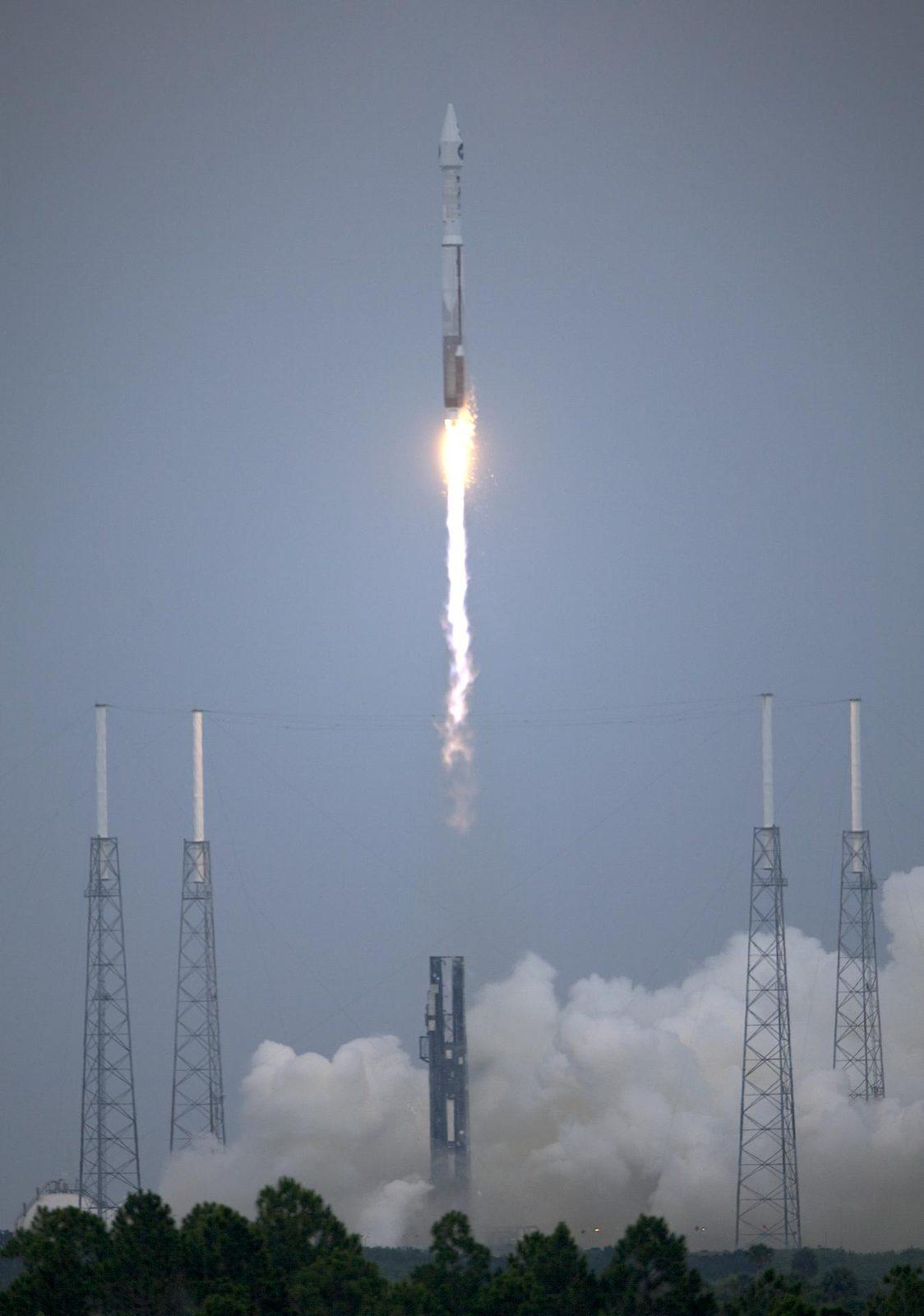
The Lunar Reconnaissance Orbiter and Lunar Crater Observation and Sensing Satellite are bound for the moon after a flawless liftoff Thursday, June 18, 2009, from Cape Canaveral Air Force Station in Florida aboard an Atla
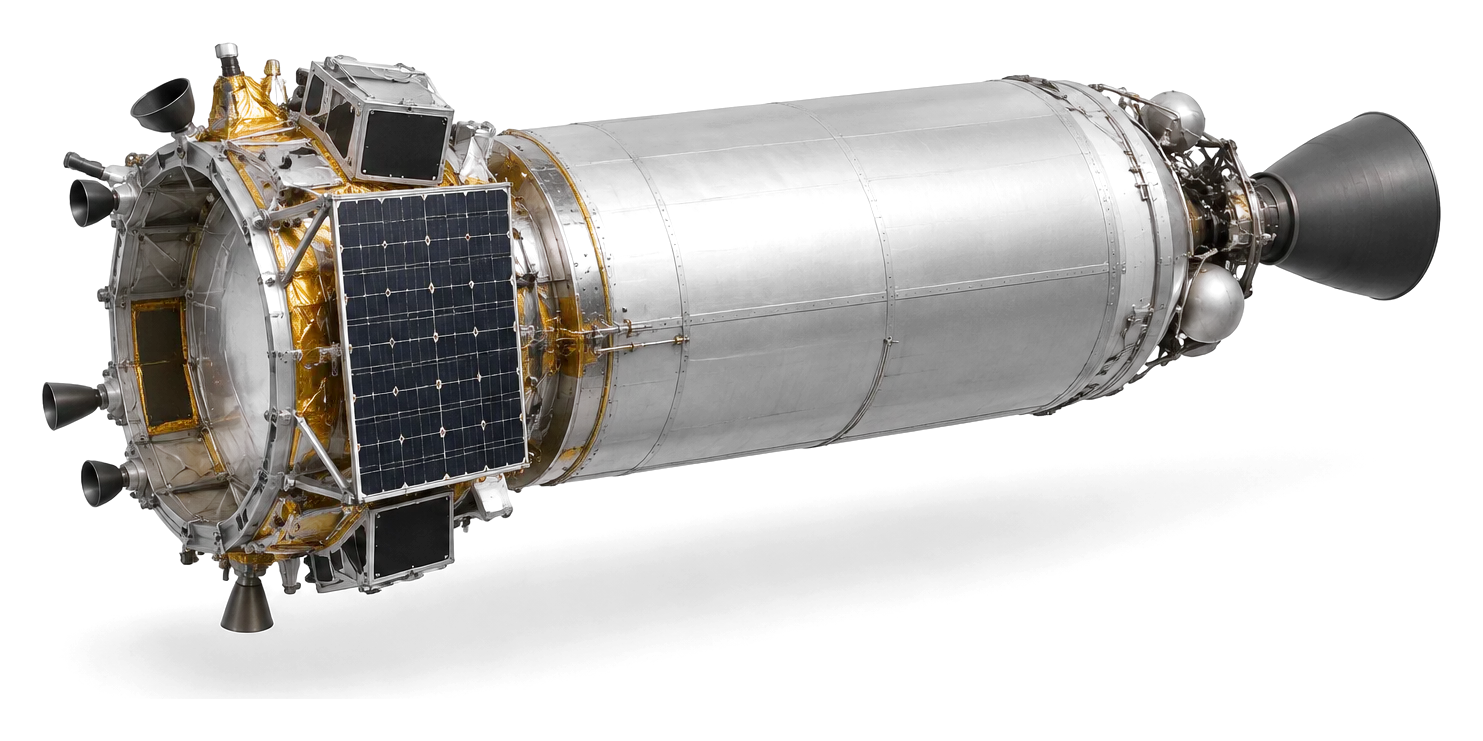
LCROSSDuring the long flight, my thrusters began working much too hard.
NASA/Bill Ingalls
01On August 22, the team regained contact and discovered that I had used more than half my remaining propellant. The problem was excessive control-thruster firing—not a confirmed hole in my fuel tank.
A brief sensor fault had sent my controller down a noisy path.
02Fault-management software switched from my inertial reference unit to rate estimates from the star tracker. Those estimates were noisier, and the controller lacked the needed filtering. It treated the noise as motion and kept firing thrusters to correct it.
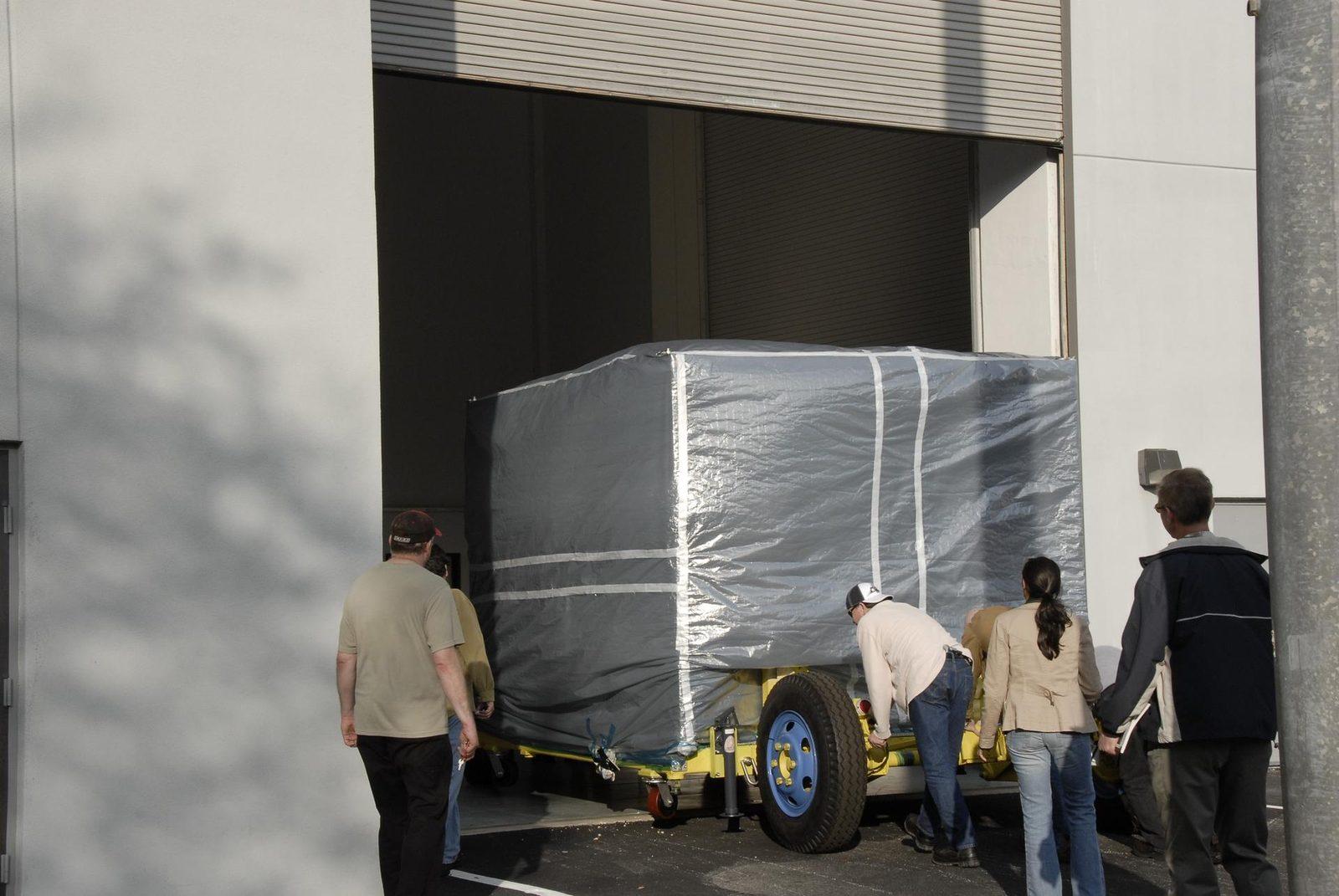
CAPE CANAVERAL, Fla.
LCROSSMy engineers restored the useful measurements and changed the safeguards.
NASA/Kim Shiflett
03The inertial unit was still functional. Returning to its rate information reduced propellant use. The team also revised the rules for switching sensors, improved the backup control mode and added protection against excessive fuel consumption.
Saving the mission also meant changing the remaining plan.
04Some calibrations were cancelled or redesigned to conserve propellant. Meanwhile, scientists refined the impact target using lunar observations and terrain models. The experiment could still go ahead, but the team had to spend its remaining resources carefully.

The big idea

A backup sensor needs compatible software, not just a place on a checklist. Noisy measurements can cause real hardware to consume precious resources.

Think about it

Can a controller waste fuel correcting motion that is only sensor noise?

Fact file

Emergency discovered
22 August 2009
The team discovered the problem after reacquiring communications.
Source ↗
Propellant loss
More than half the amount remaining
Mission summary: 140 kg; later operations report: nearly 152 of 202 kg. The narrative does not silently choose or combine estimates.
Source ↗

In this chapter: Inertial reference unit, star tracker, attitude-control software and hydrazine thrusters

Sources: Main record · LCROSS · NASA Science · Shooting the Moon · Daniel R. Andrews

Machine illustration: AI-made. Photos: NASA Image and Video Library, credited on each picture.

Chapter 2 of 5

Next