Chapter 3 of 5
Two impacts, one experiment
Separating the Centaur and observing its impact
Told in LCROSS’s imagined voice · the events are real · source
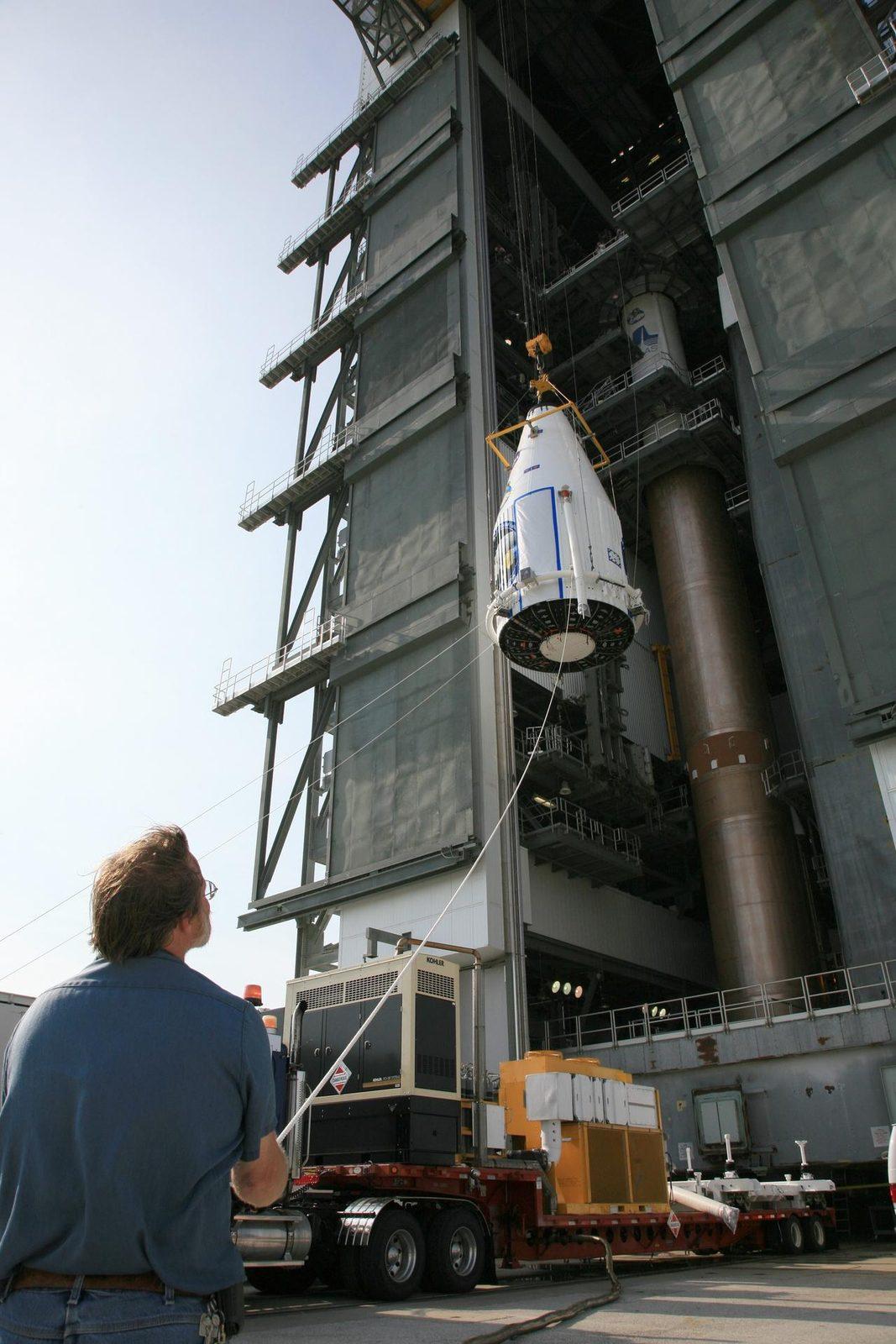
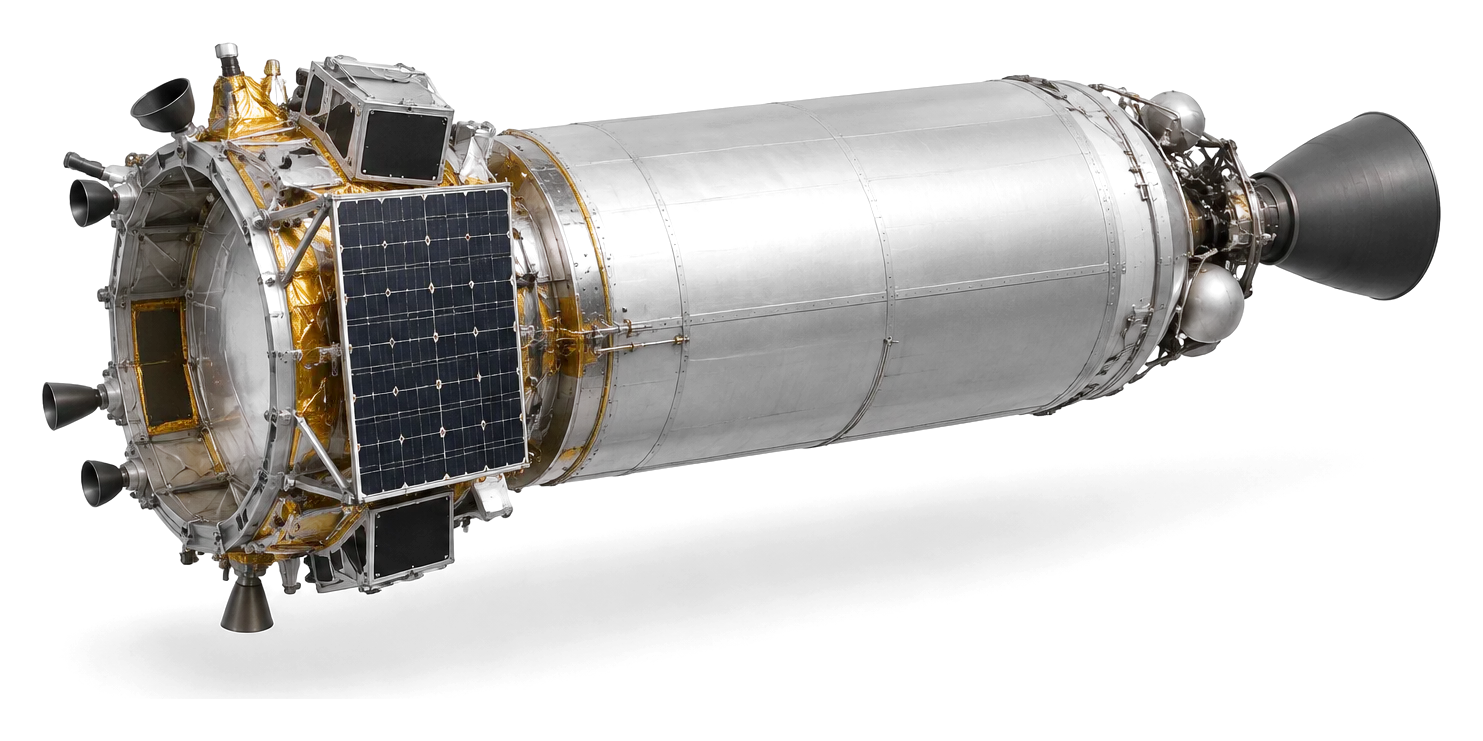
The Centaur's motion supplied the punch for the experiment.
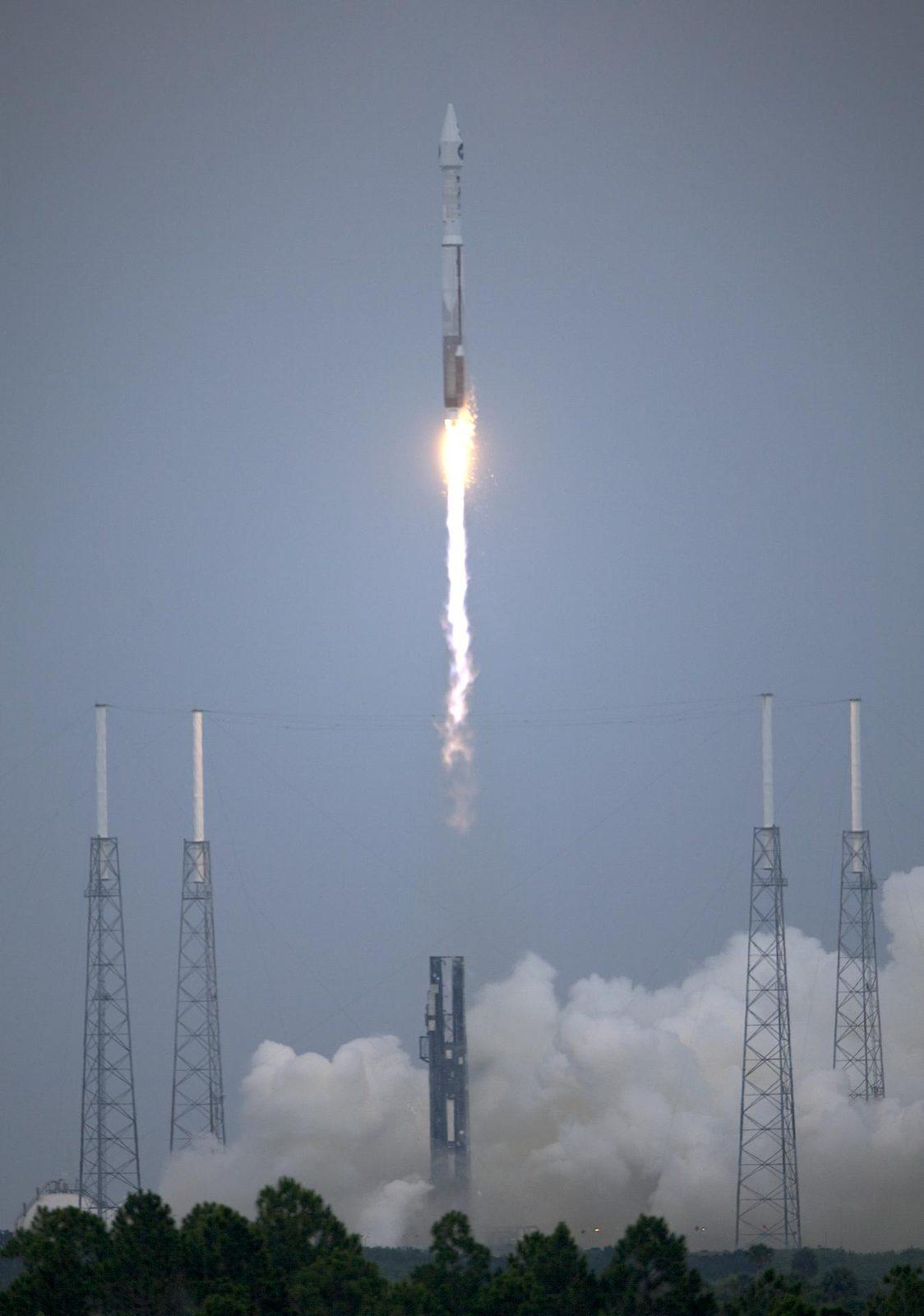
The time between the impacts was my chance to send the evidence home.
The big idea
Timing is part of instrument design. Separating the impactor from the observer made a destructive event into a brief scientific experiment.
Think about it
Why did the spacecraft carrying the instruments need to arrive later?
Fact file
- Separation
- 9 October 2009 / 01:50 UT
- The shepherd then performed a braking maneuver to arrive later.
- Source ↗
- Centaur impact
- 9 October 2009 / approximately 11:31 UT
- Cabeus crater. The catalog gives 11:31:19.5 UT and an approximate speed of 2.5 km/s.
- Source ↗
- Observation interval
- Approximately four minutes
- Time between impacts, not a claim of four minutes inside a uniform cloud.
- Source ↗
In this chapter: Separation mechanism, braking thrusters, Centaur stage and payload cameras
Sources: Main record · LCROSS · NSSDCA Master Catalog · Flight Operations for the LCROSS Lunar Impactor Mission · What is LCROSS? · NASA Ames
Machine illustration: AI-made. Photos: NASA Image and Video Library, credited on each picture.