Chapter 4 of 5

Light with a water clue

Spectroscopic evidence and a local water estimate

Told in LCROSS’s imagined voice · the events are real · source
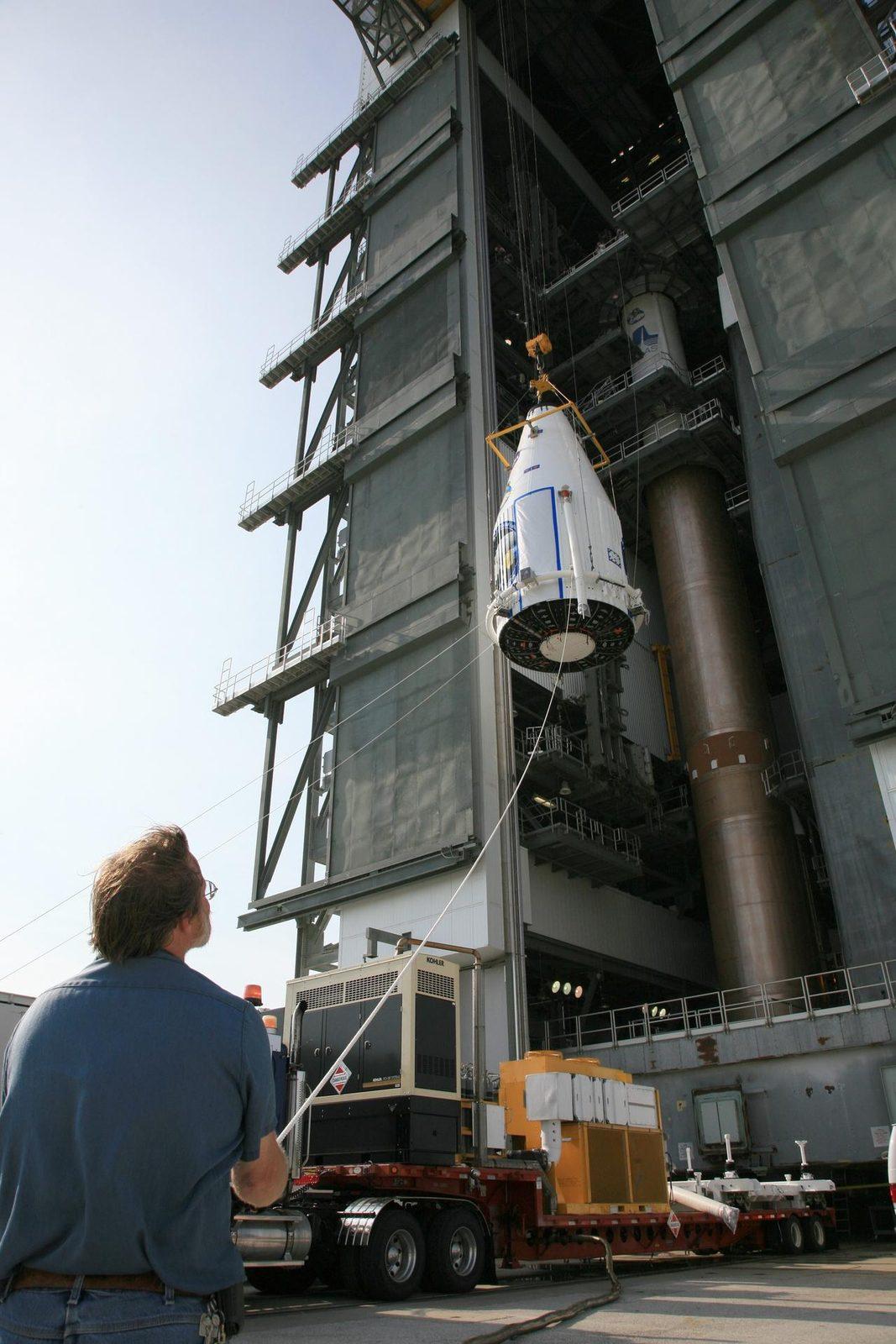
CAPE CANAVERAL, Fla.
LCROSSA bright plume alone could not tell us what it contained.
NASA/Kim Shiflett
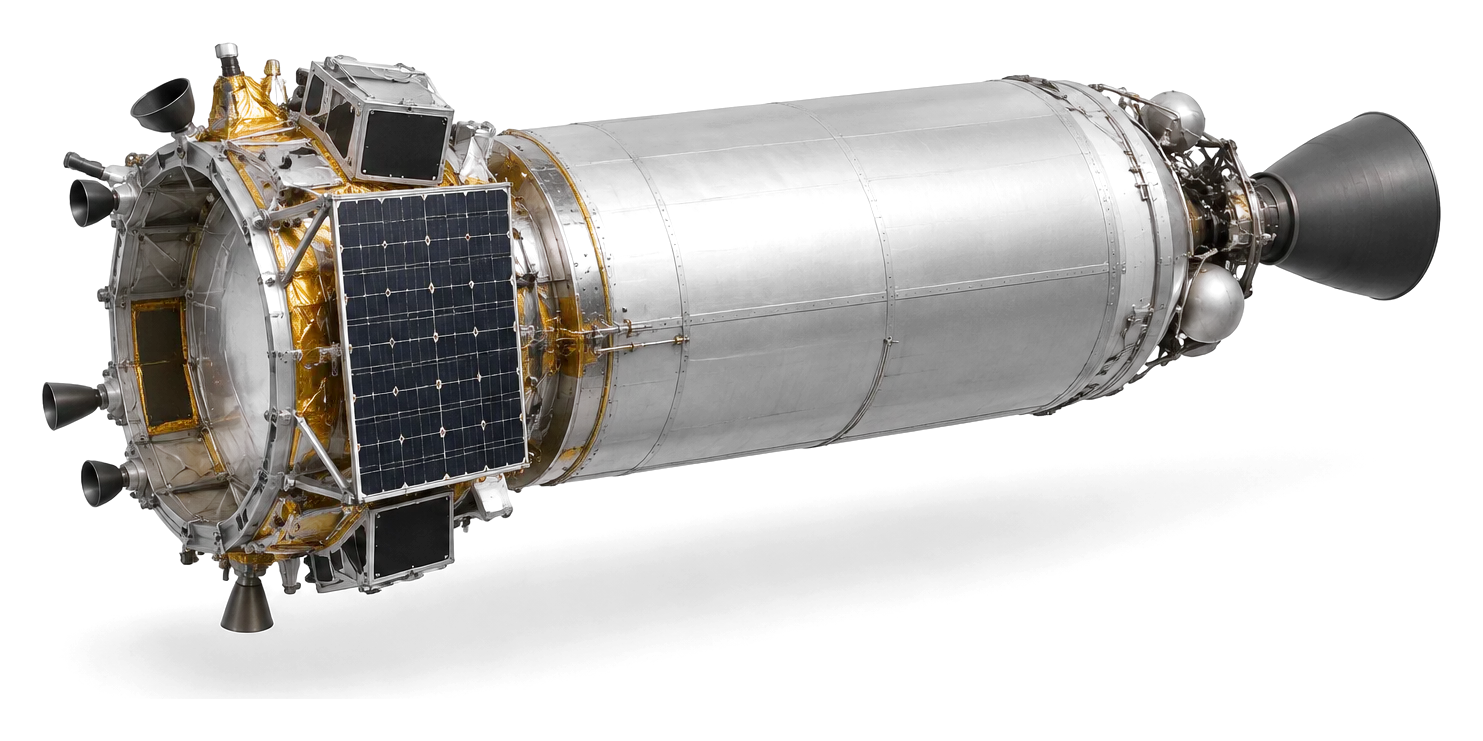
01My visible camera showed the debris cloud, but identifying water needed more than its appearance. Spectrometers examined light absorbed or emitted by materials, giving scientists clues about composition.
Different patterns in the light supported the same water story.
02Near-infrared observations supported water ice and vapor. Ultraviolet observations of hydroxyl fragments added another line of evidence. Instruments on LRO also watched the event, helping scientists compare independent observations.
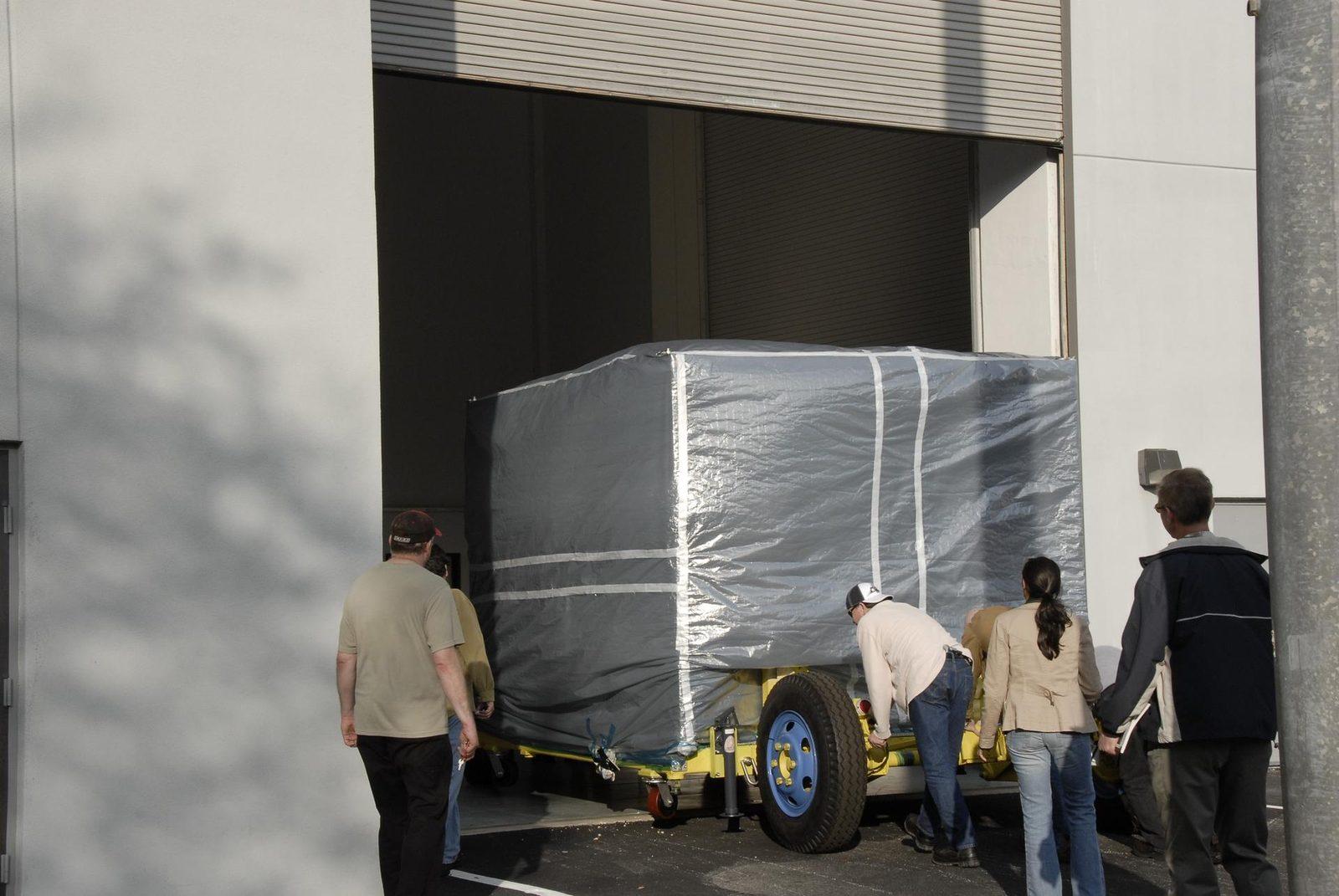
CAPE CANAVERAL, Fla.
LCROSSAfter analysis, scientists reported a number with an uncertainty.
NASA/Dimitri Gerondidakis
03The LCROSS result was an estimated 5.6 percent water by mass, with a reported uncertainty of 2.9 percentage points, for material at the studied impact site. That did not mean every shadowed crater had the same concentration or the whole crater was pure ice.
Water was important, but it was not the only new question.
04Other volatile compounds and light metals were discussed in the results, with some identifications tentative. NASA described a patchy distribution and a chemically active environment. Evidence of a resource still leaves questions about where it is and how it could be used.

The big idea

A measurement includes its uncertainty and its sampling location. Multiple instruments help test an interpretation without turning one site into a claim about the whole Moon.

Think about it

Does finding water at one impact site tell us how much is in every crater?

Fact file

Water estimate
5.6 ± 2.9% by mass
Reported for regolith at the LCROSS impact site in Cabeus. Not a whole-pole concentration, purity claim or guaranteed mining yield.
Source ↗
Results
Preliminary announcement: November 2009 / further results: October 2010
Impact observations preceded the analysis and announcements.
Source ↗

In this chapter: Near-infrared spectrometers, ultraviolet/visible spectrometer, cameras and LRO support

Sources: Main record · What is LCROSS? · NASA Ames · Analysis of Water Extraction From Lunar Regolith · NASA/TM-2012-217441 · LAMP Observes the LCROSS Impact · NASA SVS 3785

Machine illustration: AI-made. Photos: NASA Image and Video Library, credited on each picture.

Chapter 4 of 5

Next