Chapter 5 of 5

The impact that kept teaching

The shepherd's final impact, archived data and later crater research

Told in LCROSS’s imagined voice · the events are real · source
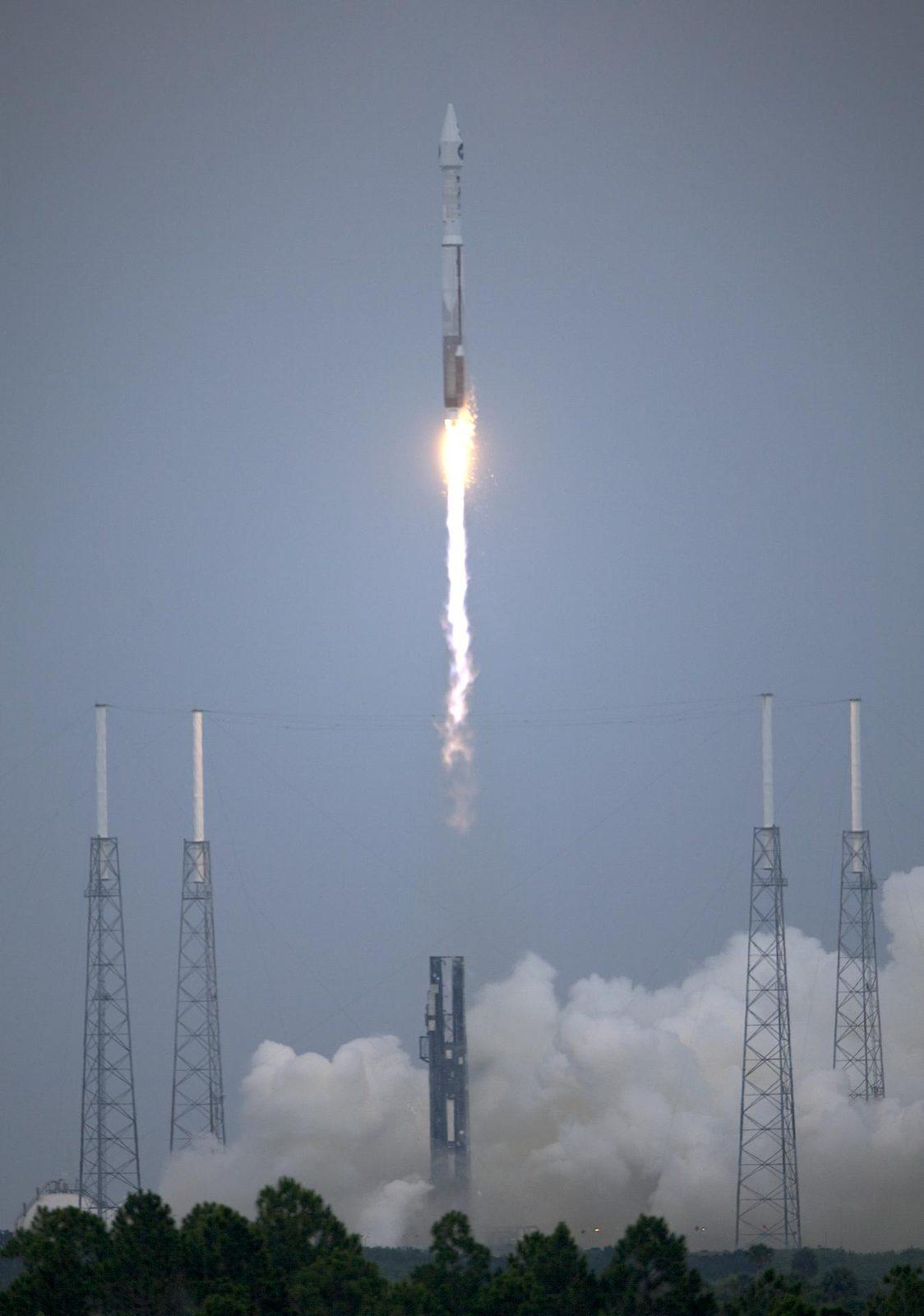
The Lunar Reconnaissance Orbiter and Lunar Crater Observation and Sensing Satellite are bound for the moon after a flawless liftoff Thursday, June 18, 2009, from Cape Canaveral Air Force Station in Florida aboard an Atla
LCROSSMy own impact ended the observing window.
NASA/Bill Ingalls
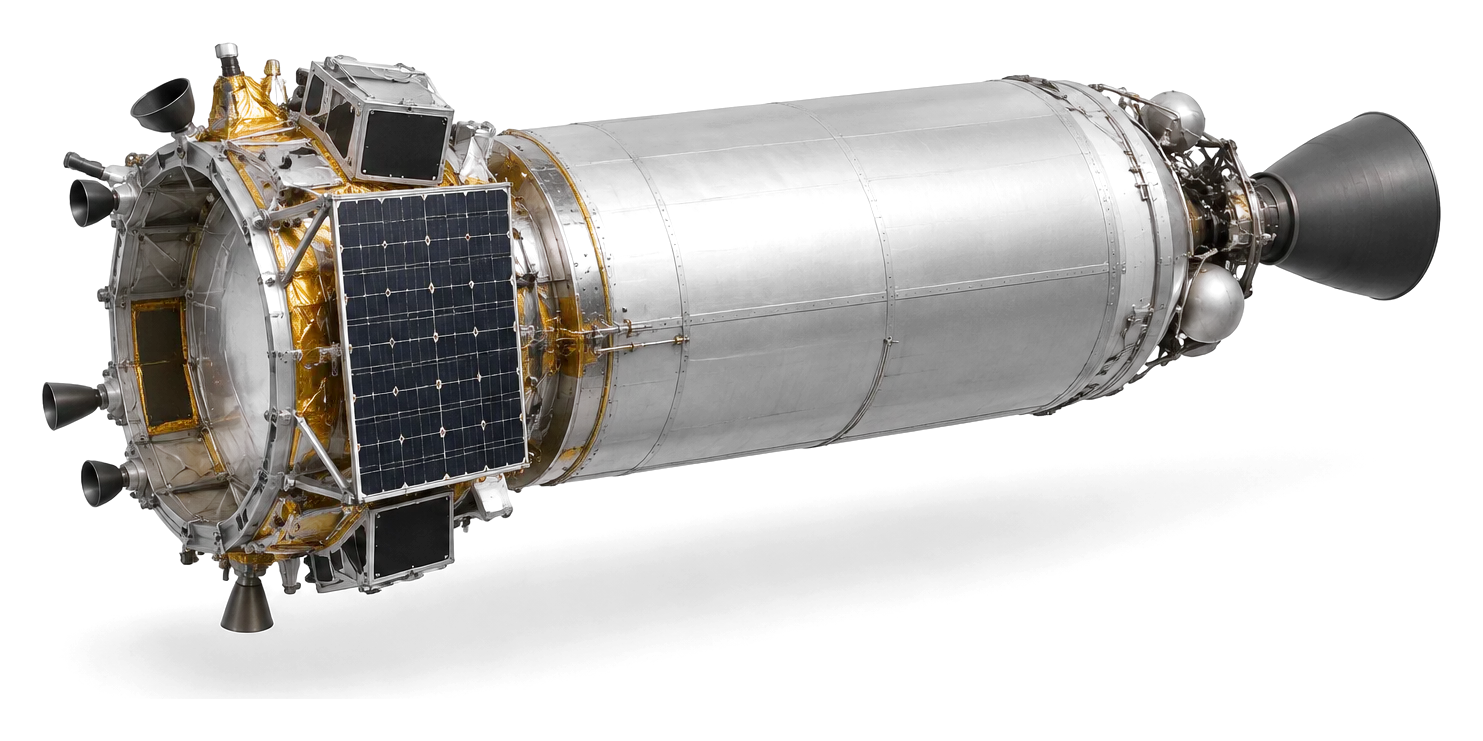
01Roughly four minutes after the Centaur, my shepherding spacecraft struck the Moon too. My instruments could no longer send observations, but the measurements already returned were preserved for analysis.
Sending the record home had required choices right to the end.
02The downlink could carry only so much data. During the final approach, camera sampling rates were reduced because images were not compressing as efficiently as expected. The operations report does not claim every picture reached Earth.
CAPE CANAVERAL, Fla.
LCROSSLater observers asked what our impact had left behind.
NASA/Kim Shiflett
03In 2024, instrument-team research combined Mini-RF radar with ShadowCam images to identify a likely impact crater at the Centaur site. Radar supplies its own illumination; ShadowCam, on Danuri, uses very faint reflected light. Neither technique is a switch that makes all darkness disappear.
The used hardware was gone, but the questions had not run out.
04The impact helped establish evidence for water in lunar polar material. Future explorers still need to learn its distribution, accessibility and extraction requirements. The records left on Earth—and the crater left on the Moon—are parts of the same continuing investigation.

The big idea

A mission can end while its evidence keeps supporting new research. Identifying a resource is different from demonstrating a safe, working way to extract it.

Think about it

What must we learn after discovering water before anyone can use it?

Fact file

Shepherd impact
9 October 2009 / approximately 11:35:36 UT
NSSDCA timing. Exact twin-crater positions are not independently adopted from the draft.
Source ↗
Later crater study
2024 / roughly 22 m candidate Centaur crater
Instrument-team abstract combines Mini-RF and ShadowCam. It does not certify two freshly identified impact craters.
Source ↗

In this chapter: Data handling and downlink, LRO LAMP, Mini-RF radar and Danuri's ShadowCam

Sources: Main record · LCROSS · NSSDCA Master Catalog · LAMP Observes the LCROSS Impact · NASA SVS 3785 · The LCROSS Impact Crater as Seen by ShadowCam and Mini-RF · LPSC 2024 abstract 1913 · NASA Moon Camera Mosaic Sheds Light on Lunar South Pole · Analysis of Water Extraction From Lunar Regolith · NASA/TM-2012-217441

Machine illustration: AI-made. Photos: NASA Image and Video Library, credited on each picture.

Chapter 5 of 5

Next book