Chapter 3 of 5

The dune that wouldn’t let go

Getting Opportunity out of Purgatory Dune in 2005

Told in Opportunity’s imagined voice · the events are real · source
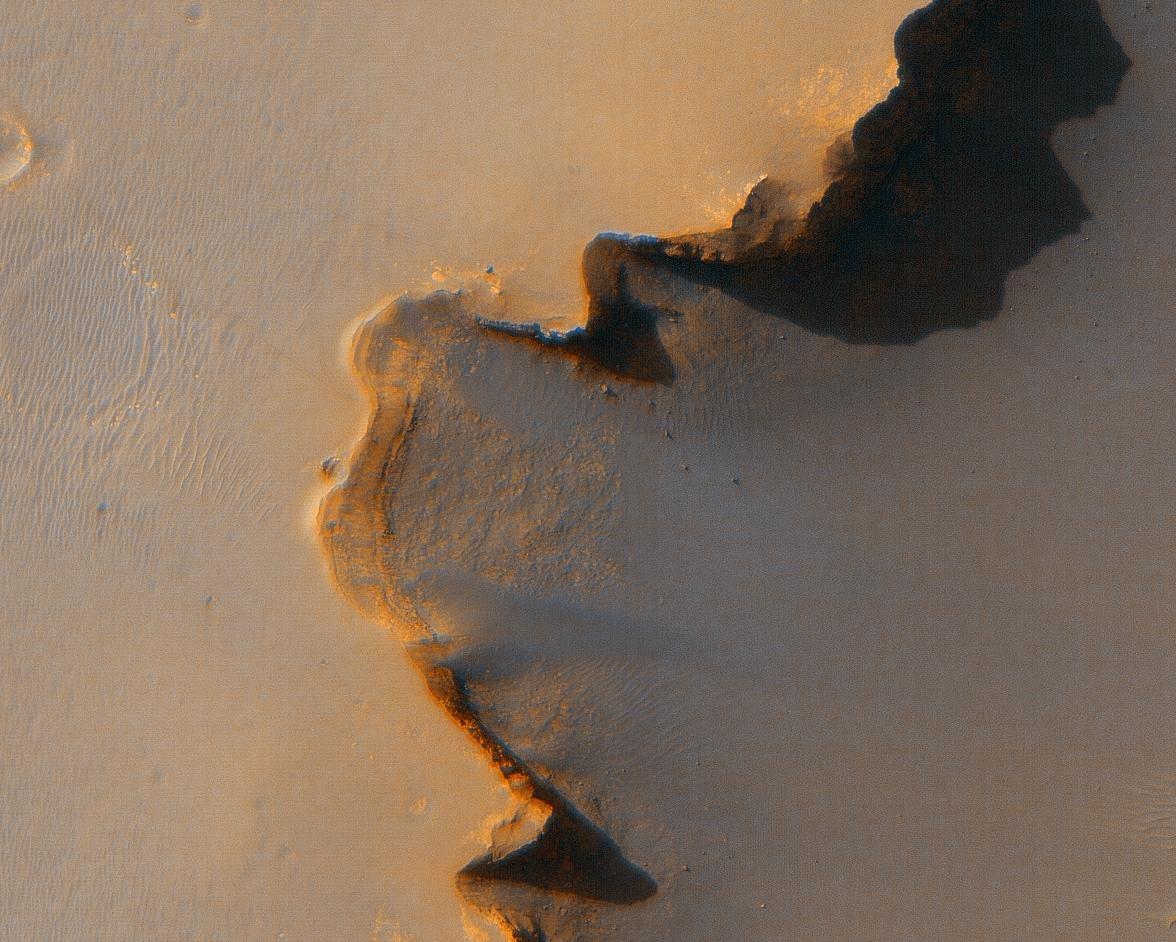
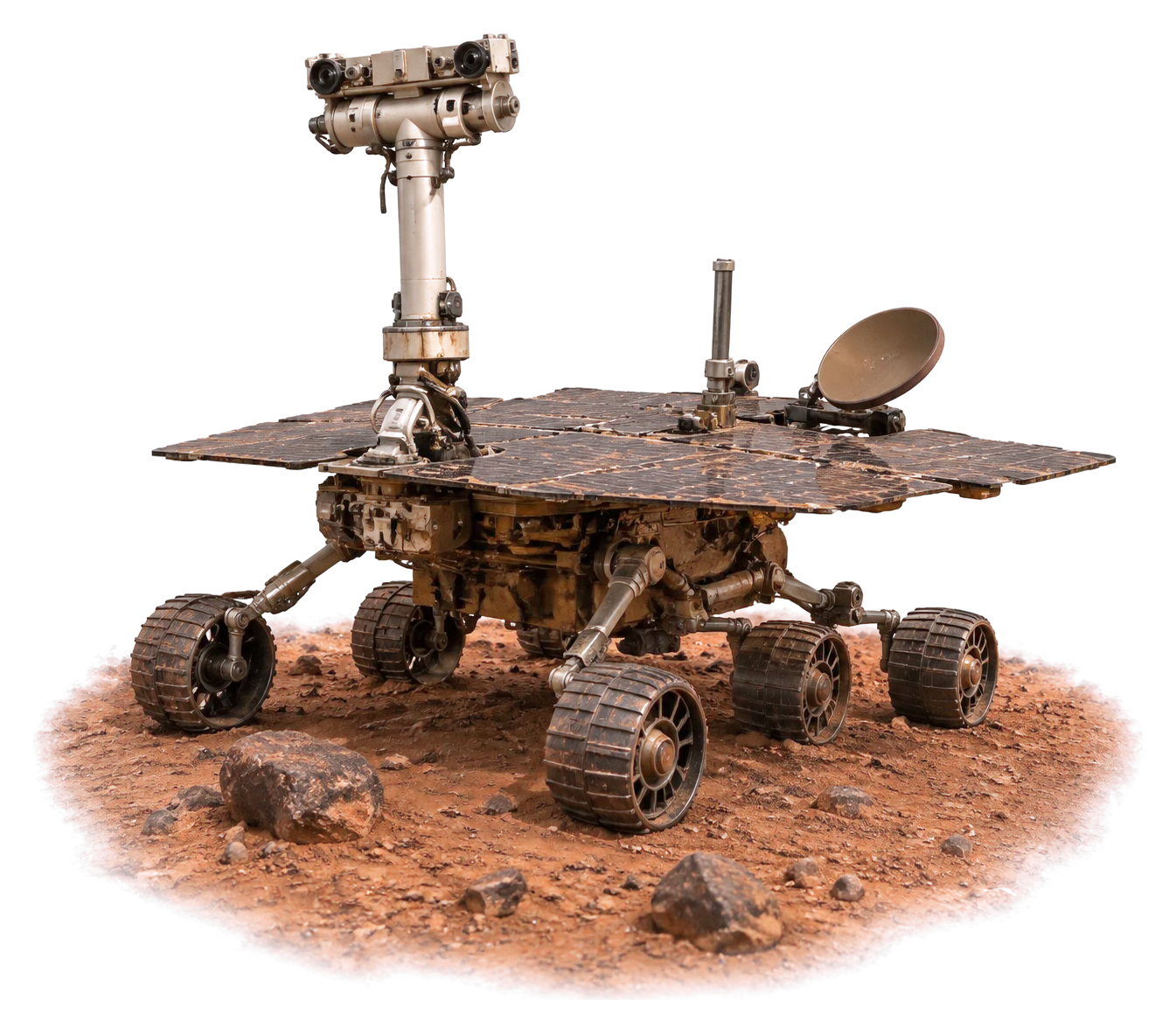
The Opportunity Rover at Victoria Crater
OpportunityFrom my camera, it looked like another ripple to cross. Under my wheels, it was a trap.
NASA/JPL/University of Arizona
01On Sol 446, my wheels dug into soft sandy material in Meridiani Planum. The wind-shaped ripple was only about one-third of a metre tall. The team named it Purgatory Dune. Small terrain could still bring a long journey to a stop.
My team didn’t simply tell me to spin harder.
02They used my pictures and instrument observations to study the sand, then tested escape ideas with a duplicate rover on Earth. They needed to understand what wheel motion would do before asking the machine on Mars to try it.
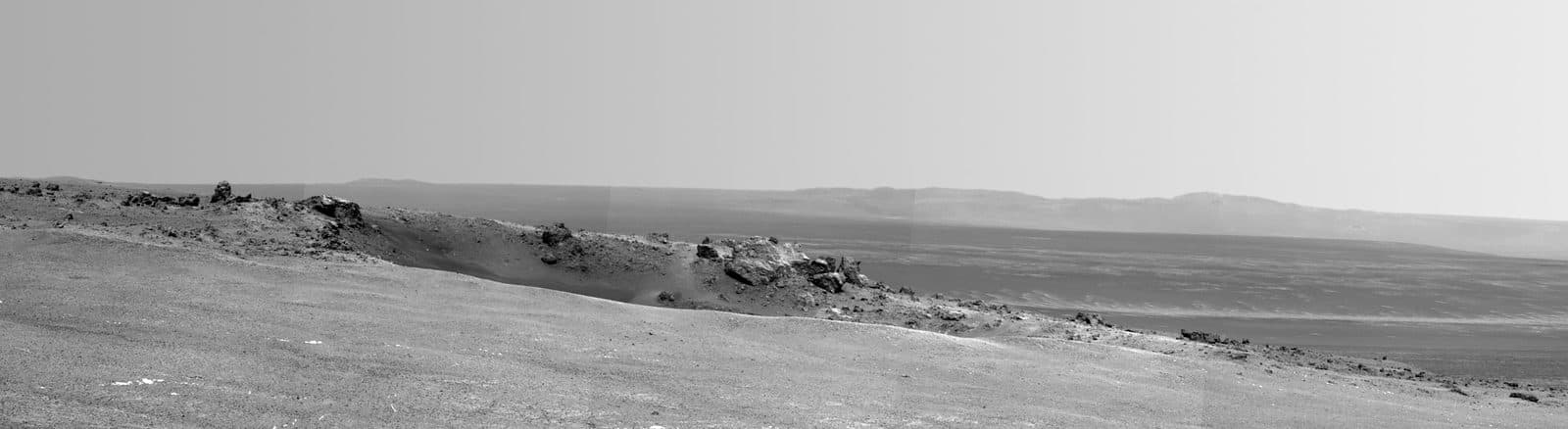
This scene captured by NASA Mars Exploration Rover Opportunity shows the Spirit Point area of the rim, including a small crater, Odyssey on the rim, and the interior of Endeavour beyond.
OpportunityA little movement. Check the pictures. Try again.
NASA/JPL-Caltech/Cornell/ASU
03The recovery took more than five weeks of planning, testing and carefully monitored driving. Short advances mattered. Turning wheels did not necessarily mean the rover was travelling the same distance; slipping wheels could keep digging instead.
At last, firmer ground. I could leave a picture of the trap behind me.
04After escaping, my navigation camera looked back at the ripple and the deep wheel tracks. JPL’s archived view was taken on Sol 491, a week after the rover reached firmer ground. Those tracks preserved what the wheels and sand had done to each other.

The big idea

Ground testing and feedback from the real spacecraft helped engineers make careful decisions far from the rover.

Think about it

Why can a spinning wheel report a long drive while the rover has barely moved?

Fact file

Became stuck
26 April 2005 / Sol 446
JPL identifies this as the day the wheels dug into the ripple.
Source ↗
Sand ripple
About one-third metre tall
The image caption gives an approximate height, not an exact shape reconstructed by this illustration.
Source ↗
Recovery effort
More than five weeks
Planning, Earth testing and carefully monitored driving—not a claim of identical centimetres gained every day.
Source ↗

In this chapter: Cleated wheels, cameras, rover-driving commands and an Earth test rover

Sources: Main record · JPL Education · Testing a way out on Earth

Machine illustration: AI-made. Photos: NASA Image and Video Library, credited on each picture.

Chapter 3 of 5

Next