Chapter 5 of 5
A winter farewell
Last signal, winter frost and the Visions of Mars artifact
Told in Phoenix’s imagined voice · the events are real · source
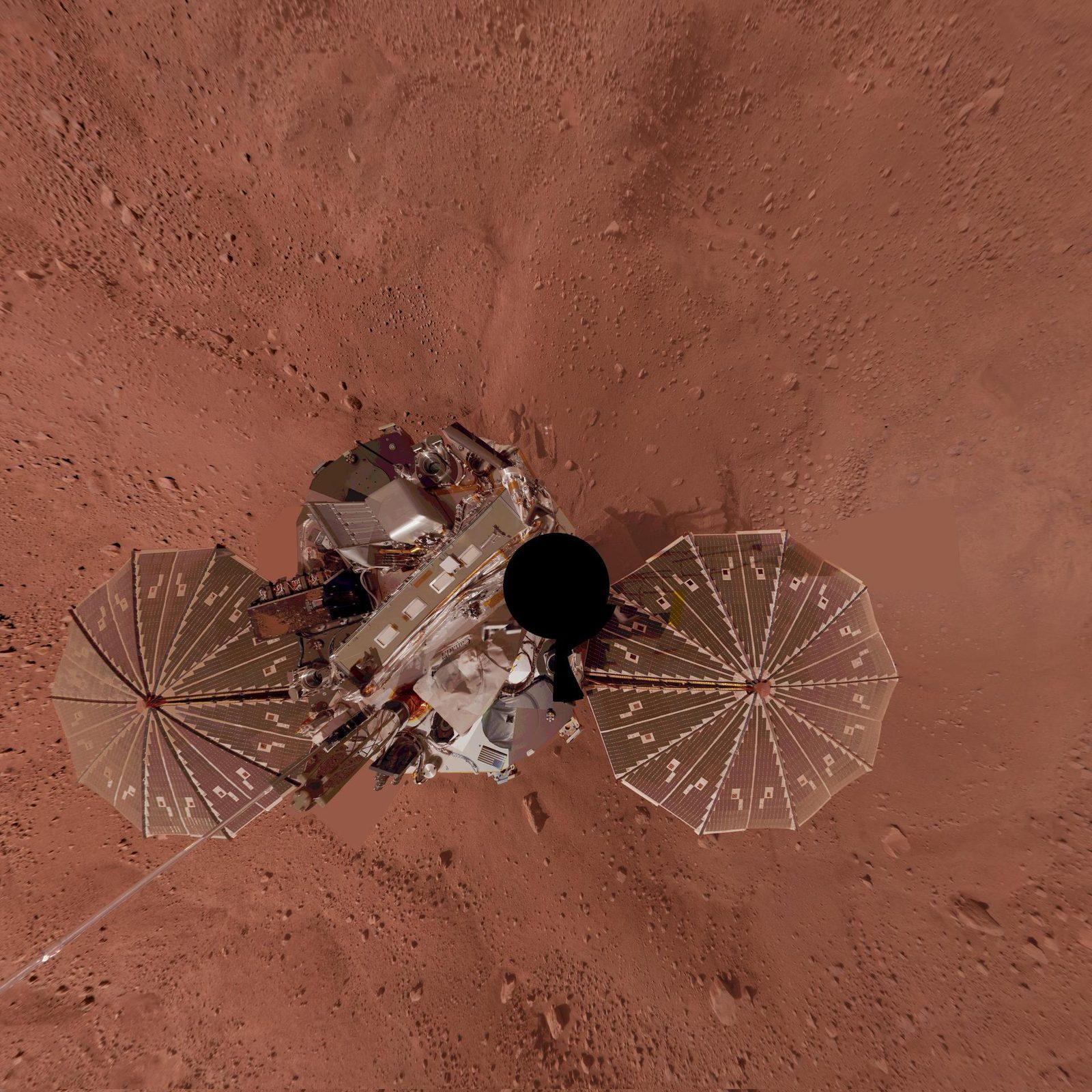
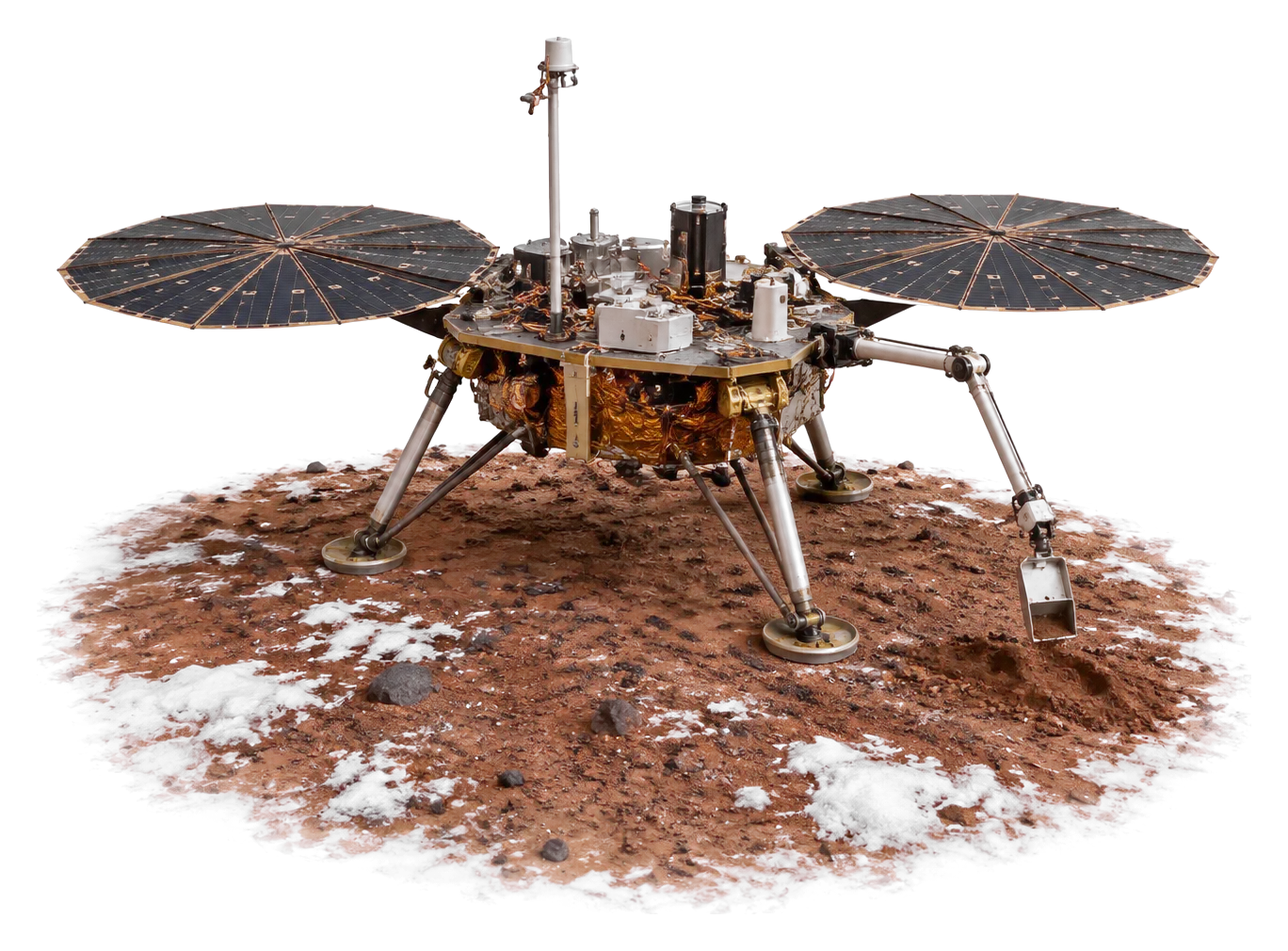
Winter covered the whole north.
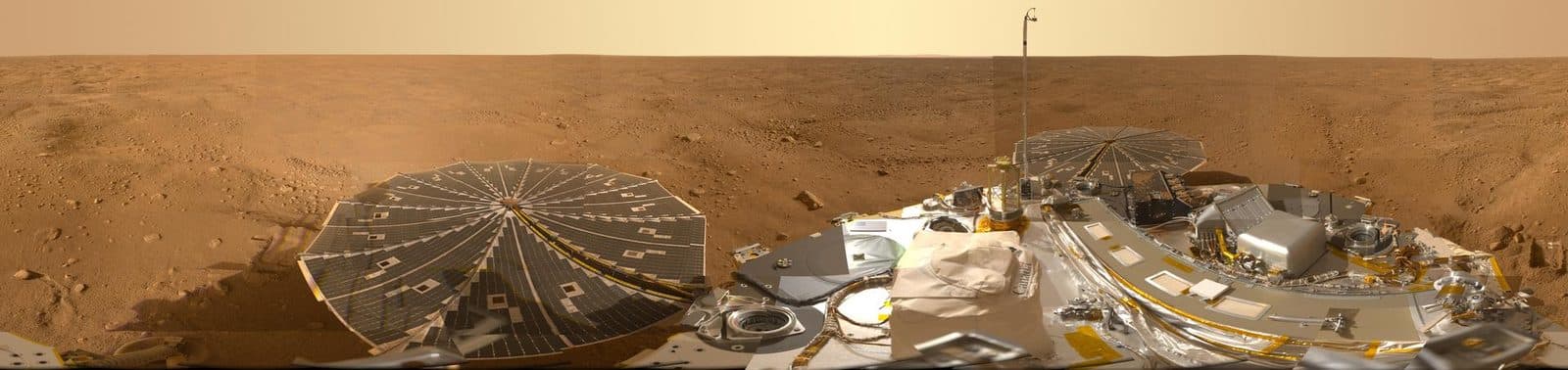
PhoenixThe before-and-after shadow told the story.
A library still waits on my deck.
The big idea
Orbital before-and-after images can reveal what a silent lander experienced through winter.
Think about it
How can a shadow in a later photograph tell us about a winter no camera witnessed?
Fact file
- Last signal
- 2 November 2008
- NSSDCA records the last signal on this date; mission energy declined through the northern autumn.
- Source ↗
- After-winter image
- ESP_017716_2485 / 7 May 2010
- HiRISE interprets the missing west-panel shadow as likely collapse under winter CO2 frost.
- Source ↗
- Archival names
- 250,000 names
- The Planetary Society describes the Visions of Mars DVD as containing 250,000 names; exact contents and lifetime are not asserted here.
- Source ↗
In this chapter: Solar wings, batteries, UHF relay and HiRISE orbital imaging
Sources: Main record · Phoenix Lander after One Mars Year (ESP_017716_2485) · HiRISE · Visions of Mars · The Planetary Society
Machine illustration: AI-made. Photos: NASA Image and Video Library, credited on each picture.