Chapter 5 of 5

The long shadow

The end of imaging, later engineering contact and an orbital view

Told in Surveyor 1’s imagined voice · the events are real · source
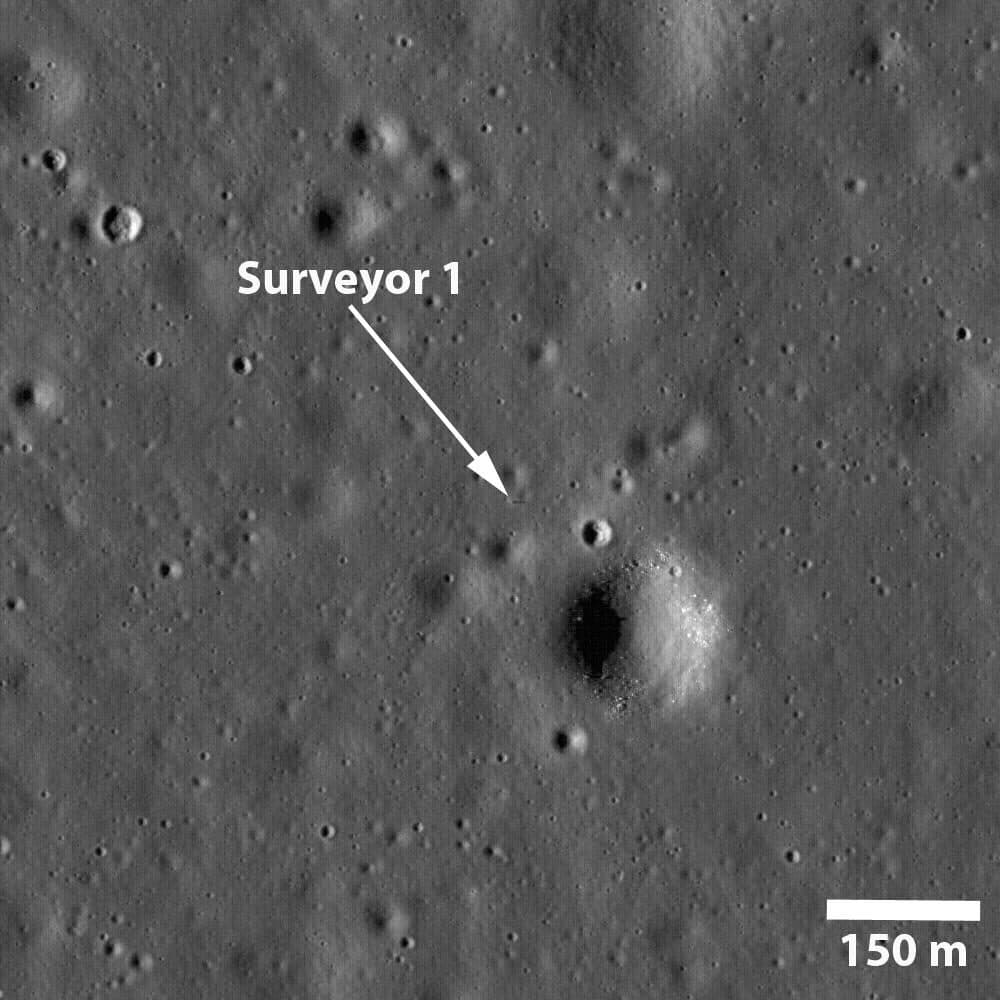
NASA Surveyor 1 spacecraft sitting silently on Oceanus Procellarum, the first US spacecraft to land on another planet on June 2, 1966 in this image taken by NASA Lunar Reconnaissance Orbiter.
Surveyor 1My picture-taking ended before my last radio contact.
NASA/GSFC/Arizona State University
01At the second sunset in July 1966, battery voltage fell and imaging operations ended. Engineers still made intermittent contact afterward. The final contact date in NASA’s record is January 7, 1967.
The pictures had already become evidence for the next explorers.
02More than eleven thousand images, along with engineering data, helped researchers understand lunar ground and spacecraft performance. Surveyor missions and Lunar Orbiter observations contributed to Apollo preparations; no single photograph certified the whole Moon safe.
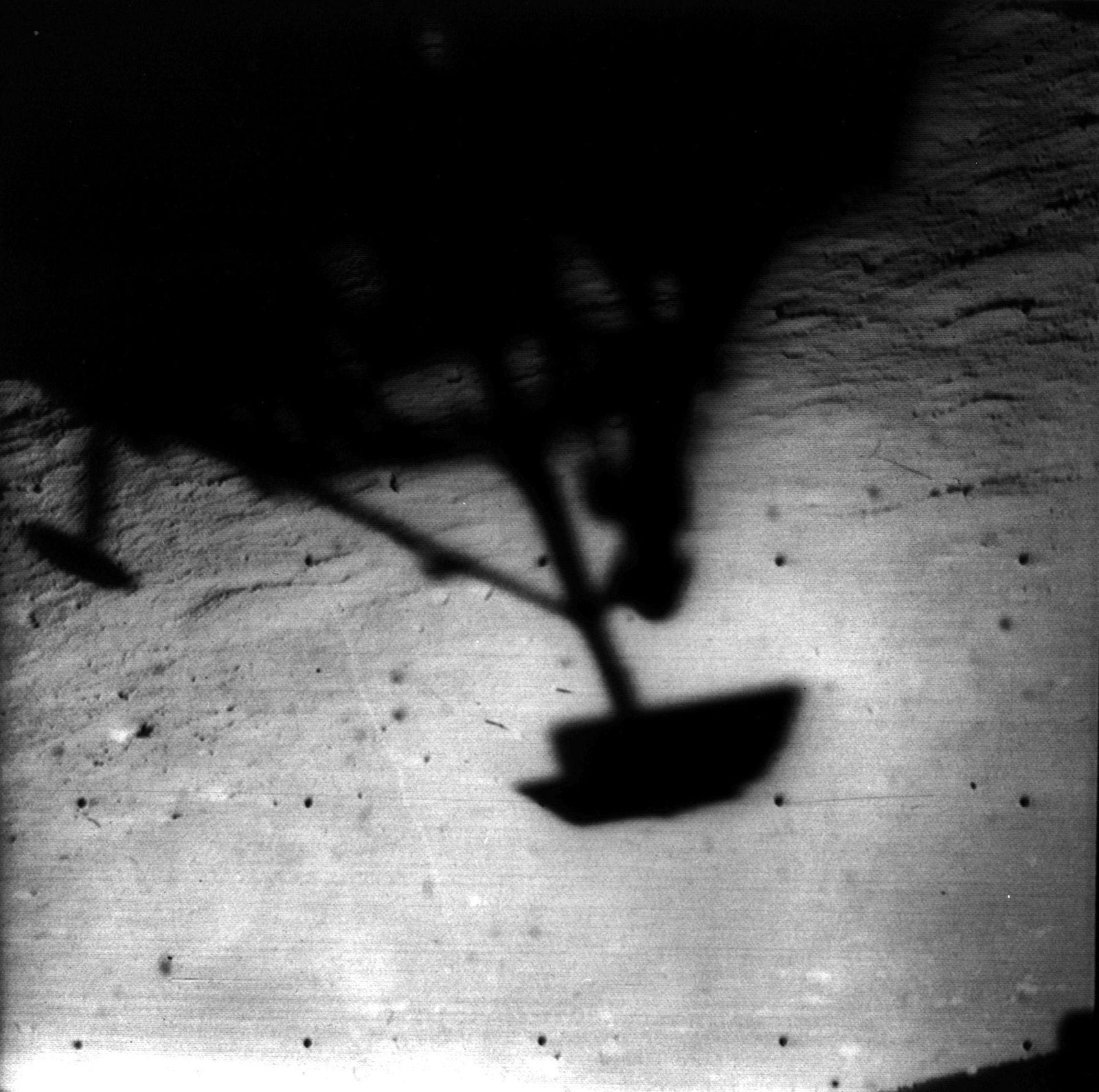
Image of Surveyor 1 shadow against the lunar surface in the late lunar afternoon, with the horizon at the upper right.
Surveyor 1Decades later, another camera looked for me from above.
NASA/JPL
03Lunar Reconnaissance Orbiter imaged my site in Oceanus Procellarum. With the Sun low in the western sky, my hardware cast a long shadow eastward. The LROC feature describes it as almost fifteen meters long, helping identify the small spacecraft.
My shadow is a clue. My records tell the fuller story.
04A shadow changes as the lighting changes. It can help locate hardware, but cannot tell us whether a radio works or every part is intact. My frame stayed on the Moon. The evidence sent home is still here for you to explore.

The big idea

Abandoned hardware can remain visible long after contact ends. Interpreting its image requires lighting geometry and a distinction between location and working condition.

Think about it

Does a longer shadow mean the spacecraft has grown taller?

Fact file

Images returned
More than 11,000
July 1966 report: 11,150; later NASA summaries: 11,240. Differing counts are retained in the evidence ledger.
Source ↗
Last engineering contact
7 January 1967
Intermittent contact continued after July 1966 imaging. No invented farewell words or exact final time.
Source ↗
LROC observation
Published 30 September 2009 / almost 15 m shadow
Length describes the cited afternoon view, not a permanent shadow or proof of electronic health.
Source ↗

In this chapter: Radio system, camera archive, standing spacecraft and LROC imaging

Sources: Main record · Surveyor 1 · NASA Science · Surveyor 1 — America’s First Soft Lunar Landing · LROC · Coordinates of Lunar Anthropogenic Targets · LROC · Surveyor I Mission · July 28, 1966

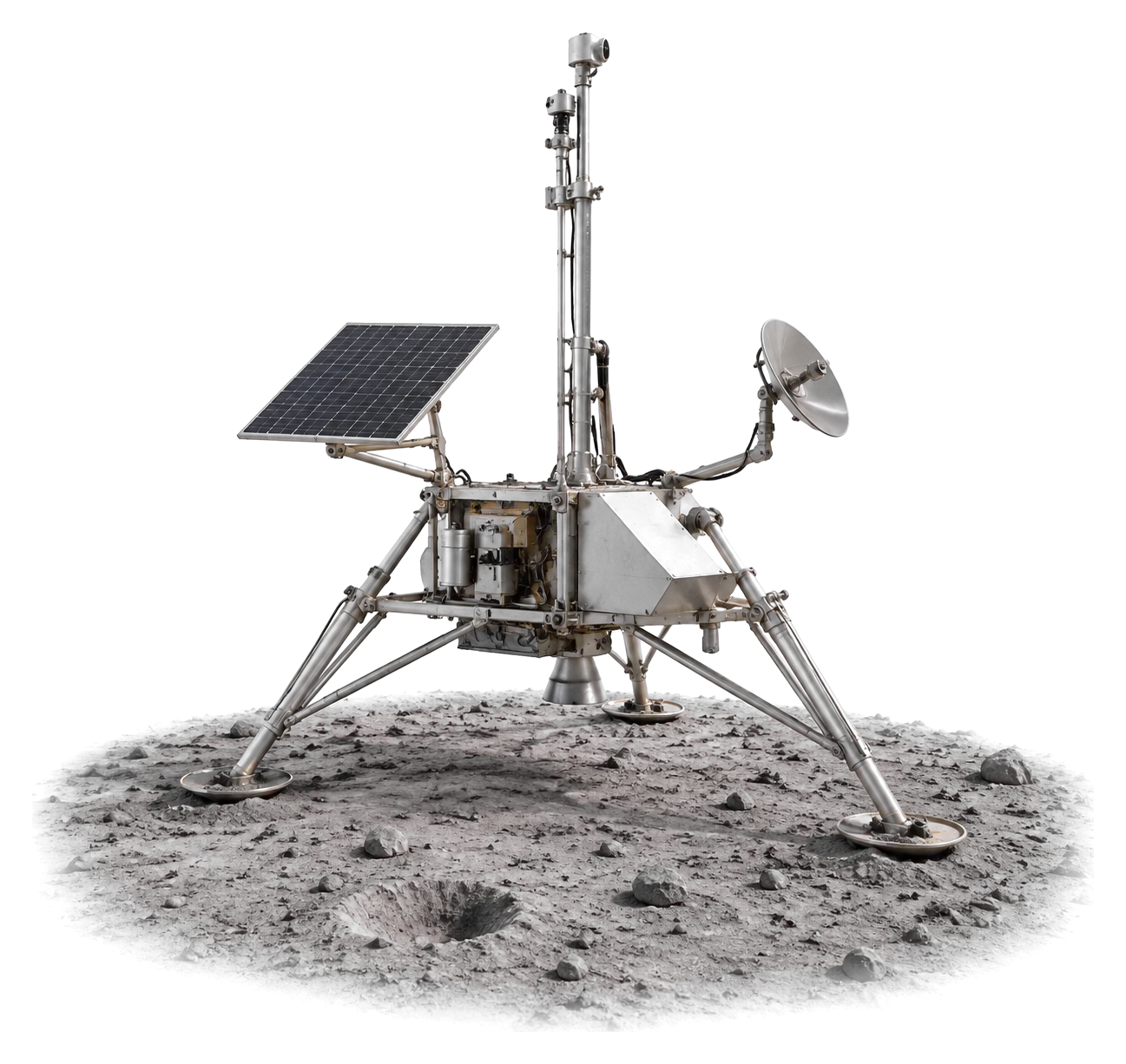
Machine illustration: AI-made. Photos: NASA Image and Video Library, credited on each picture.

Chapter 5 of 5

Next book