Chapter 4 of 5

Through the long night

Night survival, careful charging and a damaged radiator segment

Told in Surveyor 1’s imagined voice · the events are real · source
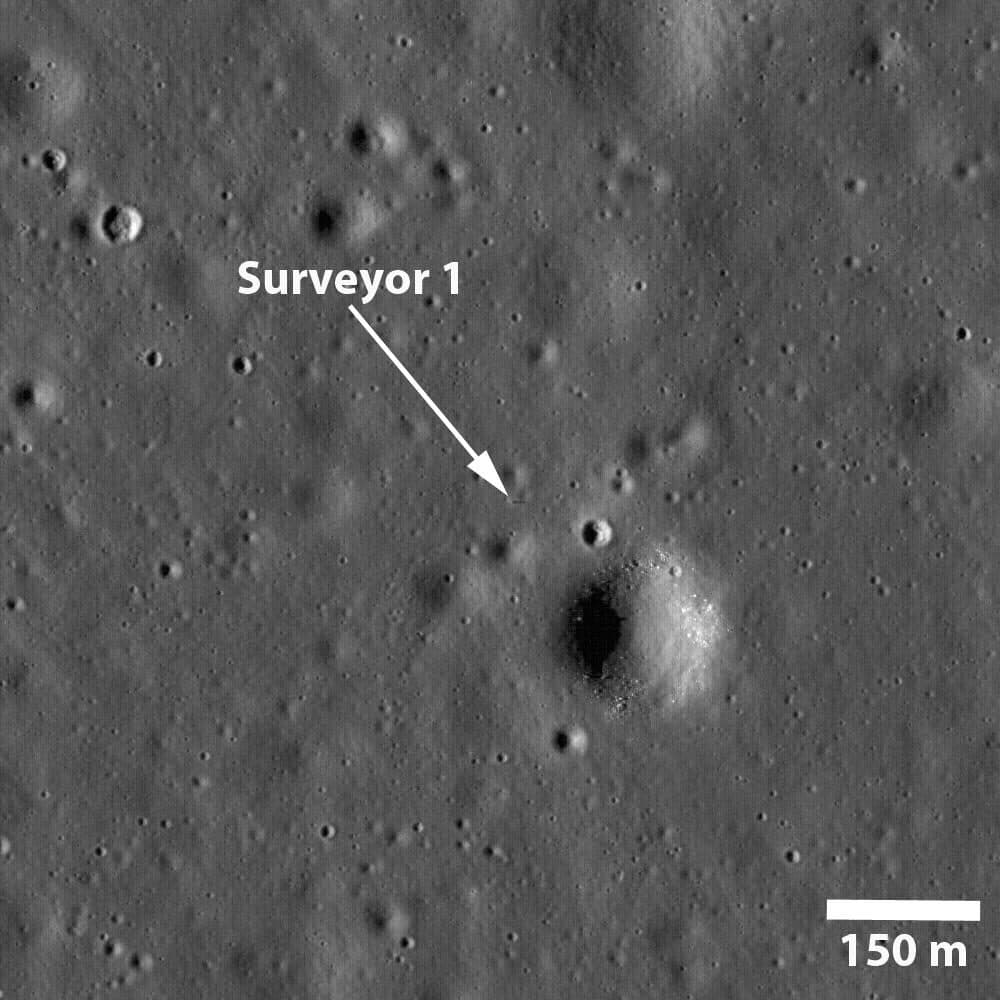
NASA Surveyor 1 spacecraft sitting silently on Oceanus Procellarum, the first US spacecraft to land on another planet on June 2, 1966 in this image taken by NASA Lunar Reconnaissance Orbiter.
Surveyor 1A long night asked a different kind of question of my hardware.
NASA/GSFC/Arizona State University
01When the first lunar day ended in June, my team prepared me to conserve power. Insulation, thermal-control equipment and stored battery energy mattered while the solar cells had no direct sunlight. Survival through the night was uncertain.
On July 6, I answered again.
02Earlier calls after dawn had brought no response. Once contact returned, engineers carefully positioned my solar panel to recharge the weakened battery. They checked the camera on July 7 and could begin a second day of observations.
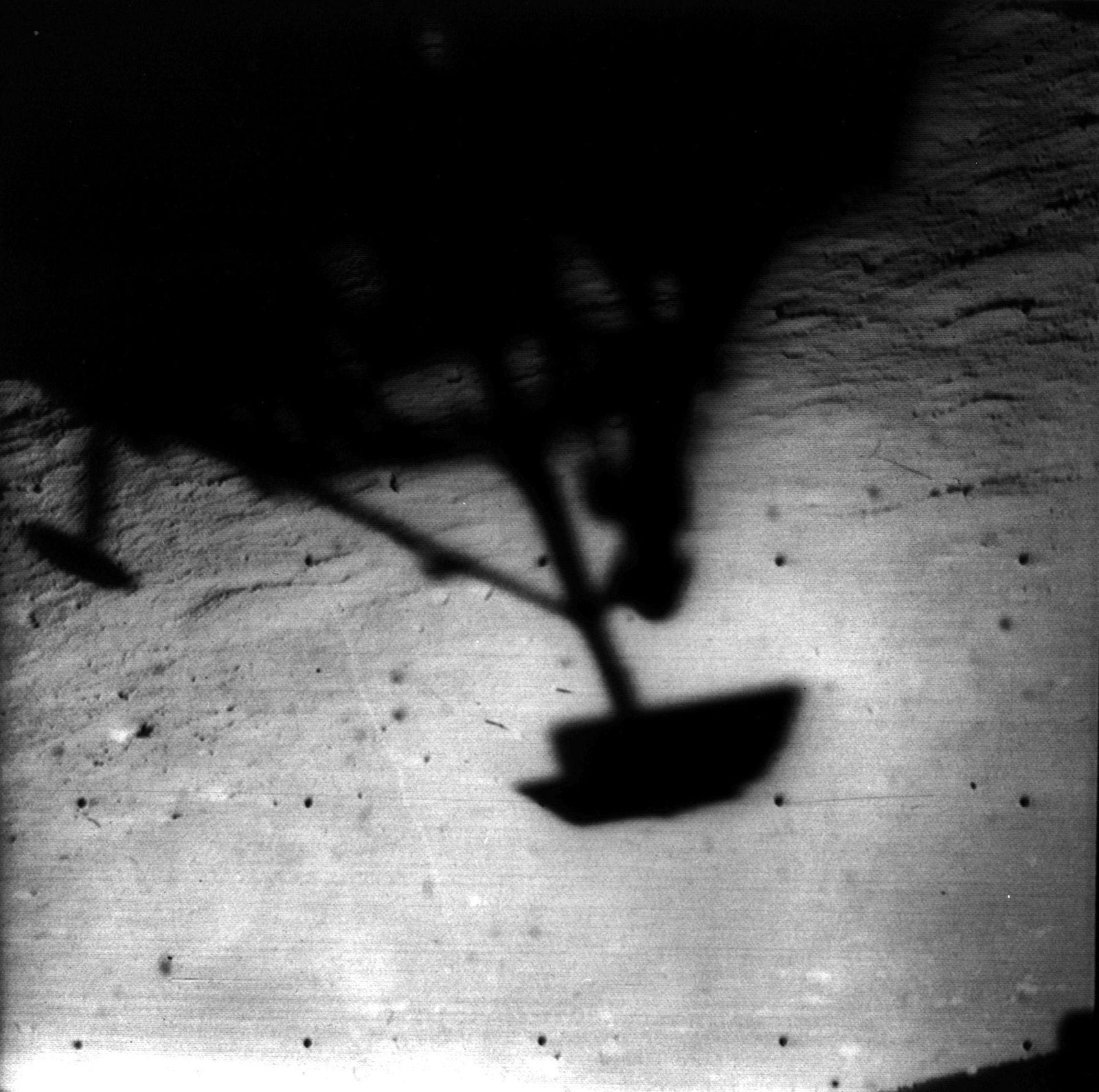
Image of Surveyor 1 shadow against the lunar surface in the late lunar afternoon, with the horizon at the upper right.
Surveyor 1More sunlight was not always the answer.
NASA/JPL
03When the battery began overheating, the team turned the panel away from the Sun to reduce charging. Temperatures later fell and picture-taking continued. Engineers suspected an internal short; they did not know why the battery temporarily recovered.
A picture showed a scar, but it was not the whole diagnosis.
04A July 12 inspection showed one broken glass segment on a thermal radiator above Compartment A. It was probably damaged during the lunar night. The reported effect was negligible: the broken segment was not my camera mirror and was not established as the cause of the battery trouble.

The big idea

Managing energy also means managing heat. A visible damaged part and a system failure may have different causes.

Think about it

Why might engineers deliberately turn a solar panel away from the Sun?

Fact file

Contact restored
6 July 1966
The contemporary report separates this response from resumed camera operations on July 7.
Source ↗
Battery response
Reduced charging during overheating
The team turned the panel away; an internal short was suspected. The reason for temporary recovery was not known.
Source ↗
Radiator photograph
12 July 1966 / Part II, Fig. A-2
One glass radiator segment apparently broke during the night. Reported effect on performance was negligible.
Source ↗

In this chapter: Solar panel, silver-zinc battery, thermal insulation, heaters and mirrored radiator surfaces

Sources: Main record · Surveyor I Mission Report, Part II · Scientific Data and Results · Surveyor I Mission Report, Part I · JPL TR 32-1023 · 55 Years Ago: Surveyor 1 Makes a Soft Landing on the Moon

Machine illustration: AI-made. Photos: NASA Image and Video Library, credited on each picture.

Chapter 4 of 5

Next