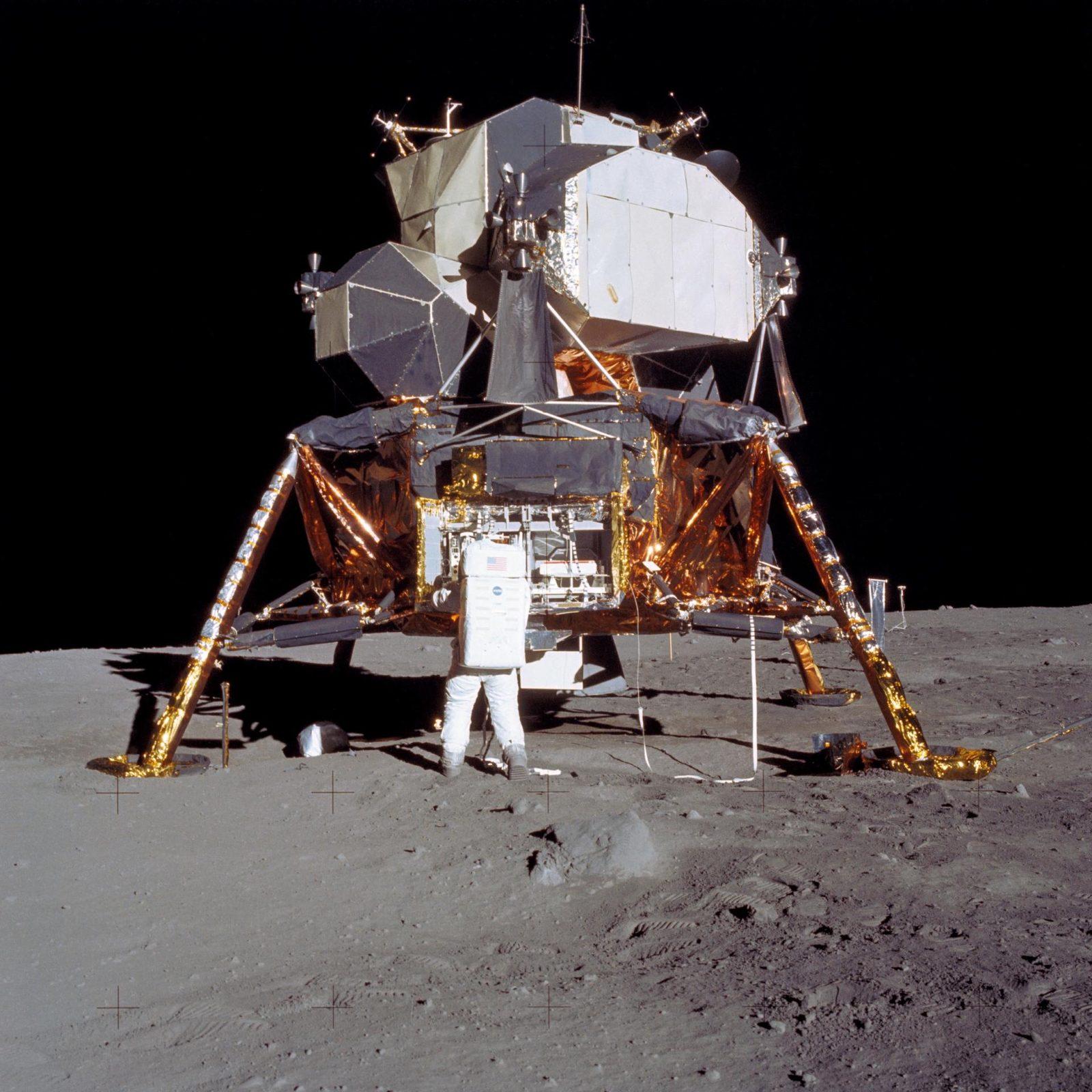
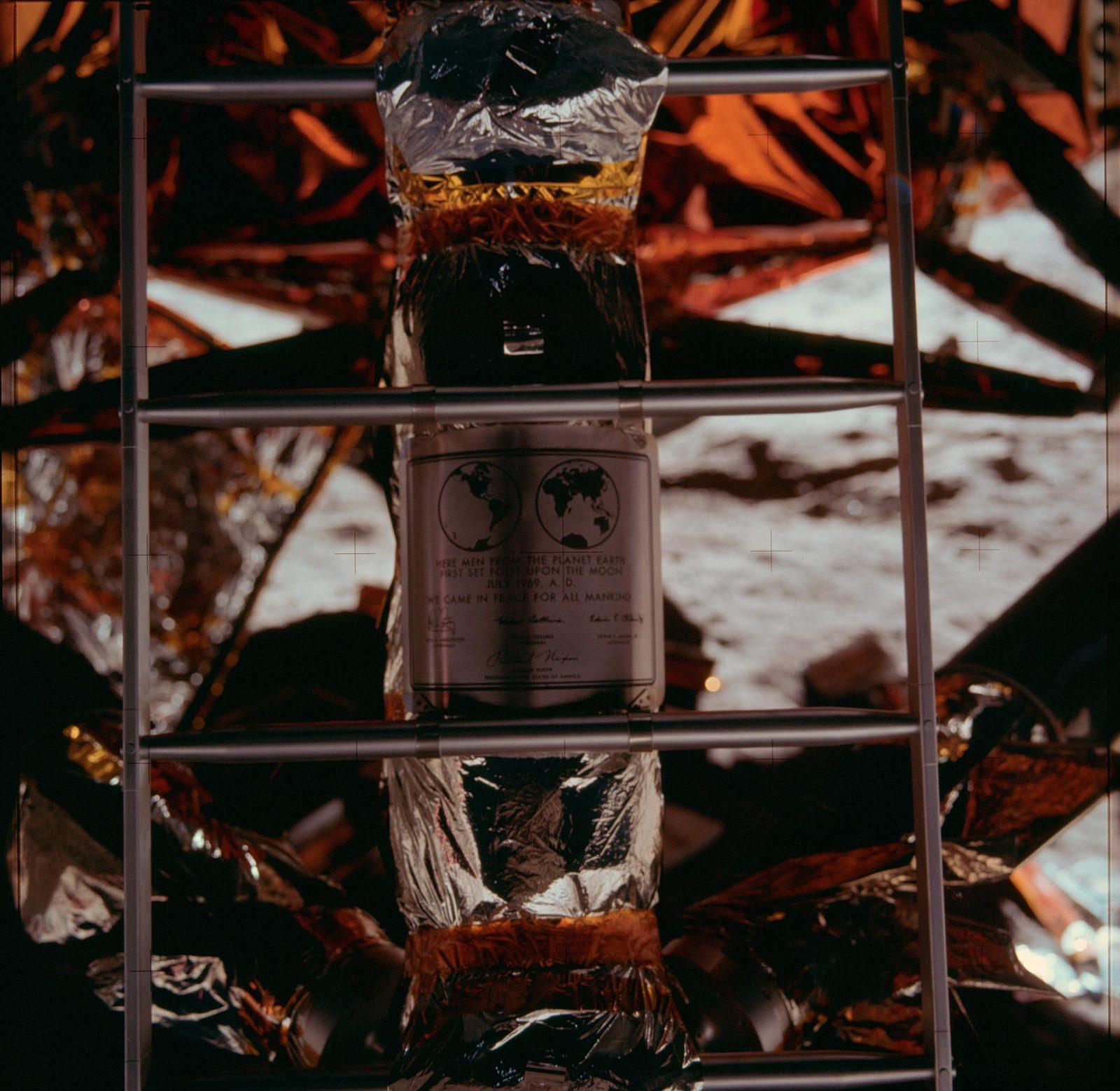
Eagle was the Apollo 11 Lunar Module, built by Grumman, that carried Neil Armstrong and Buzz Aldrin to the first crewed landing on the Moon on 20 July 1969. Its descent stage, with a commemorative plaque on one leg, served as the launch pad for their return and still stands at Tranquility Base.
Why it was built
Apollo 11's primary objective was to complete the national goal President John F. Kennedy set on 25 May 1961: land people on the Moon and return them to Earth. The Lunar Module was the part of the spacecraft built to make the landing; the command module Columbia stayed in lunar orbit with Michael Collins.
Two stages
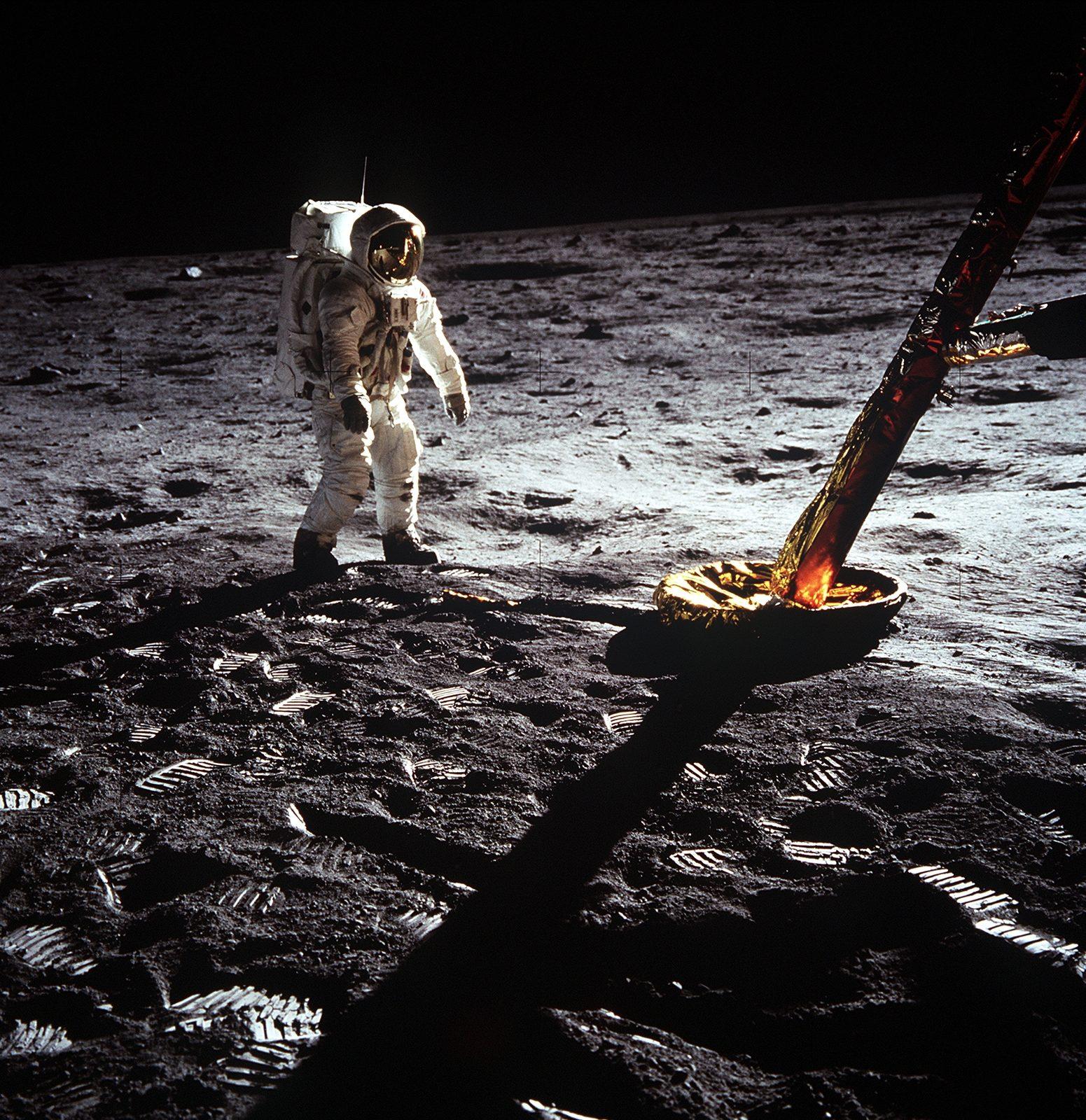
The Lunar Module had a descent stage, with the landing engine, legs and footpads, and an ascent stage, the crew cabin with its own engine. Long rods under the footpads were surface-sensing probes: on contact they signalled the crew to shut down the descent engine.
The landing
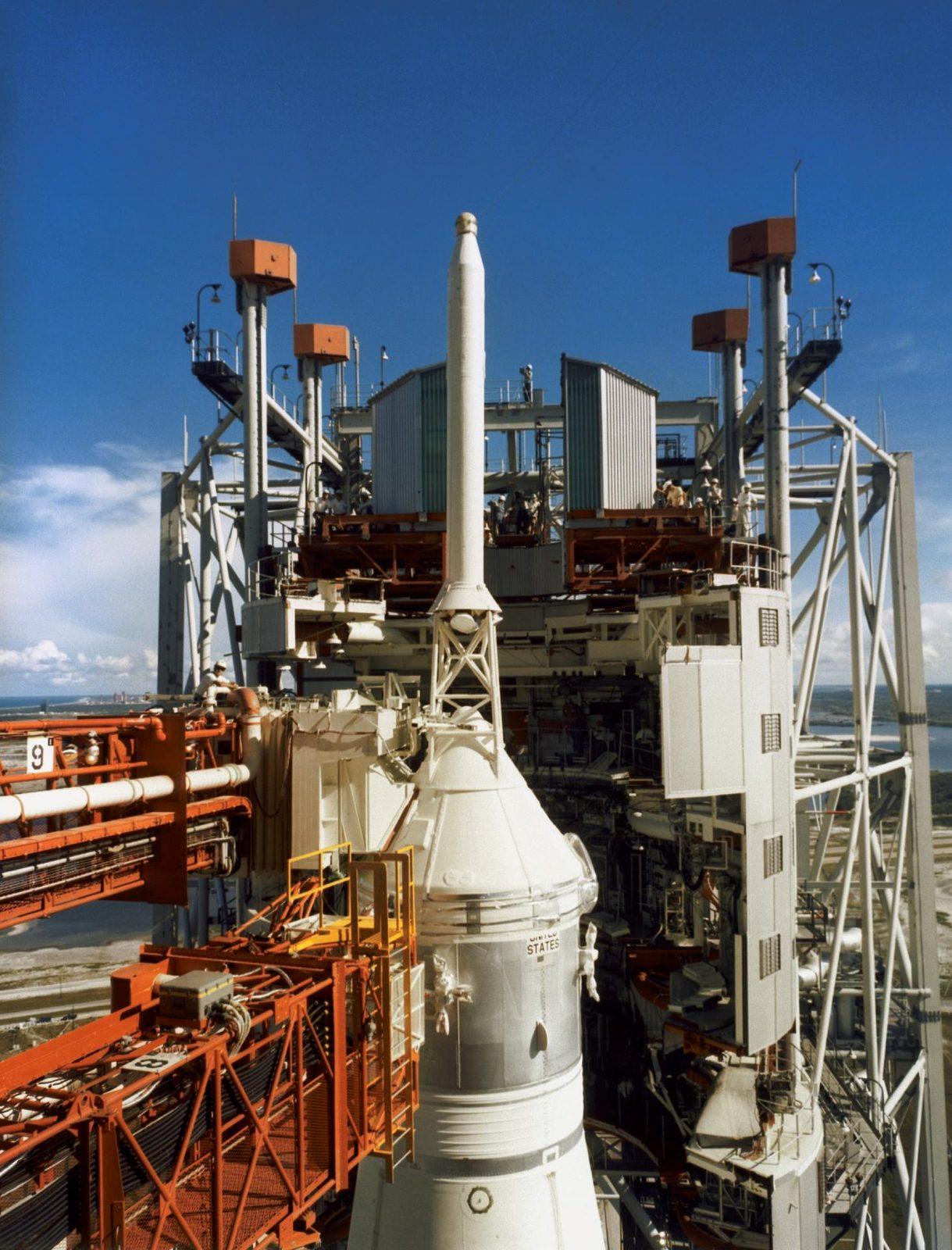
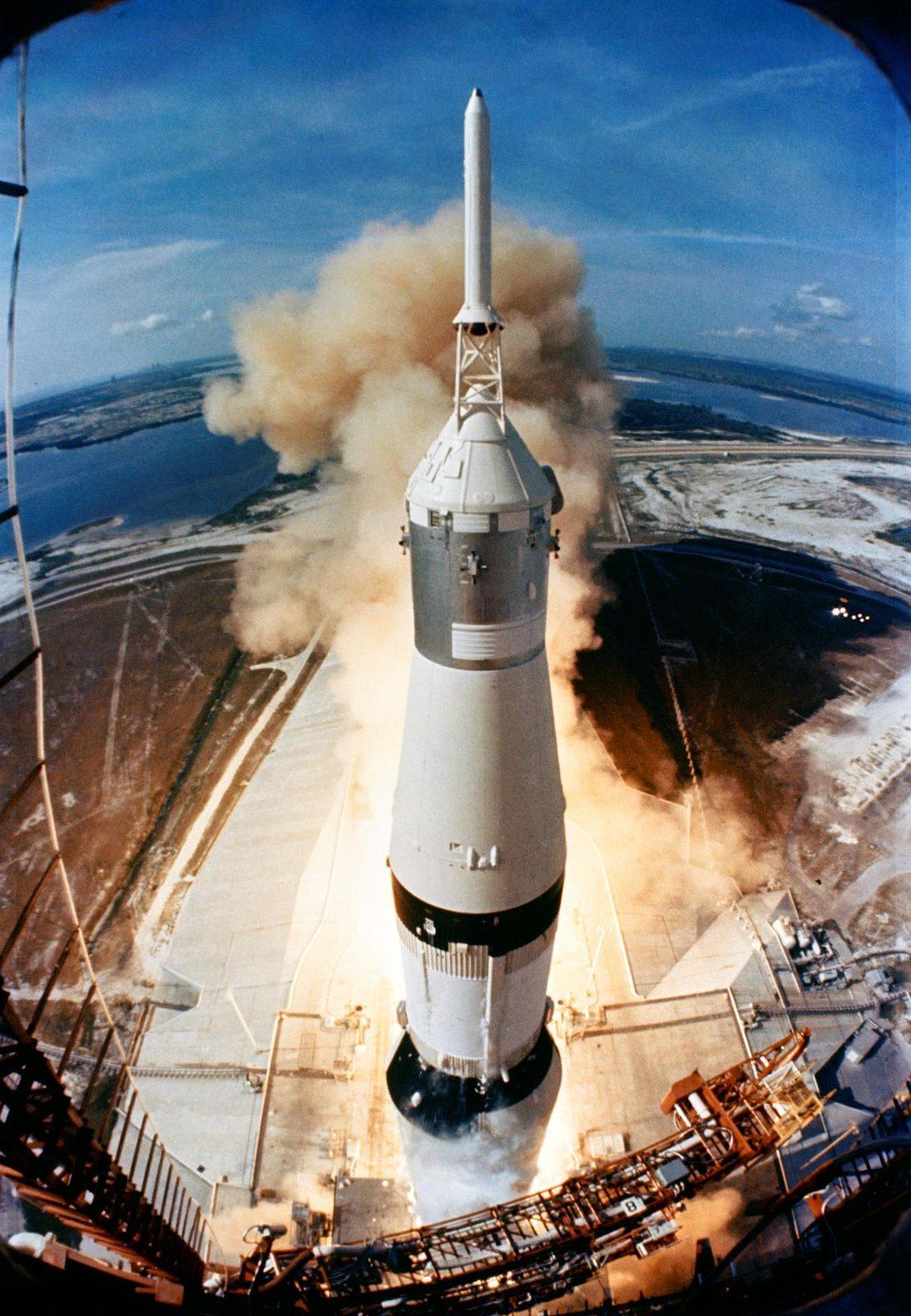
Apollo 11 launched from Cape Kennedy at 9:32 a.m. EDT on 16 July 1969. On 20 July, Eagle undocked from Columbia and began its powered descent, the engine firing for 756.3 seconds. Near the bottom, Armstrong took partial manual control and steered past an area littered with boulders.
Eagle landed in the Sea of Tranquility at 4:17 p.m. EDT, at 0°41′15″ N, 23°26′ E, about four miles downrange of the planned point and almost a minute and a half early. NASA's account says only 30 seconds of fuel remained. Armstrong radioed: "Houston, Tranquility Base here. The Eagle has landed."
21 hours at Tranquility Base
Armstrong stepped onto the Moon at about 109 hours 42 minutes into the mission, and Aldrin followed about 20 minutes later. In a moonwalk of more than two and a half hours they ranged up to 300 feet from Eagle, set up a seismic experiment, a laser reflector and a solar wind experiment, and gathered samples. Aldrin described the view as "magnificent desolation."
They spent 21 hours 36 minutes on the surface in all.
Left behind
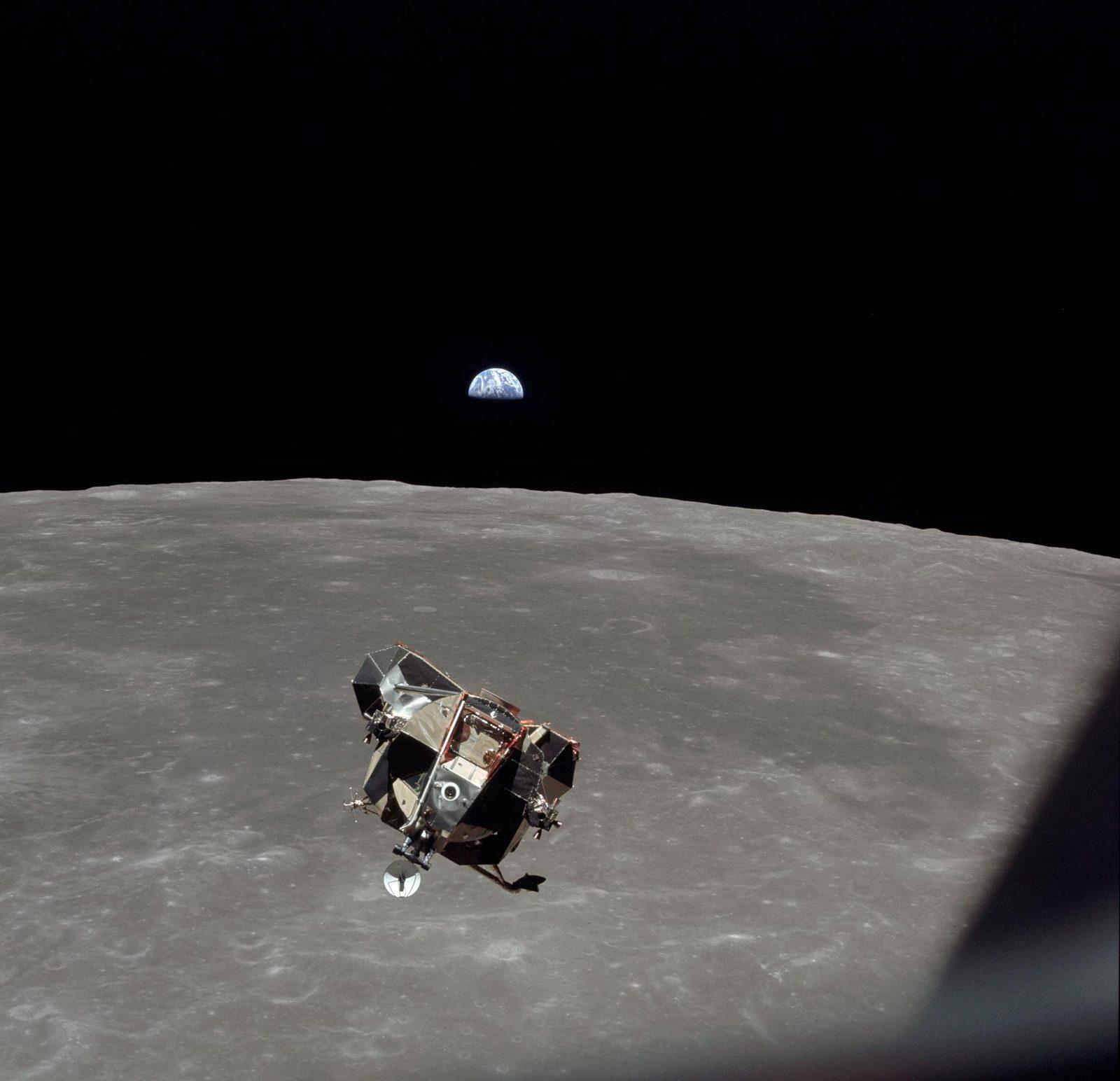
After a rest that included seven hours of sleep, the ascent stage engine fired at 124 hours 22 minutes and burned for 435 seconds, lifting Armstrong and Aldrin off the descent stage and into lunar orbit to dock with Columbia. The ascent stage was later jettisoned and left in lunar orbit.
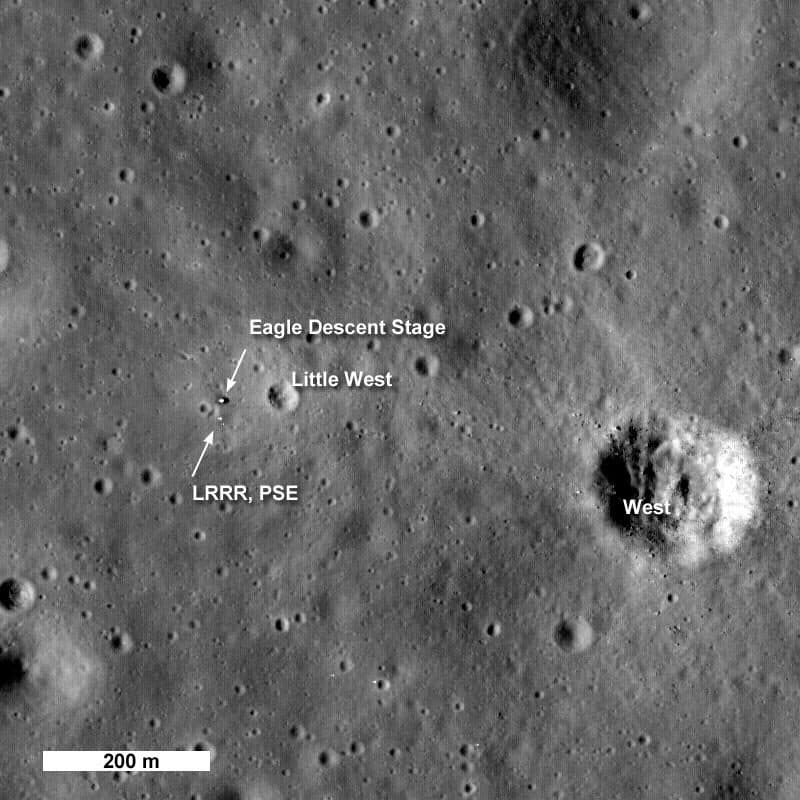
The descent stage stayed where it landed, with the commemorative plaque signed by President Richard M. Nixon and the three astronauts attached to it. NASA's Lunar Reconnaissance Orbiter has since photographed it at the landing site.