Meet InSight

Every part, up close

Turn it, pick a part to see what it did, pull the parts apart, or download it to print your own.

Drag to turn · pinch or scroll to zoom

Parts

Download

Model: InSight lander (arm deployed), NASA 3D Resources. The STL is exported from it for printing; most printers will need supports.

Listening to Mars

InSight's seismometer sat on the ground under a dome for four years. On 6 April 2019 it felt the first likely marsquake.

Illustration of a seismogram, not InSight data.
  • 1,319

    marsquakes

  • 6 Apr 2019

    first likely quake, sol 128

  • 5 m

    planned depth for the heat probe

  • ~40 cm

    how deep it got

Life’s work

They went where we couldn’t.

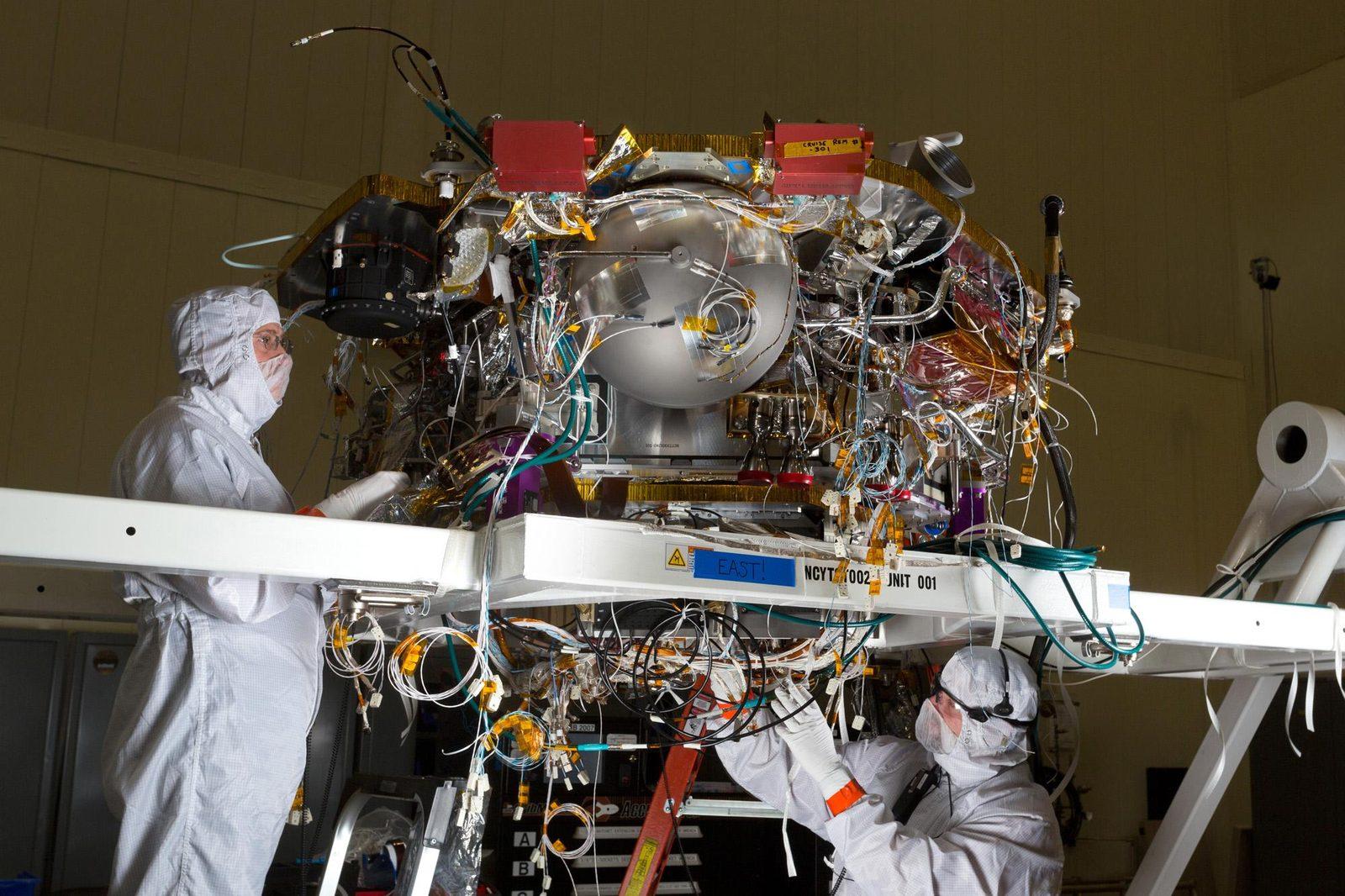
  1. The Mars lander that NASA's InSight mission will use for investigating how rocky planets formed and evolved is being assembled by Lockheed Martin Space Systems, Denver.No. 01

    Assembly

    2015

    Lockheed Martin specialists built the lander in a clean room in Denver.

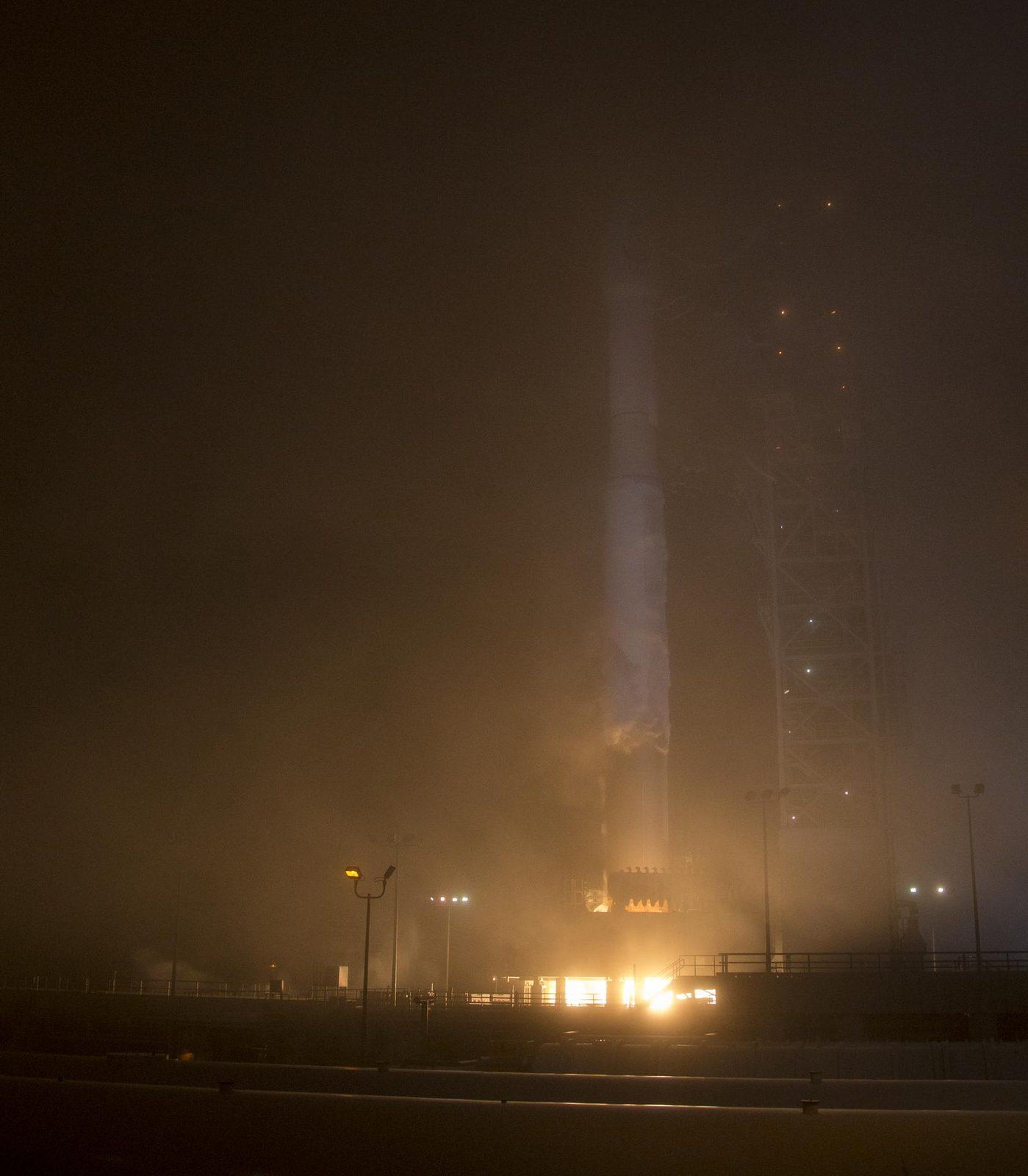
  2. The NASA InSight spacecraft launches onboard a United Launch Alliance Atlas-V rocket, Saturday, May 5, 2018, from Vandenberg Air Force Base in California.No. 02

    Liftoff

    5 May 2018

    An Atlas V launched InSight from Vandenberg Air Force Base in California.

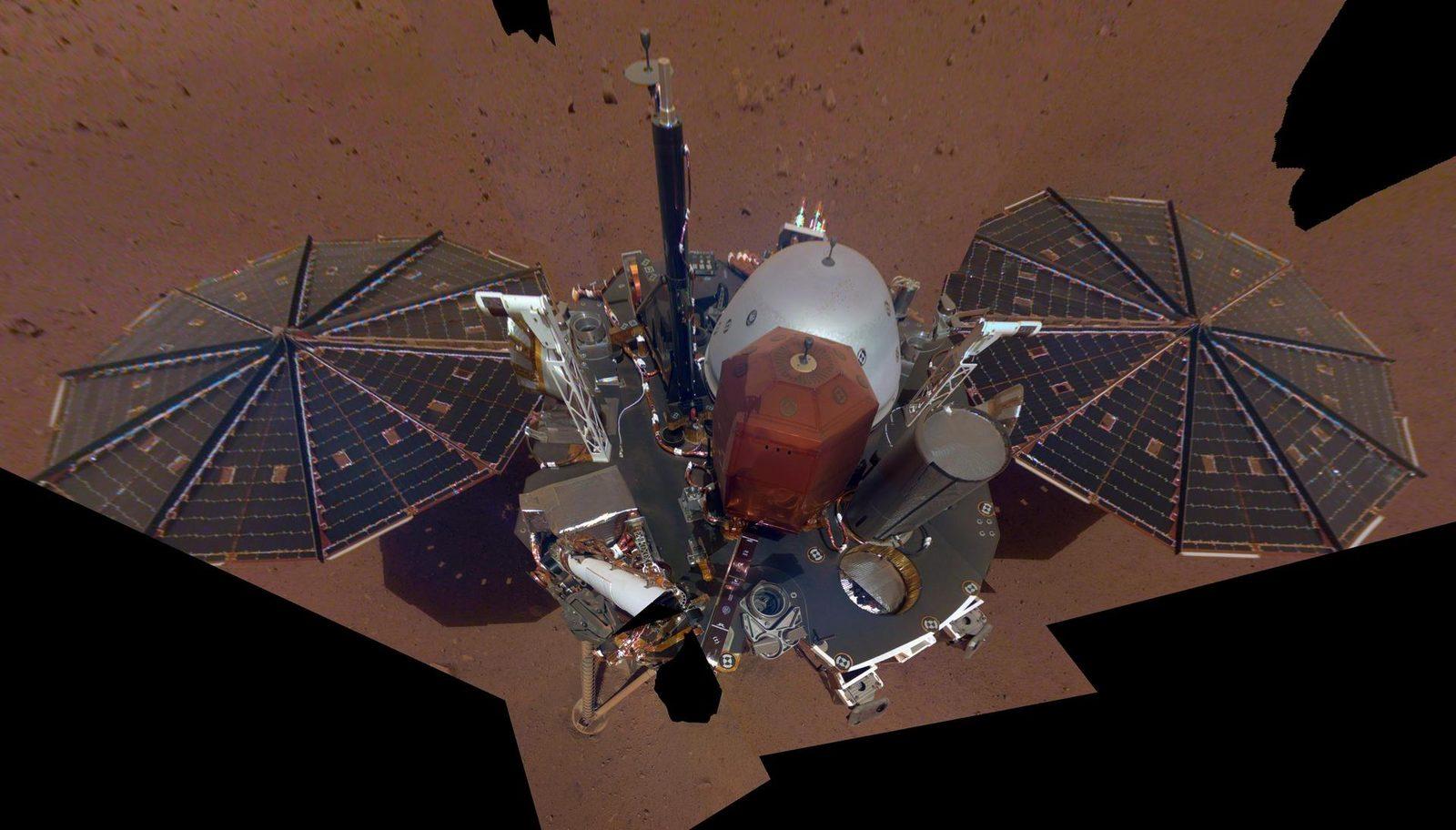
  3. This is NASA InSight's first full selfie on Mars.No. 03

    First selfie

    6 December 2018

    Ten days after landing, InSight photographed its own deck and solar panels.

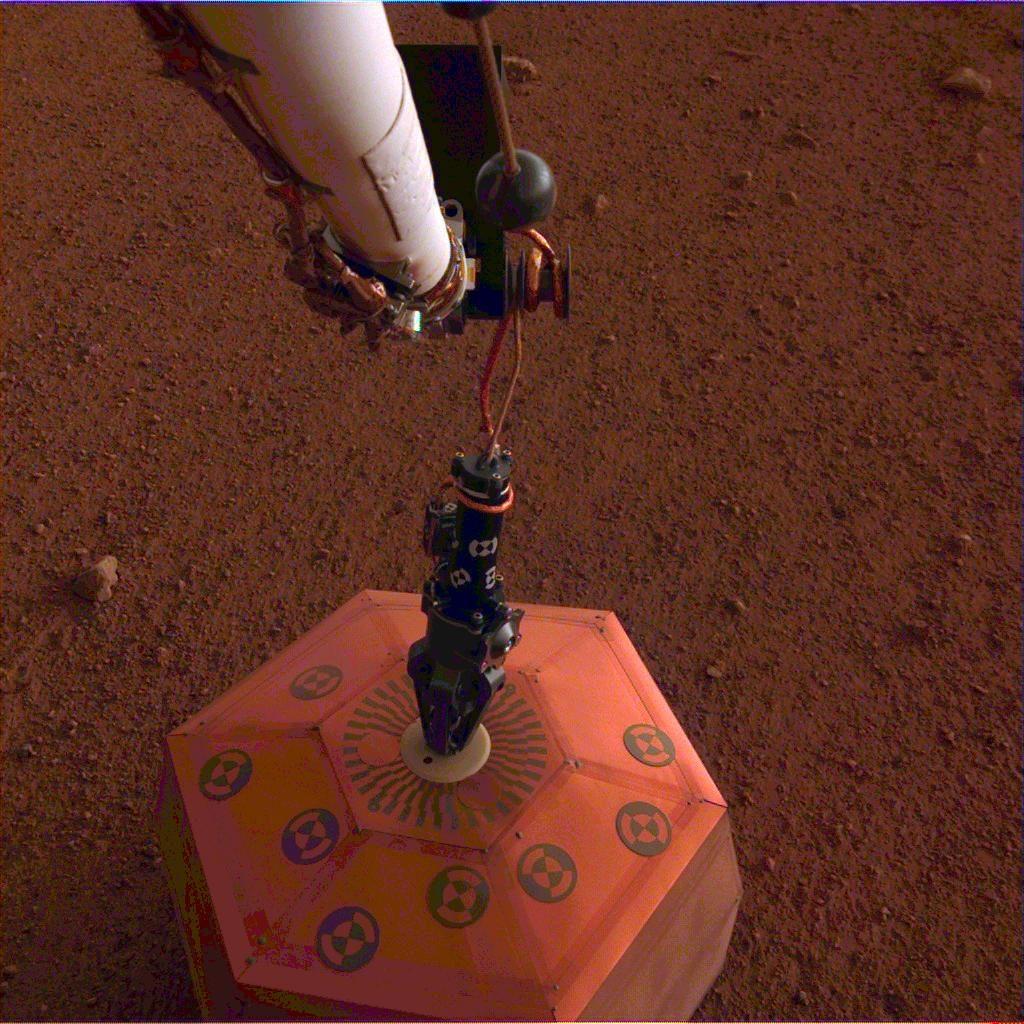
  4. NASA's InSight lander placed its seismometer onto Mars on Dec.No. 04

    Seismometer down

    December 2018

    The robotic arm set the seismometer on the Martian surface.

  5. This is NASA InSight's second full selfie on Mars.No. 05

    Dusty

    2019

    Its second selfie showed a thin coat of dust settling on the lander.

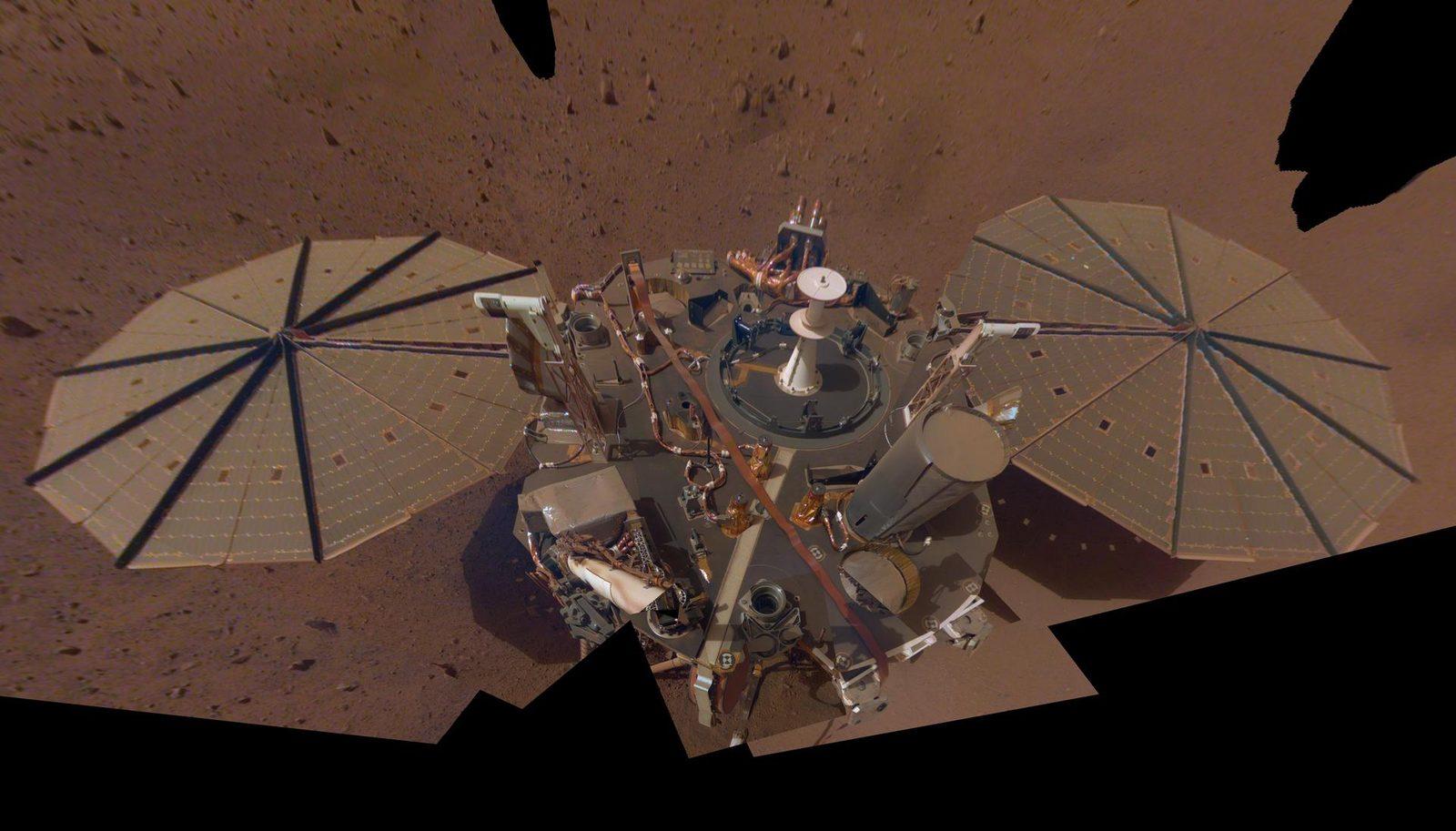
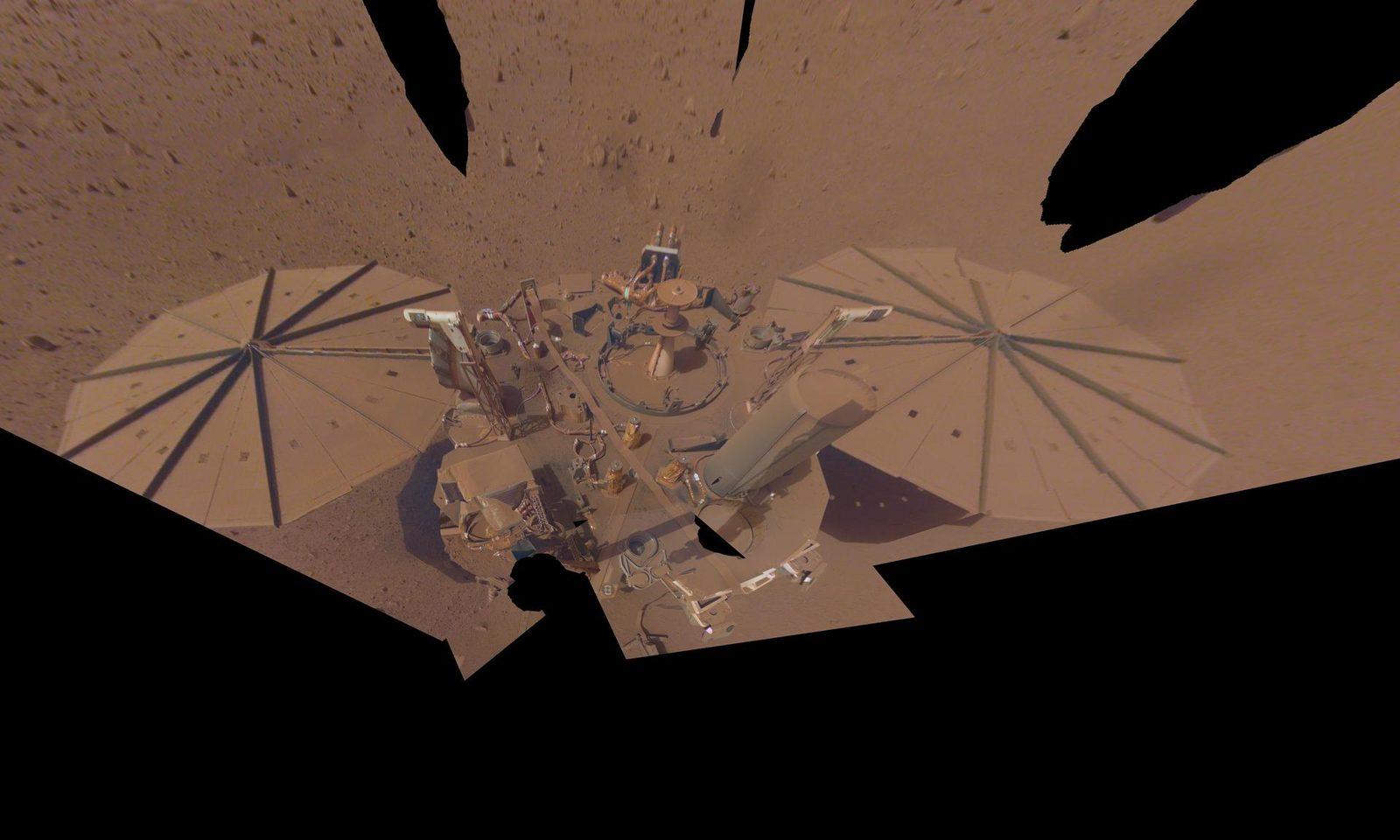
  6. NASA's InSight Mars lander took this final selfie on April 24, 2022, the 1,211th Martian day, or sol, of the mission.No. 06

    Final selfie

    24 April 2022

    Much dustier now, on its 1,211th Martian day.

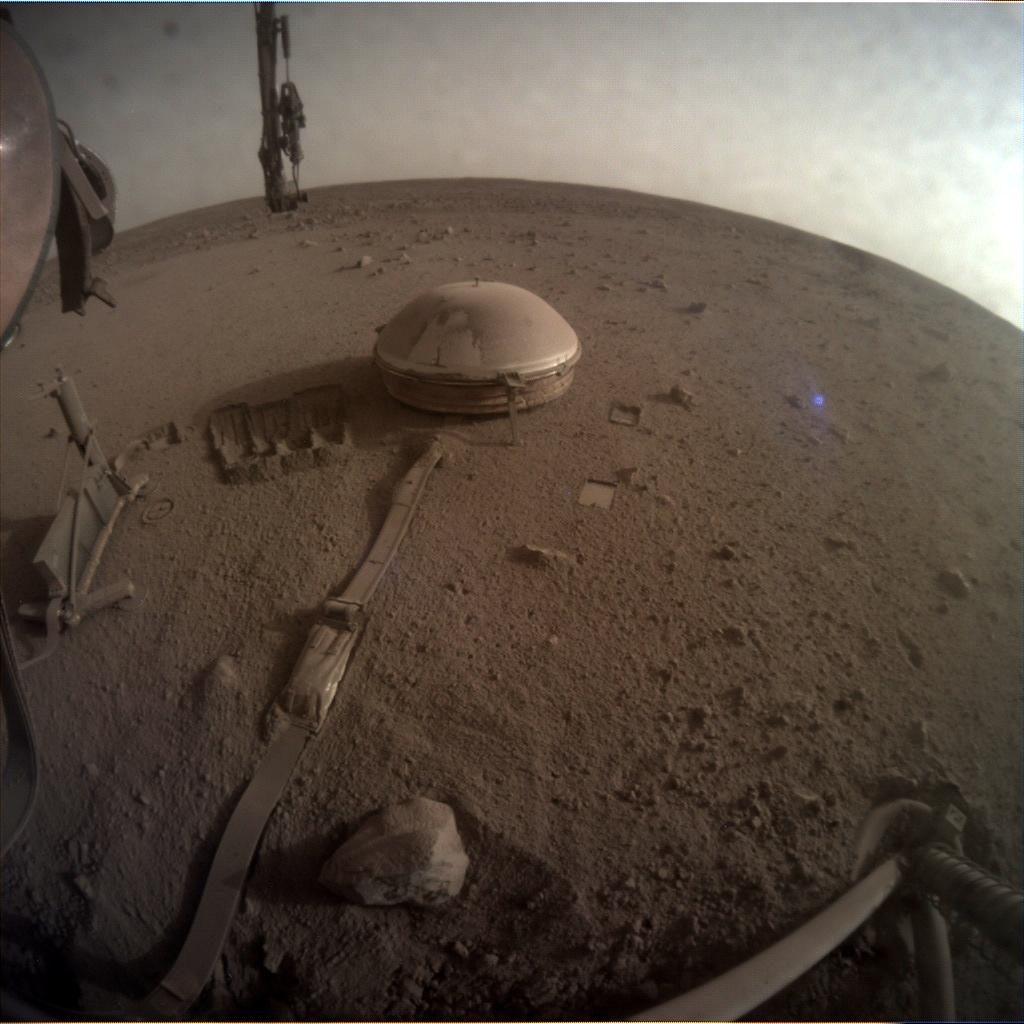
  7. This is one of the last images ever taken by NASA's InSight Mars lander.No. 07

    One of the last images

    11 December 2022

    Its seismometer on the surface, photographed on the 1,436th Martian day.

Born on Earth

Launch

The NASA InSight spacecraft launches onboard a United Launch Alliance Atlas-V rocket, Saturday, May 5, 2018, from Vandenberg Air Force Base in California.
InSight lifts off from Vandenberg, 5 May 2018 · NASA/Bill Ingalls

5 May 2018
Atlas V 401 · Vandenberg SLC-3E

Built by Lockheed Martin.

Arrival on Mars

Landing

This is NASA InSight's first full selfie on Mars.
InSight's First Selfie · NASA/JPL-Caltech

26 November 2018
Elysium Planitia · Powered descent

Dust blotted out the Sun

Last signal

15.12.2022

Dust slowly covered its solar panels. InSight last spoke to Earth on 15 December 2022, and the mission ended six days later.

Background: One of InSight's Last Images · NASA/JPL-Caltech

The full story

InSight, from start to finish

InSight was a NASA lander built to study the deep interior of Mars, taking the planet's "vital signs": its pulse, temperature and reflexes. It landed on Elysium Planitia in November 2018, recorded 1,319 marsquakes, and fell silent in December 2022 as dust covered its solar panels.

Why it was built

InSight, short for Interior Exploration using Seismic Investigations, Geodesy and Heat Transport, set out to learn how the rocky planets of the inner solar system formed by studying the inside of Mars: how active it is today and how often meteorites strike it.

It landed near the equator on the western side of Elysium Planitia, at about 4.5° N, 135.9° E, about 600 km from Curiosity's landing site. The flat, smooth plain was chosen for safety, because InSight's work was underground, not on the surface. The lander was built by Lockheed Martin on the design of NASA's Phoenix lander.

Listening to Mars

Its robotic arm, more than 1.8 m long, lifted a seismometer and a heat-flow probe off the deck and set them on the ground. The seismometer, SEIS, was provided by the French space agency CNES and placed on 19 December 2018; a dome-shaped Wind and Thermal Shield built by JPL protected it from wind and temperature swings.

On 6 April 2019, the 128th Martian day of the mission, SEIS recorded the first trembling that appeared to come from inside the planet. Mars has no tectonic plates; its quakes come from the planet slowly cooling and contracting until the crust breaks.

The mole

The heat probe, provided by the German Aerospace Center, had a self-hammering spike nicknamed "the mole" meant to dig 5 m down. Designed for loose, sandy soil, it could not get traction in the unexpectedly clumpy soil, and buried its 40 cm probe only just below the surface, still gathering useful data about the soil.

What it found

SEIS detected 1,319 marsquakes, including some caused by meteoroid impacts. InSight's data revealed details about the planet's interior layers, the surprisingly strong remains of its extinct magnetic field beneath the surface, and the weather at the landing site. It also recorded the low rumble of Martian wind.

Dust

Dust gradually built up on the solar panels and cut the lander's power. The team even used the arm's scoop to sprinkle dirt onto the panels on windy days, so falling grains would sweep dust away. InSight took its final selfie on 24 April 2022, far dustier than its first.

The seismometer was the last instrument left running. InSight last communicated with Earth on 15 December 2022. After it missed two consecutive contact attempts, NASA concluded its batteries had run out of energy and declared the mission over.

Fly along

Follow InSight's real path in NASA's Eyes on the Solar System, built from spacecraft navigation data.

NASA/JPL-Caltech · open full screen

Watch

Official films and footage from NASA, JPL and museum archives.

  • NASA Lands InSight on Mars

    NASA Jet Propulsion Laboratory · watch on YouTube

  • Listen to NASA's InSight at Work on Mars

    NASA Jet Propulsion Laboratory · watch on YouTube

  • Mission Control Live: NASA InSight Mars Landing

    NASA Jet Propulsion Laboratory · watch on YouTube

In the news

Articles, image releases and history pieces from NASA.

Tribute wall

Saved on this device for now. A shared wall is coming.

  • No tributes yet. Be the first to say goodbye to InSight.

Explore further

Official mission pages, catalogues, photo archives and 3D files.

AI-narrated documentary

InSight: in its own words

Coming soonAI-made

Coming later

An AI-narrated documentary

We have not made it yet. When it is ready it will be told in the first person by an AI voice, built only from the mission records above, and clearly labelled as AI-made.

Sources

Resting on Mars. Photos are from NASA's public archives and credited individually; anything marked AI-generated is not a real photo. The 3D model is NASA's own. Videos play from their publishers' YouTube channels. NASA does not endorse this site.