Chapter 3 of 5

Lower and sharper

Primary and extended science phases at lower altitude

Told in GRAIL’s imagined voice · the events are real · source
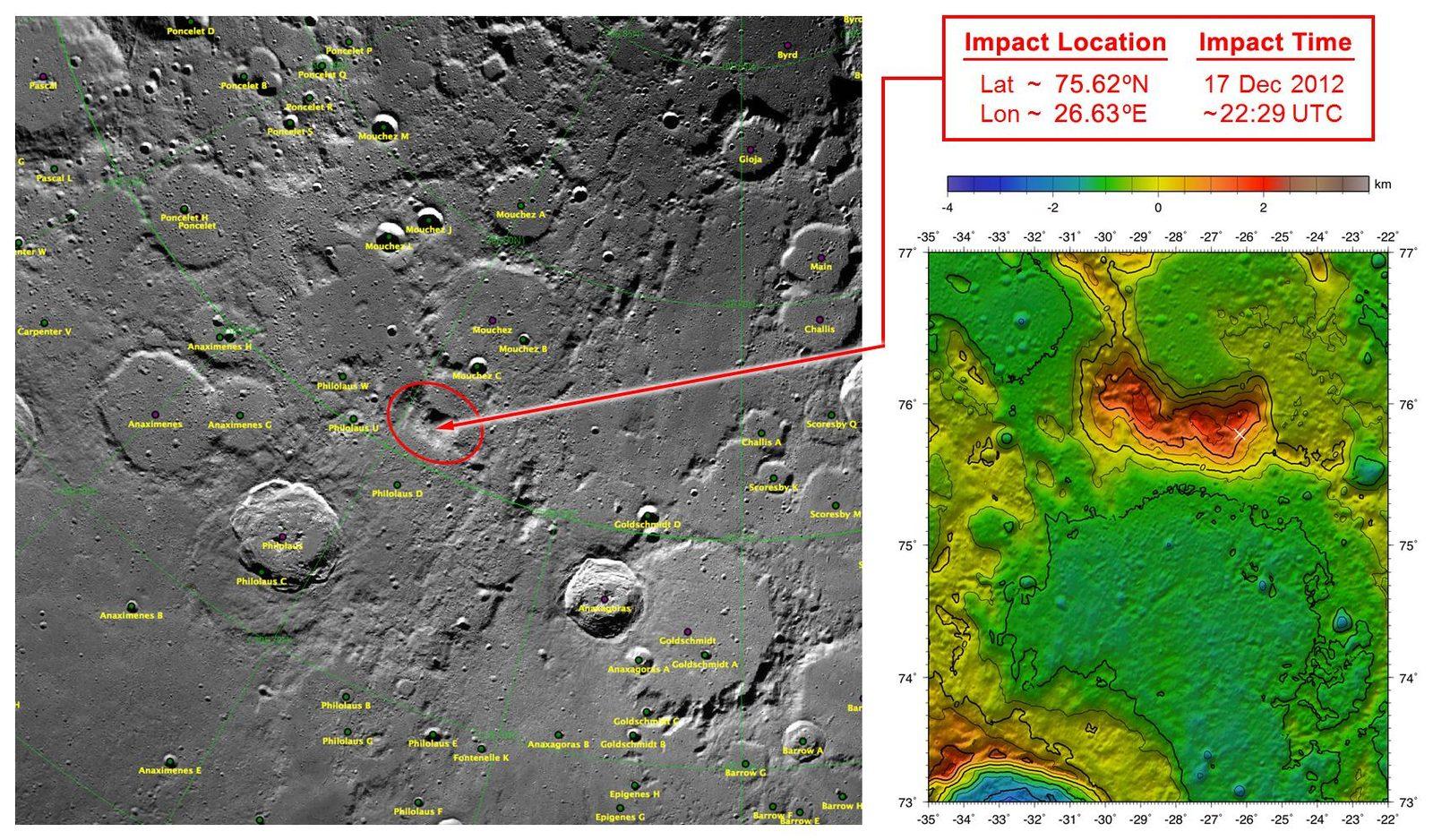
These maps of Earth moon highlight the region where the twin spacecraft of NASA Gravity Recovery and Interior Laboratory GRAIL mission will impact on Dec.
GRAILOur first science season lasted about three months.
NASA/GSFC
01NASA Science dates the primary science phase from March 7 to May 29, 2012. During that season we kept our tandem formation and accumulated the measurements that became the gravity map.
Then we were asked to fly closer.
02For the extended mission, the team lowered our orbits. Flying nearer the Moon lets small gravity signals stand out more clearly, but it also means the Moon’s lumpy pull matters more on every loop.
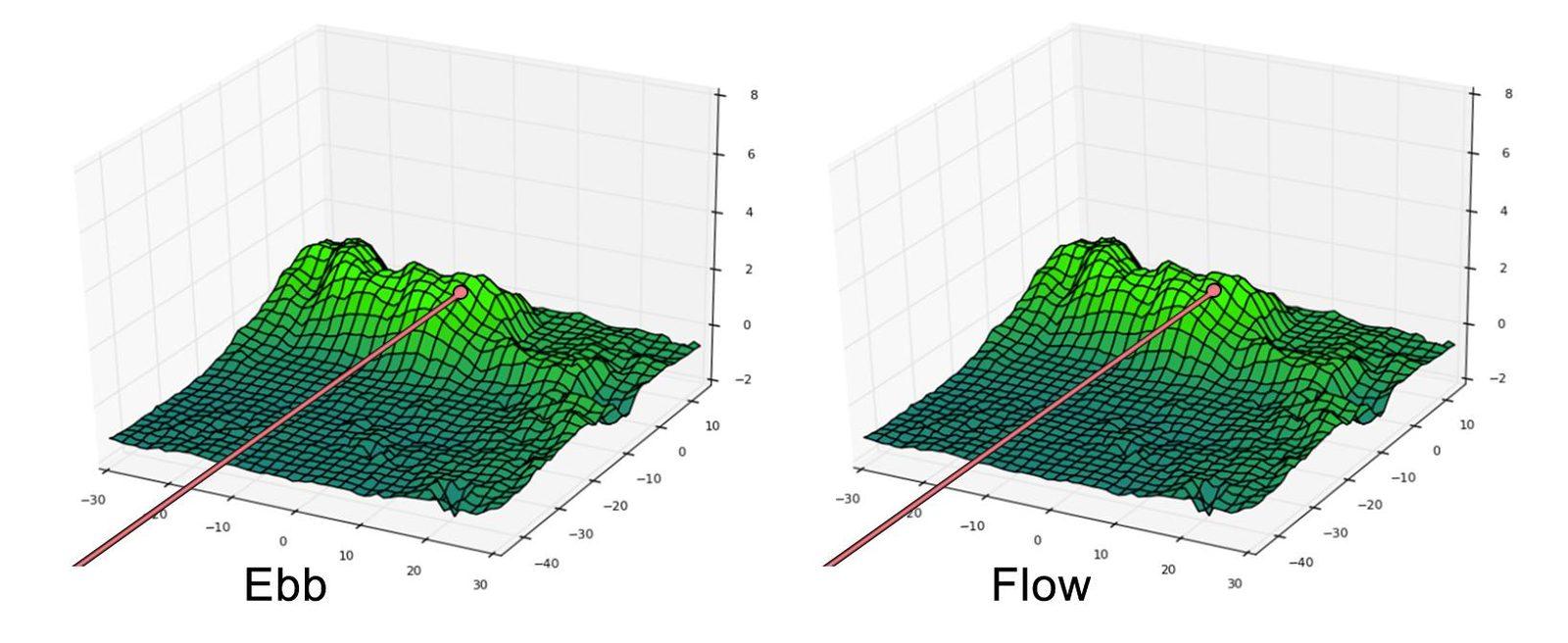
These side-by-side, 3-D comparisons depict the unnamed lunar mountain targeted by the NASA Gravity Recovery and Interior Laboratory GRAIL mission for controlled impact of the Ebb and Flow spacecraft.
GRAILCloser meant sharper detail.
NASA/JPL-Caltech/MIT/GSFC
03A lower pass can reveal finer features than a higher pass, because gravity signals from small buried structures fade faster with altitude. The trade-off was more careful flying for a longer time.
Nine months built the map.
04Across both science phases, our paired measurements produced the highest-resolution gravity map of any celestial body to date. The map was the science product — the spacecraft themselves were always the measuring tool.

The big idea

Lower orbits can sharpen gravity measurements, but only if the spacecraft can keep flying safely in the Moon’s uneven pull.

Think about it

Why does flying closer to a world sharpen the map of what is hidden below?

Fact file

Primary science phase
7 March – 29 May 2012
NASA Science date table; the draft’s March 1 boundary is not used.
Source ↗
Second science phase
Began 8 August 2012
NASA Science says the extended-mission second phase was initiated then; the draft’s August 30 boundary is not used.
Source ↗

In this chapter: Lunar orbit insertion burns, lower polar orbits and sustained tandem ranging

Sources: Main record · GRAIL-A (Ebb) · NSSDCA · GRAIL Lunar Impact Site Named for Astronaut Sally Ride · NASA Science

Machine illustration: AI-made. Photos: NASA Image and Video Library, credited on each picture.

Chapter 3 of 5

Next