Chapter 3 of 5

The fatal latch

Leg-deployment signals, missing software handling and premature engine cutoff

Told in Mars Polar Lander’s imagined voice · the events are real · source
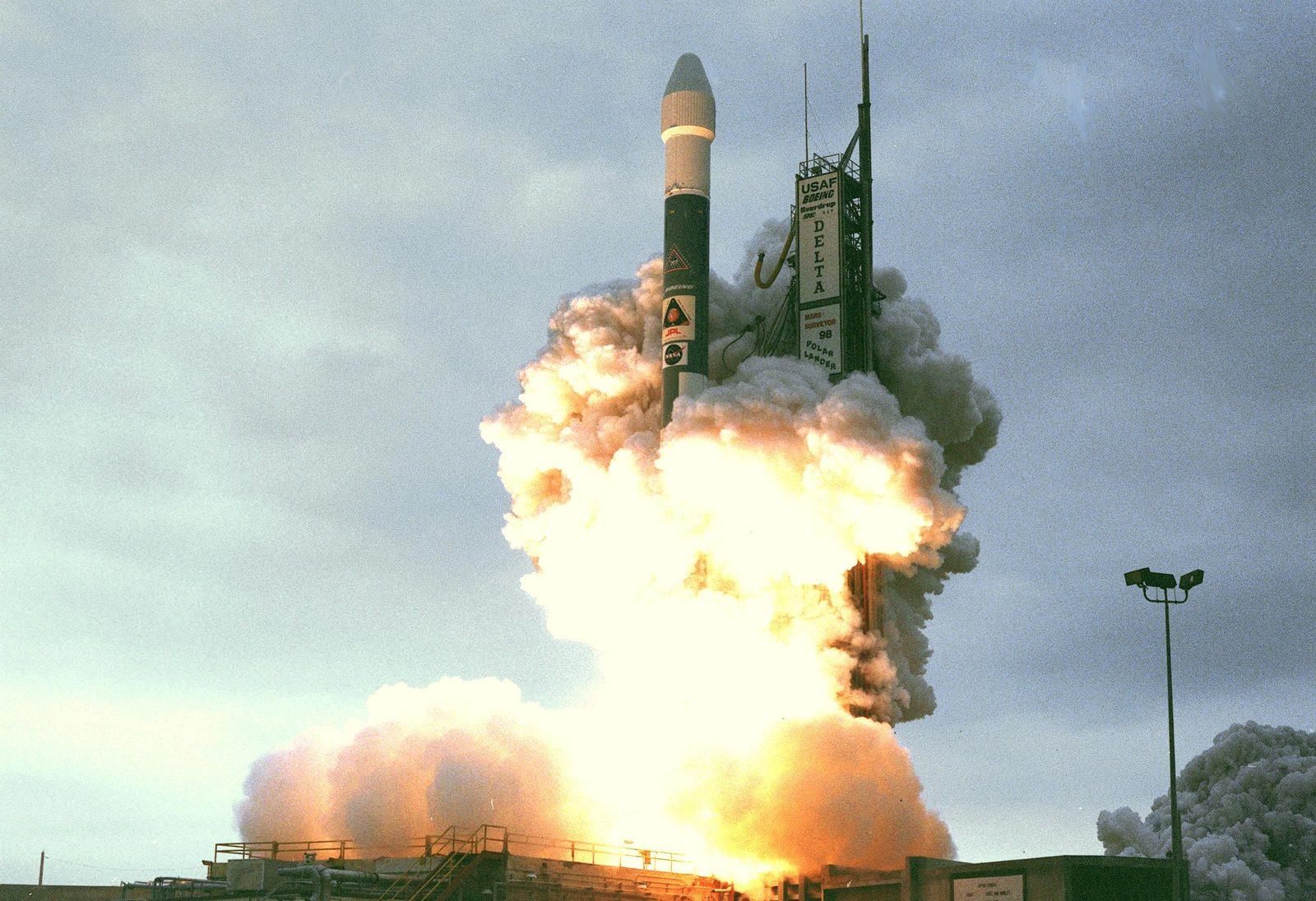
KENNEDY SPACE CENTER, FLA.
Mars Polar LanderMy entry had no live radio voice.
NASA/KSC
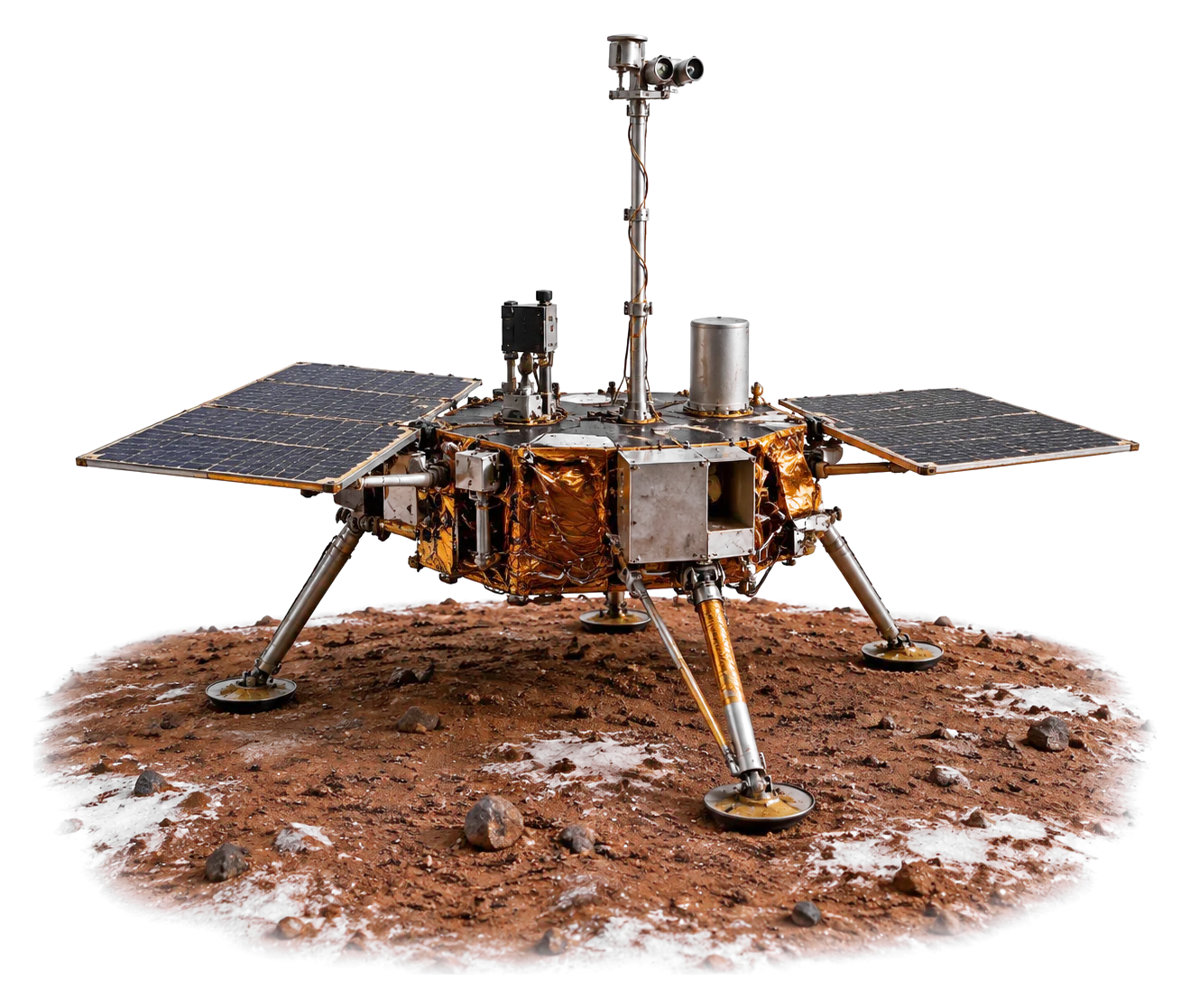
01I entered the atmosphere directly at about 6.8 kilometres per second. The heat shield slowed me, the parachute opened, the heat shield was dropped, and the landing legs deployed before the powered descent. During this whole sequence, Earth received no live descent telemetry.
My legs spoke before we landed.
02Each landing leg carried a touchdown sensor. When the legs unfolded in the air, the mechanical motion could briefly trip those sensors — a false momentary signal that the ground had already been touched.
Mars Polar Lander: The Search Begins
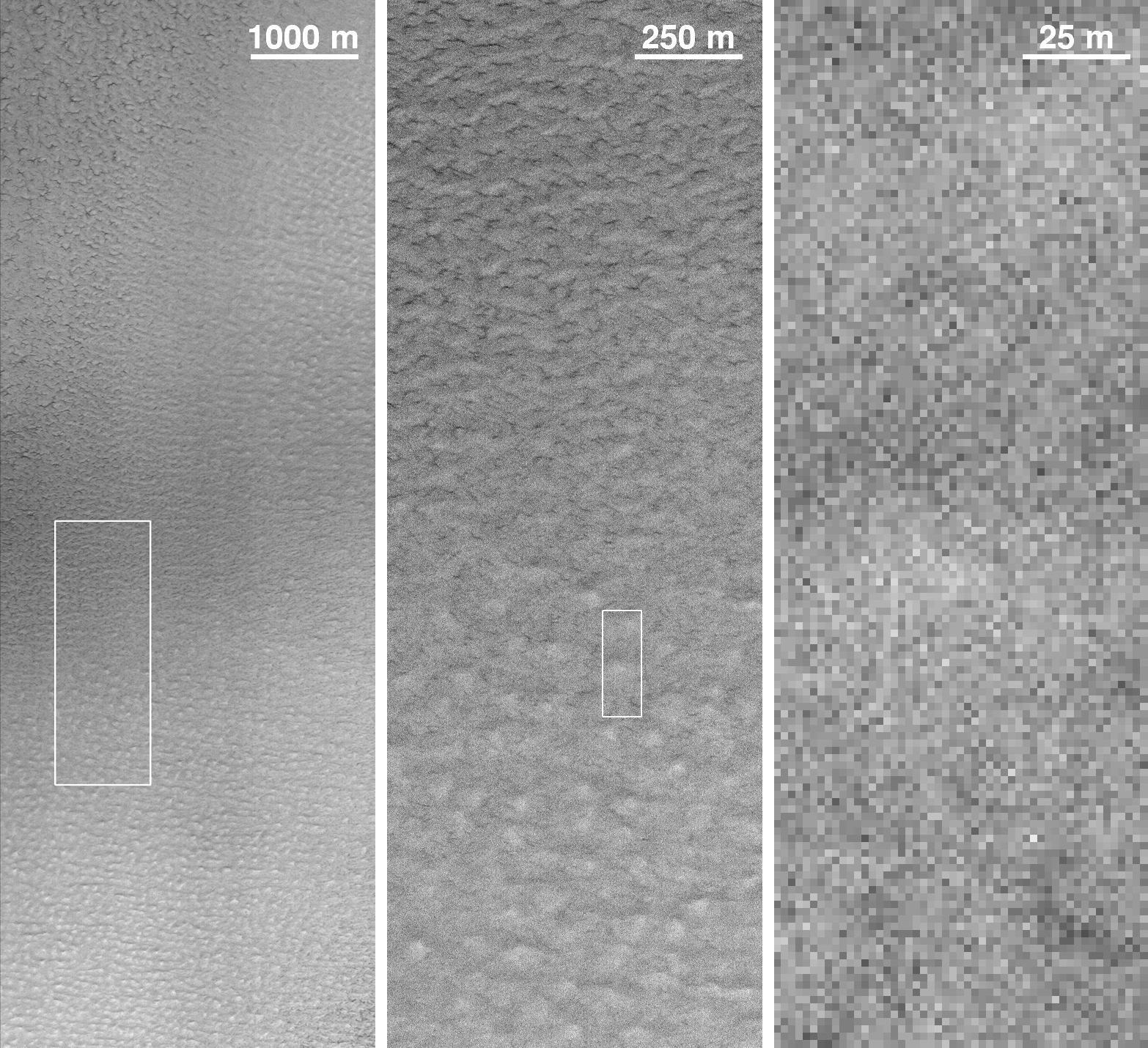
Mars Polar LanderThe software remembered the wrong moment.
NASA/JPL/MSSS
03The review found that this leg-deployment transient was not properly accounted for before the touchdown check. Later, when radar control ended and the computer trusted the leg-sensor state, it could read an old landed signal as if touchdown had already happened.
The engines stopped in the air.
04With the false landed state latched, the descent engines could shut down before the lander reached the ground. The spacecraft then fell unpowered to the surface. The investigation concluded that a false signal indicating landing shut down the main engines and caused the crash.

The big idea

Software must distinguish a deployment transient from real contact — and high-risk descents need live telemetry to reveal hidden states.

Think about it

Why can a sensor be correct in hardware yet wrong in timing?

Fact file

Descent engines
Three groups of four 266 N engines
NSSDCA profile; 12 engines total.
Source ↗
Entry speed
6.8 km/s
NSSDCA mission profile for direct atmospheric entry.
Source ↗
Investigation finding
False landed signal shut engines down
NASA mission page summarizes the investigation; the story does not reproduce an exact second-by-second reconstruction.
Source ↗

In this chapter: Landing-leg touchdown sensors, flight software, radar altimeter and pulsed descent engines

Sources: Main record · Probable Scenario for Mars Polar Lander Mission Loss · NASA LLIS · Mars Polar Lander · NSSDCA

Machine illustration: AI-made. Photos: NASA Image and Video Library, credited on each picture.

Chapter 3 of 5

Next