Chapter 3 of 5

Tasting the water

Soil delivery problems and the TEGA water identification

Told in Phoenix’s imagined voice · the events are real · source
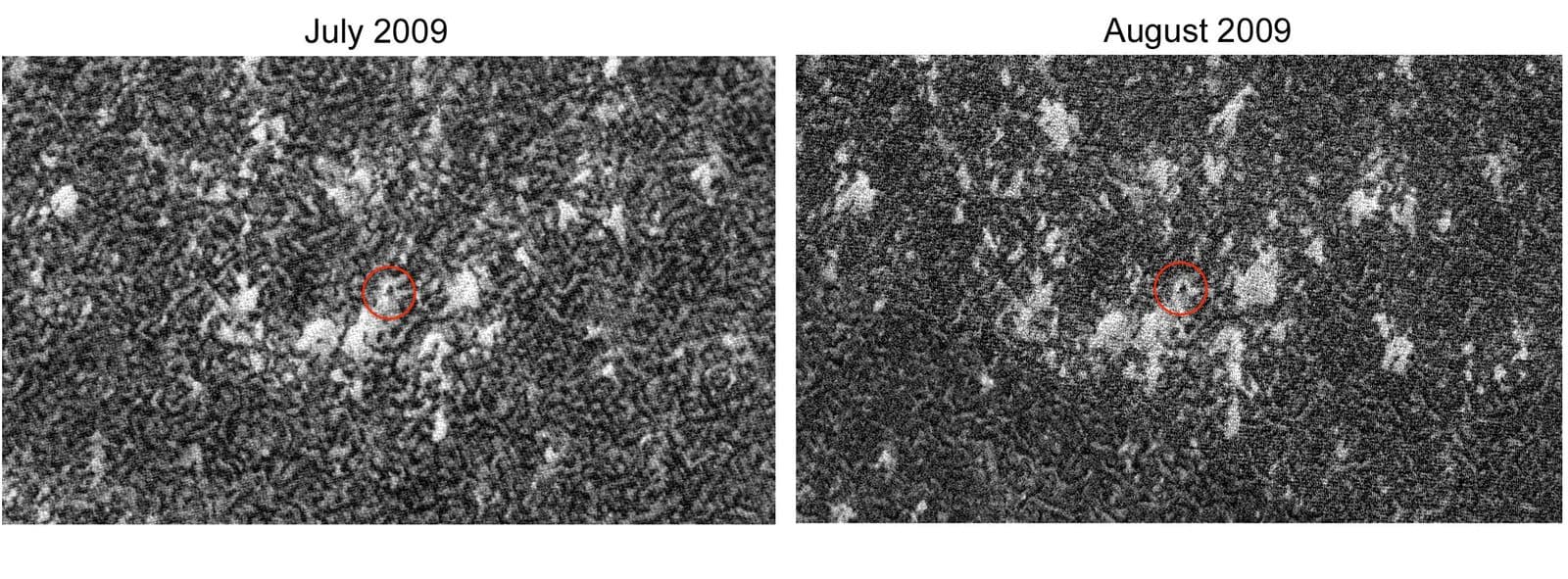
This is one of two images taken nearly a decade apart of NASA's Mars Phoenix Lander and related hardware around the mission's May 25, 2008, landing site on far-northern Mars.
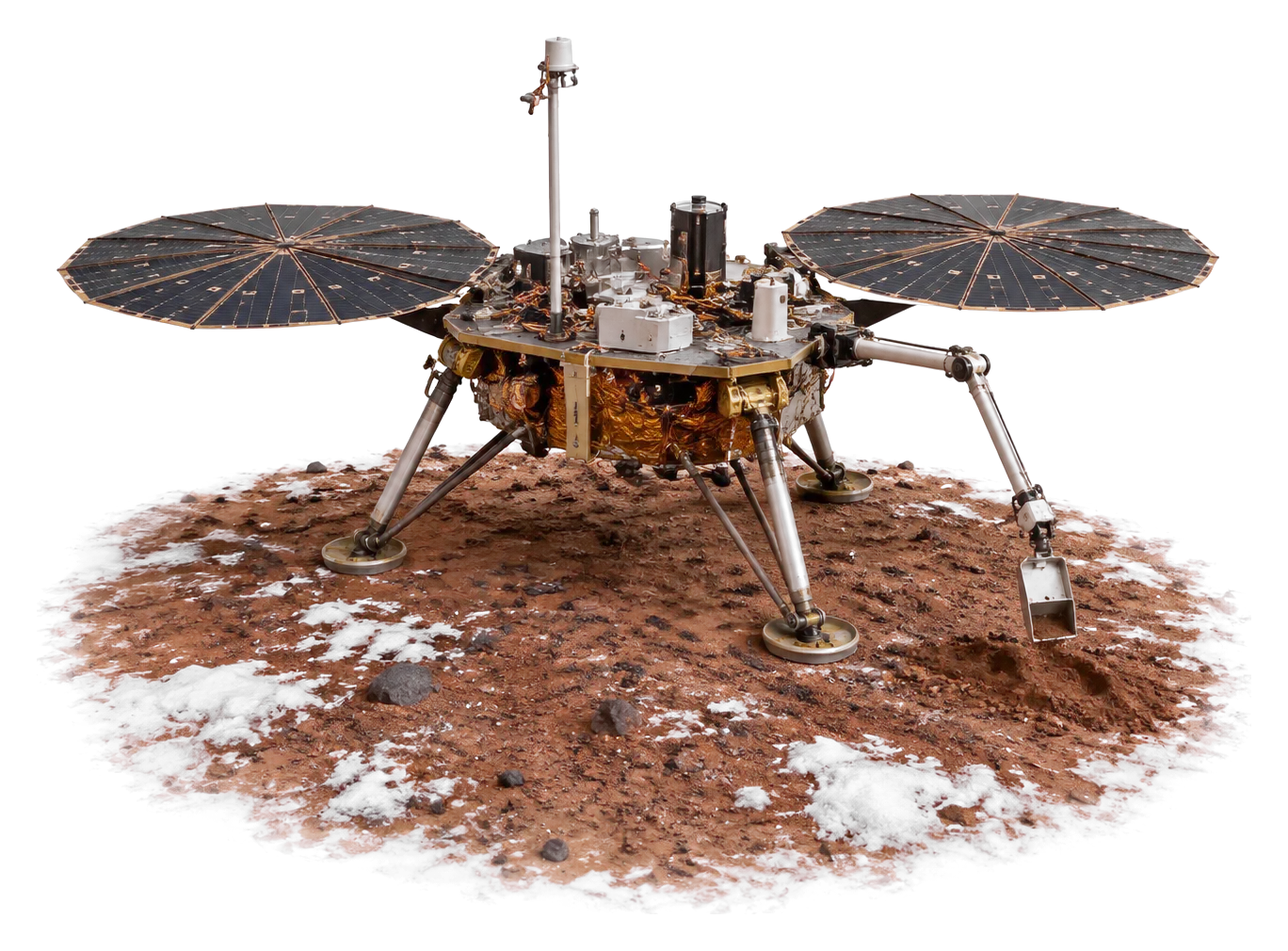
PhoenixMy ovens were tiny and single-use.
NASA/JPL-Caltech
01TEGA had small ovens that could heat a soil sample once and measure the gases released. A failed delivery was not just disappointing — it used up a precious chance to learn what was in the soil.
Some soil did not want to fall in.
02Clumpy soil could sit on the oven screen instead of dropping through. NASA’s July release also describes icy samples sticking in the scoop when the arm moved into sunlight. The team adjusted its handling instead of forcing every delivery the same way.
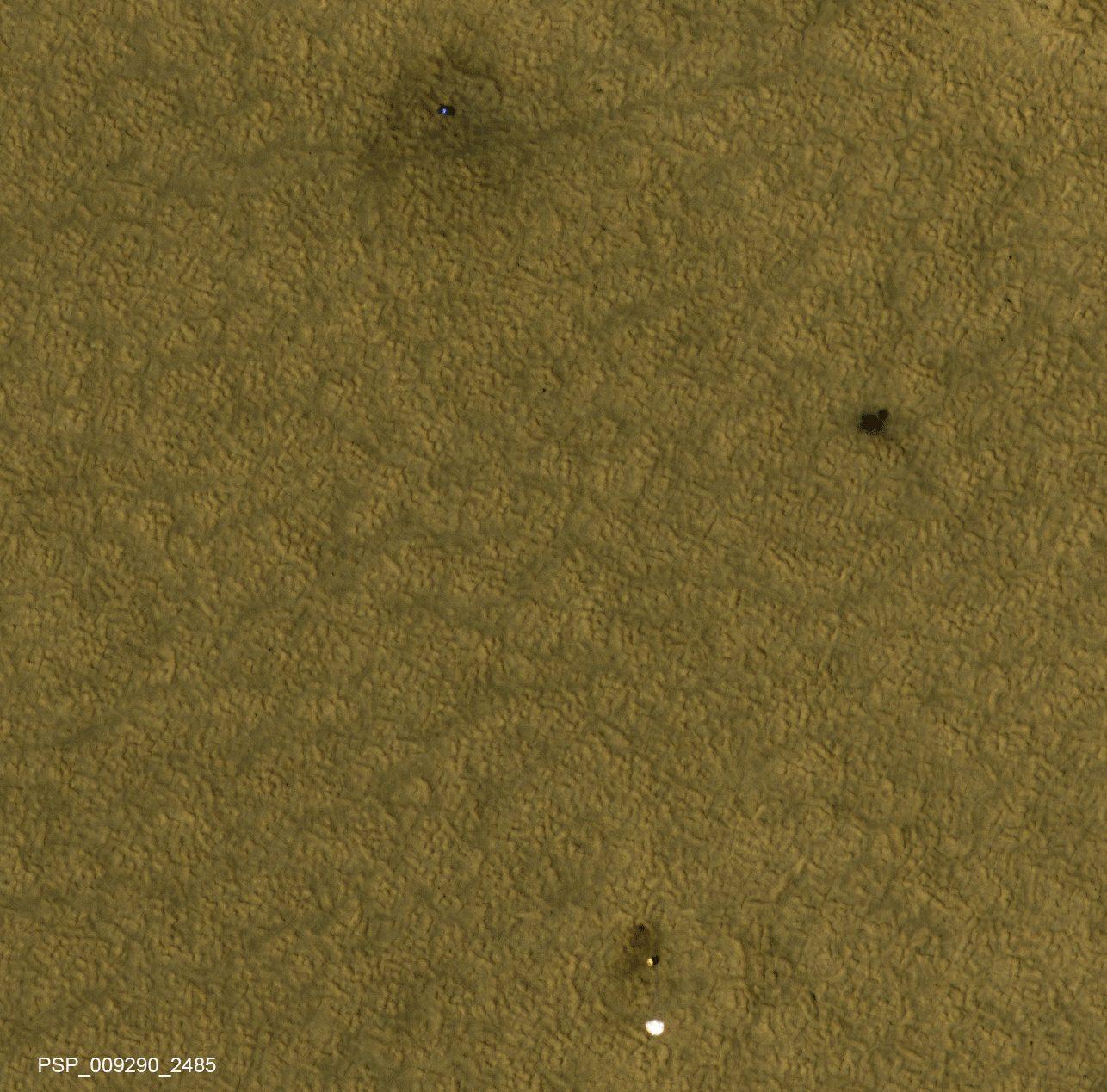
The High Resolution Imaging Science Experiment camera on NASA Mars Reconnaissance Orbiter captured winter images of NASA Phoenix Mars Lander surrounded by dry-ice frost on Mars.
PhoenixA trench sample finally got into an oven.
NASA/JPL-Caltech/University of Arizona
03A sample from a trench about two inches deep reached TEGA, and heating released water vapor that the instrument identified. The result matched earlier orbital and trench clues, but now it came from a laboratory measurement on the surface.
The mission earned more time.
04NASA called the water result a confirmation and extended operations through September 30. The original three-month mission had already done what it was built to do: find and identify water ice near the northern surface.

The big idea

Delivery technique matters: even a perfect instrument needs a sample that actually reaches it.

Think about it

Why is getting soil into an oven sometimes harder than heating it?

Fact file

Water confirmation
31 July 2008
NASA press release reports laboratory identification of water in a TEGA soil sample.
Source ↗
Sample depth
About 2 inches (5 cm)
The July release describes the trench sample as approximately 2 inches deep.
Source ↗

In this chapter: TEGA single-use ovens, mass spectrometer, vibrating screen and robotic arm scoop

Sources: Main record · Phoenix Mars Lander · NSSDCA · Mars Phoenix · NASA Science

Machine illustration: AI-made. Photos: NASA Image and Video Library, credited on each picture.

Chapter 3 of 5

Next