Chapter 2 of 5
Six Rangers before me
The Ranger 6 television failure and the changes made before Ranger 7
Told in Ranger 7’s imagined voice · the events are real · source
The big idea
When a failure has more than one possible cause, engineers may fix several weak points at once and then test the whole system in flight.
Think about it
Why might a team add several safeguards when it cannot prove which one caused a failure?
Fact file
- Ranger 6 mission
- Launched 30 January 1964 · impacted 2 February 1964
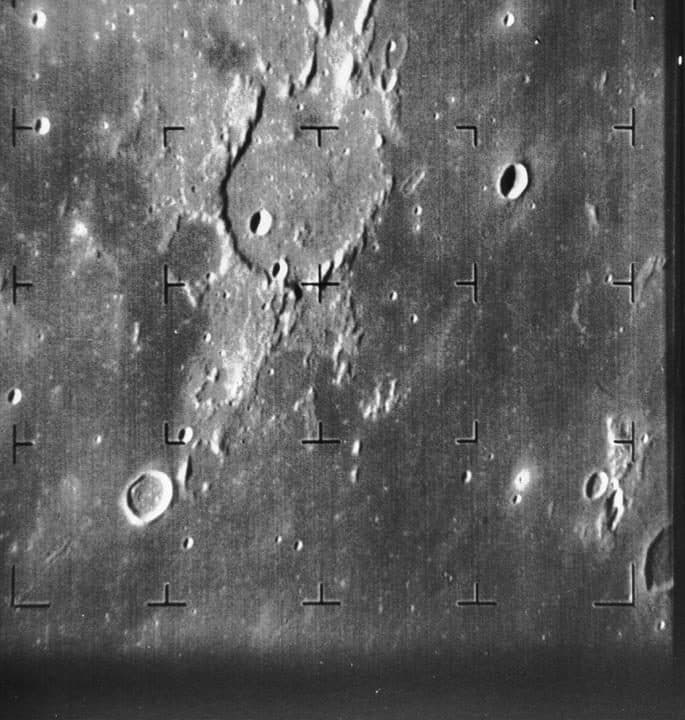
- Ranger 6 reached the Moon on target. Its television system returned no pictures.
- Source ↗
- Television turn-on
- 67 seconds during ascent
- Telemetry showed the TV system switching on about two minutes after launch, then switching off again. Investigators focused on that period.
- Source ↗
- Cause
- Never definitively established
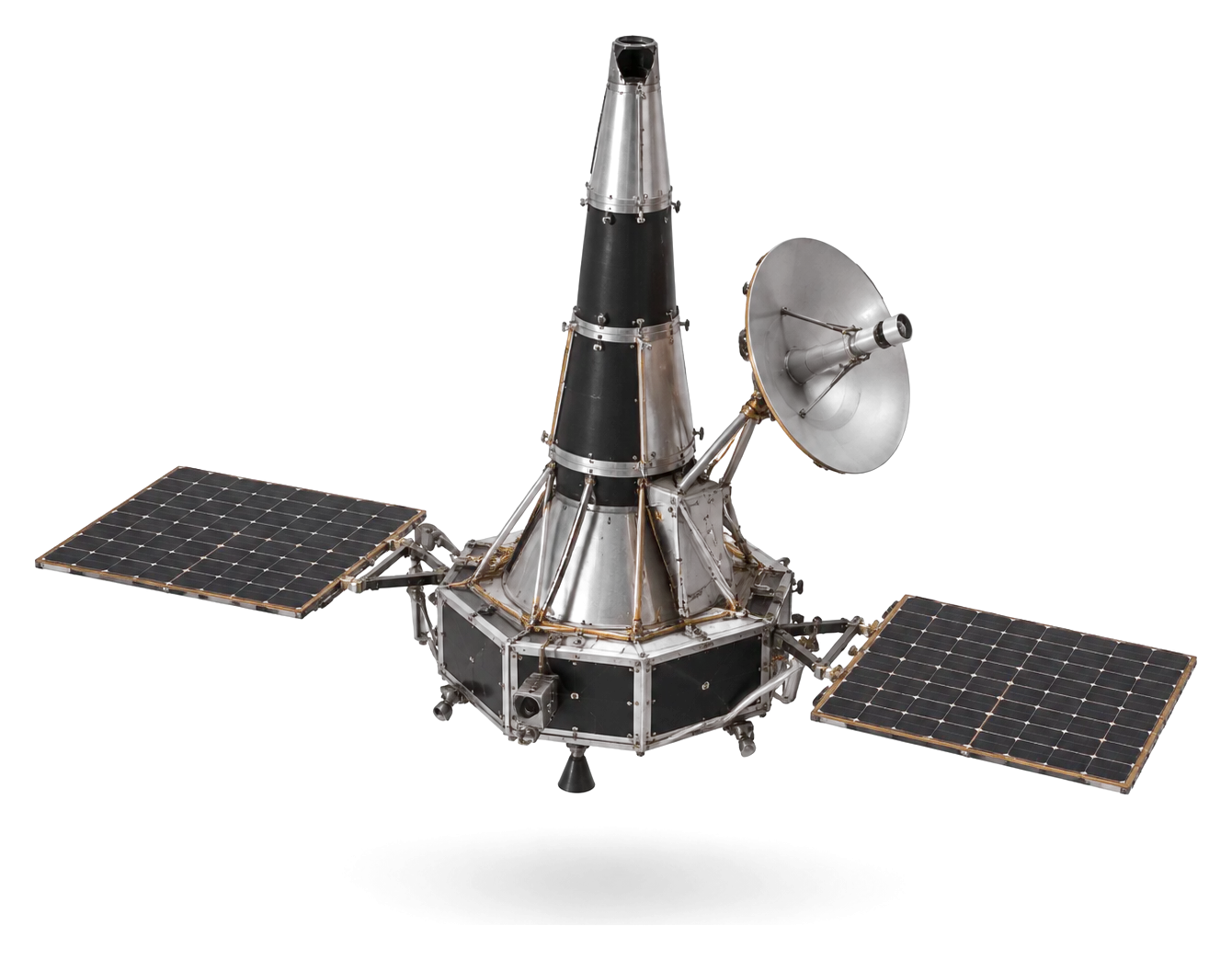
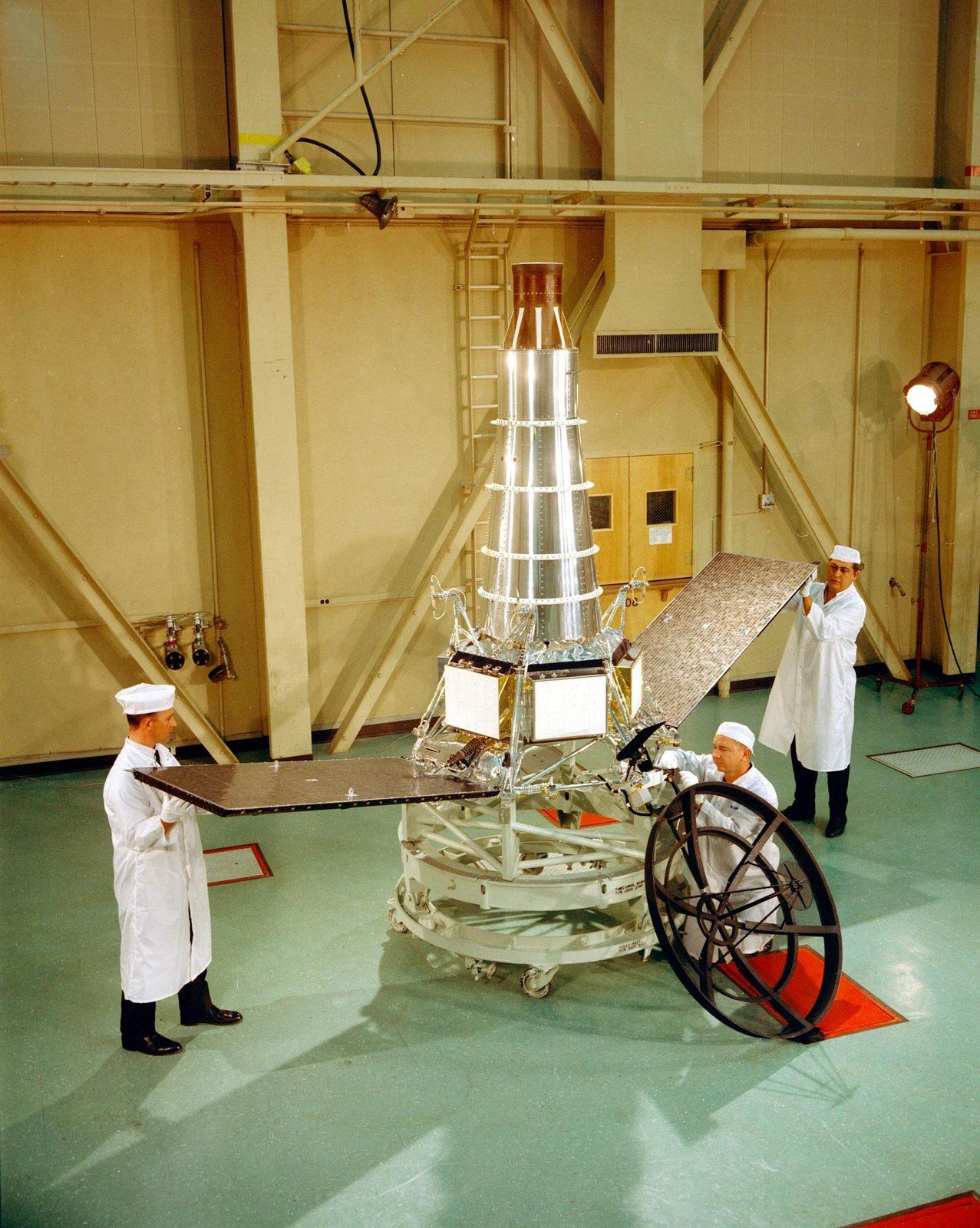
- JPL's board found that arcing in the thin upper atmosphere damaged the high-voltage supplies, but could not agree on the precise trigger. It recommended several safeguards rather than one single fix.
- Source ↗
- Earlier Ranger outcomes
- Block I: 2 Earth-orbit failures · Block II: 3 lunar failures · Ranger 6: no pictures
- NASA describes Ranger 7 as the first success after 13 failed U.S. Moon attempts. The Ranger program itself had different blocks and different failure modes.
- Source ↗
In this chapter: Television power supply, command circuitry and the Agena umbilical connector
Sources: Main record · NASA History · Lunar Impact (NASA SP-4210) · NSSDCA · Ranger 7 television experiment · NASA History · 60 Years Ago: Ranger 7 Photographs the Moon
Machine illustration: AI-made. Photos: NASA Image and Video Library, credited on each picture.