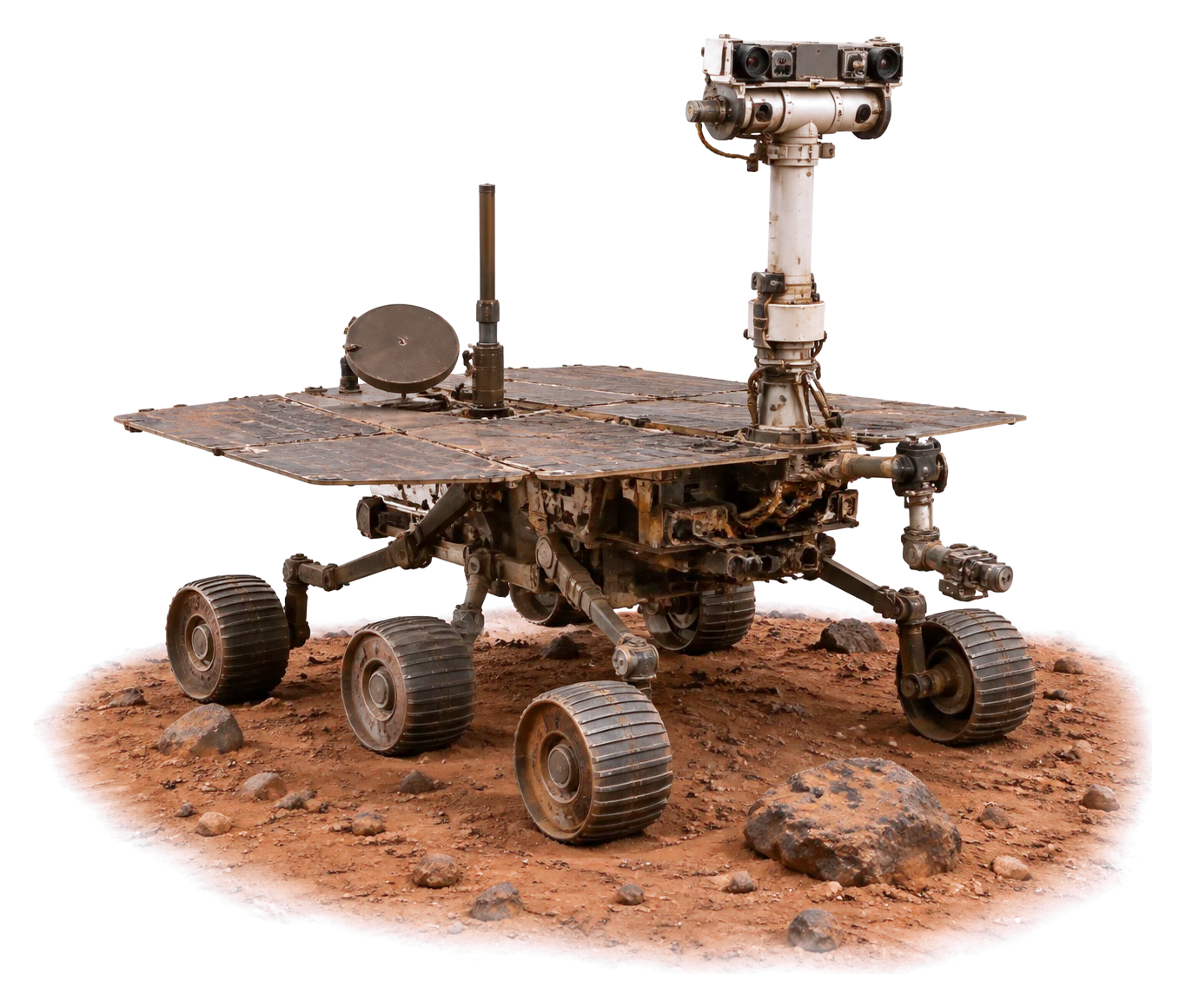
Chapter 2 of 5

A fresh start

The January–February 2004 flash-memory recovery

Told in Spirit’s imagined voice · the events are real · source
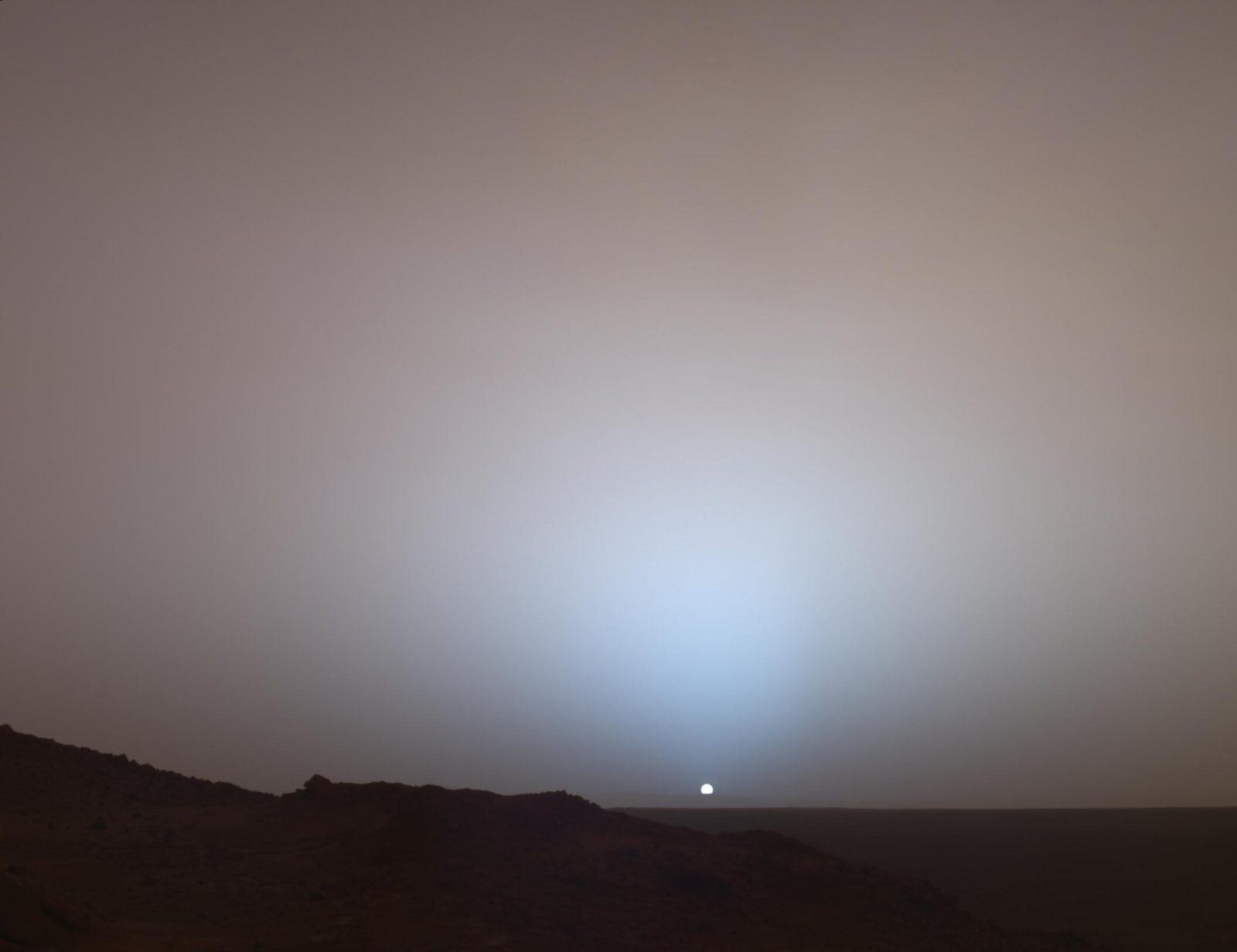
On May 19th, 2005, NASA Mars Exploration Rover Spirit captured this stunning view as the Sun sank below the rim of Gusev crater on Mars.
SpiritBefore my first rock grinding, my computer needed help.
NASA/JPL/Texas A&M/Cornell
01In January 2004, communication and memory problems interrupted my work. My software had difficulty managing flash storage—the kind of memory that keeps files when power is off. Repeated restarts kept interrupting normal operations.
Restarting did not clear the files that were causing trouble.
02Thousands of files had accumulated, including many left over from my flight to Mars. The February 1 recovery report describes my computer resetting about once an hour. The team needed another way to operate me while investigating the storage problem.
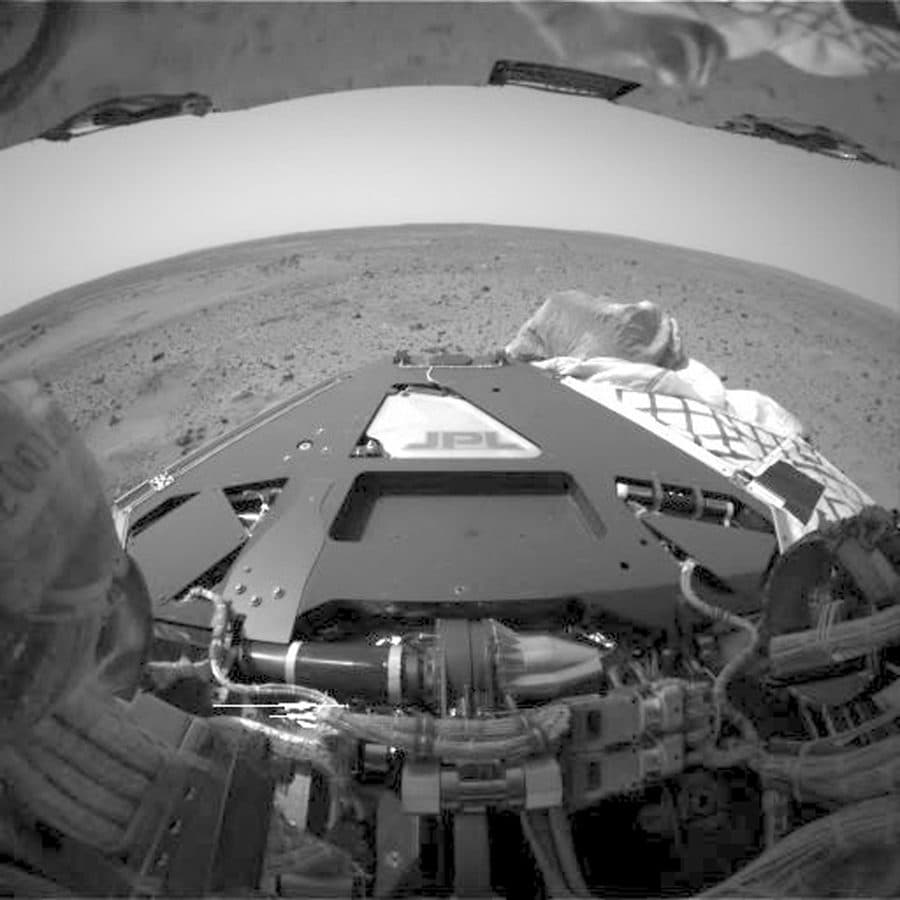
This frame from an animation flips back and forth between images taken before and after deployment of the Mars Exploration Rover Spirit's bogie, a part of the rover's suspension system that extends the wheel base.
SpiritMy engineers found a way around the problem.
NASA/JPL-Caltech
03Commands from Earth put me into a temporary operating mode that avoided flash memory. It gave the team a way to work while they deleted unnecessary files. Nobody had to deliver a replacement computer to Mars.
A clean start let the rock investigation continue.
04By February 1, normal boot was stable again. The February 5 report confirmed that reformatting had succeeded the previous day, as a precaution against recurrence. Next came brushing and grinding Adirondack—not a promise that I would never have another memory problem.

The big idea

A restart does not remove a persistent storage problem. Recovery modes let engineers investigate and repair a system remotely.

Think about it

What changes when a computer starts without using the troublesome storage?

Fact file

Trouble began
January 2004
The mission summary dates loss of contact to January 21; the February 5 status report dates interference to January 22. These reports describe the same recovery period.
Source ↗
Stable normal boot reported
1 February 2004
After deletion of thousands of files, including files left from cruise.
Source ↗
Reformat confirmed
5 February report: completed the previous Wednesday
That is February 4, 2004; reformatting followed restored normal boot.
Source ↗

In this chapter: Onboard computer, flash storage, alternate operating mode and radio commands

Sources: Main record · Mars Exploration Rover Mission Status · February 5, 2004 · Spirit · NASA Science

Machine illustration: AI-made. Photos: NASA Image and Video Library, credited on each picture.

Chapter 2 of 5

Next